BMW Zagato Coupé One-Off (2012)
Discover BMW Zagato Coupé One-Off (2012) history, specifications and rarity, with sourced details, FAQs and authentic photographs with visible credits.
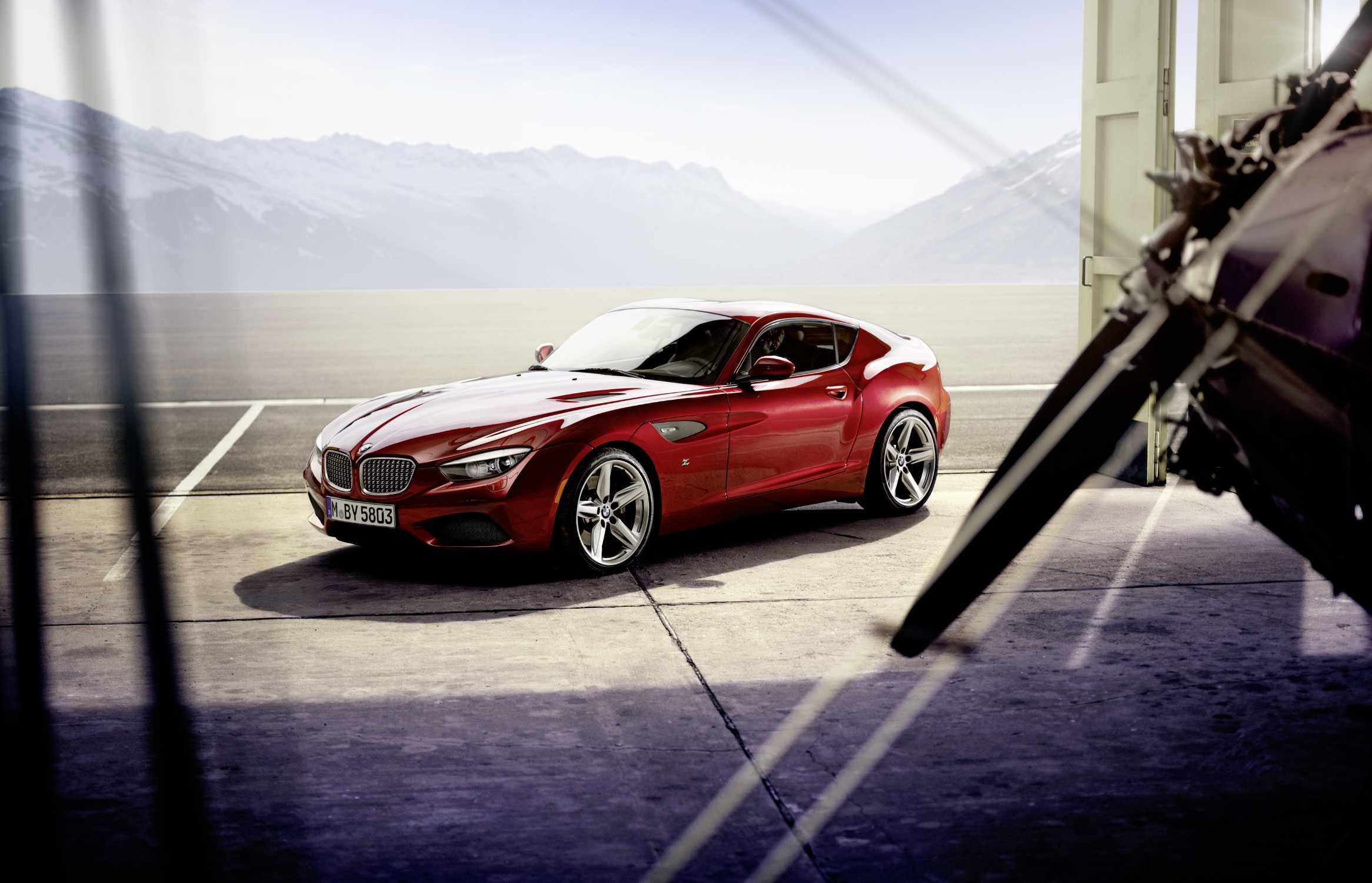
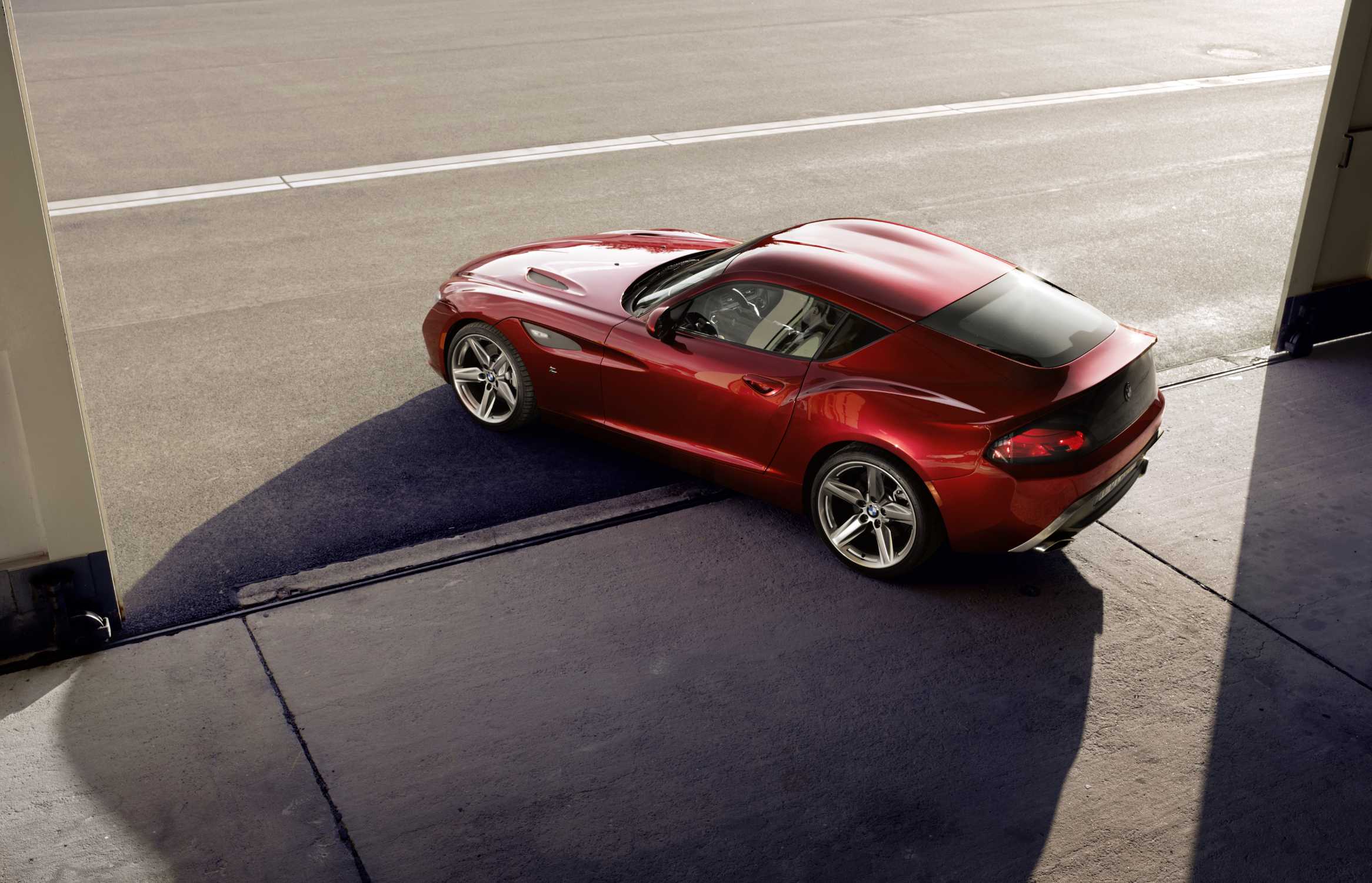
The 2012 BMW Zagato Coupé is a one-off collaboration that combines BMW’s visual language with the Italian coachbuilder’s body-making traditions. Presented at Villa d’Este, it is a complete physical automobile with hand-crafted bodywork, not a production trim package for an ordinary Z4.
Record: BMW-080 · Coachbuilt factory collaboration one-off · Italy · 2012.
Specifications and rarity
| Item | Documented reference and scope |
|---|---|
| Count scope | One original BMW Zagato Coupé; Roadster is a separate one-off |
| Debut | 2012 Concorso d’Eleganza Villa d’Este |
| Partners | BMW and Zagato |
| Construction | Hand-shaped aluminum bodywork |
| Factory brief | Road-registered Vmax concept, intended to be driven |
| Defining form | Double-bubble roof and abbreviated Kamm-style rear |
| Exterior finish | Rosso Vivace |
| Technical boundary | No engine output or measured maximum-speed claim assigned from the design release |
BMW design interpreted through Zagato coachbuilding
The factory describes a road-registered Vmax concept intended to be driven. That distinguishes it from a purely static styling object, while the one-off scope distinguishes it from a customer-production series.
This record counts the original coupé only. The later Zagato Roadster belongs to the same collaboration but is a separate car with another body and presentation history. Related profiles connect them without collapsing their individual identities.
Hand-shaped aluminum gives the project material substance
BMW’s release describes aluminum sheet metal shaped by hand to create the new body. Coachbuilding here means more than applying badges or repainting standard panels: the exterior skin expresses a separately developed form.
Hand work also explains the scale of the project. A unique body can be developed around a specific mechanical architecture without becoming a repeatable large-volume manufacturing programme. The one-off is the final object of that collaboration.
Aluminum describes the panel material, while coachbuilding describes how the body is created and integrated. Those are related but different ideas. A handmade body remains significant because of its complete construction, even when another production car also uses aluminum in individual parts.
This distinction is useful beside the M3 special editions in this batch. Those cars retain a regular body architecture while changing equipment or engineering. The Zagato Coupé places the exterior construction itself at the center of its identity.
The double-bubble roof and shortened tail define the silhouette
The roof’s paired contours provide a recognizable Zagato reference. Combined with the long bonnet and compact rear, they give the coupé a shape that remains readable from more than one viewpoint.
A Kamm-style rear treatment is part of the factory design account. Its visual and aerodynamic brief should not be converted into a specific drag coefficient or measured speed result without supporting data. Design intention and tested numerical performance are different kinds of evidence.
The supplied photographs show the full body and an elevated view. Together they make the roof and rear treatment easier to inspect than a single frontal image would. Each photograph carries its own source link and visible BMW credit.
BMW and Zagato cues meet across the surfaces
The front preserves recognizable BMW features while the grille and selected details incorporate the Zagato identity. The result is a collaboration expressed through the body rather than a simple substitution of one maker’s badge for another.
The Rosso Vivace finish helps the surfaces remain legible as light changes across them. That effect is visible in the original factory photography, but it is a description of appearance rather than a claim about a uniquely numbered paint allocation.
A useful profile explains how these details relate to the whole. Roof, tail, grille and finish all participate in the design brief. Treating each as an isolated rarity claim would miss the reason the complete one-off is significant.
Road-registered status does not supply missing engine figures
BMW’s description establishes that the coupé was intended as a road-registered and driveable project. It does not require this profile to assign a particular Z4 output figure or claim a tested maximum speed.
The mechanical starting point and the coachbuilt final object should remain separate in a specification table. A plausible donor specification is not automatically the confirmed final specification of a one-off, especially when the published account emphasizes design.
The profile therefore leaves unestablished performance numbers out. Its verified identity rests on the original collaboration, the constructed body, the presentation and the stated operational brief. Those facts provide substance without speculative technical detail.
A distinct original, followed by a separate Roadster
The later open car extends the collaboration into another body type. It shares a family resemblance, but its rear, cabin and roof-related forms were developed for another purpose. One cannot be used as an unexplained photograph of the other.
The coupé’s place in the collection is the original Villa d’Este project and its hand-built body. Its rarity follows from one documented original, with exhibition appearances and later photographs adding context rather than increasing production.
Keeping the two Zagato cars separate gives readers a meaningful comparison of coachbuilding choices. It also preserves the central no-duplicates rule: each distinct original receives one record, while alternate views and later appearances remain attached to that same identity.
Frequently asked questions
How many BMW Zagato Coupés are counted here?
One original coachbuilt collaboration car.
Where did it debut?
At the 2012 Concorso d’Eleganza Villa d’Este.
Was the body hand-built?
BMW describes aluminum panels shaped by hand.
Was it a static model?
The factory describes a road-registered Vmax concept intended to be driven.
Does this profile assign a specific engine output?
No. The design release does not establish the final output used here.
Is the Zagato Roadster the same original car?
No. It is a separate later one-off with its own body and presentation history.
Explore related verified BMW profiles
- BMW Zagato Roadster One-Off (2012)
- BMW M1 Hommage Design Study (2008)
- BMW Individual 760Li Sterling — ROBBE & BERKING (2013)
Sources and photo credits
Photo: BMW AG / BMW Group PressClub · Press/editorial use only. BMW-supplied press photograph under BMW PressClub terms. Original supplied photograph retained without local cropping or content alteration.
Photo: BMW AG / BMW Group PressClub · Press/editorial use only. BMW-supplied press photograph under BMW PressClub terms. Original supplied photograph retained without local cropping or content alteration.
Why this machine matters
Keeping the two Zagato cars separate gives readers a meaningful comparison of coachbuilding choices. It also preserves the central no-duplicates rule: each distinct original receives one record, while alternate views and later appearances remain attached to that same identity.
Built in limited numbers
One original BMW Zagato Coupé; Roadster is a separate one-off
Gallery
Specifications
Factory specifications may vary by model year, market and configuration.
Identity & production
- Official model
- BMW Zagato Coupé One-Off (2012)
- Base model
- Zagato collaborations
- Worldwide production
- 1