BMW M3 Lightweight E36 (1995)
Discover BMW M3 Lightweight E36 (1995) history, specifications and rarity, with sourced details, FAQs and authentic photographs with visible credits.
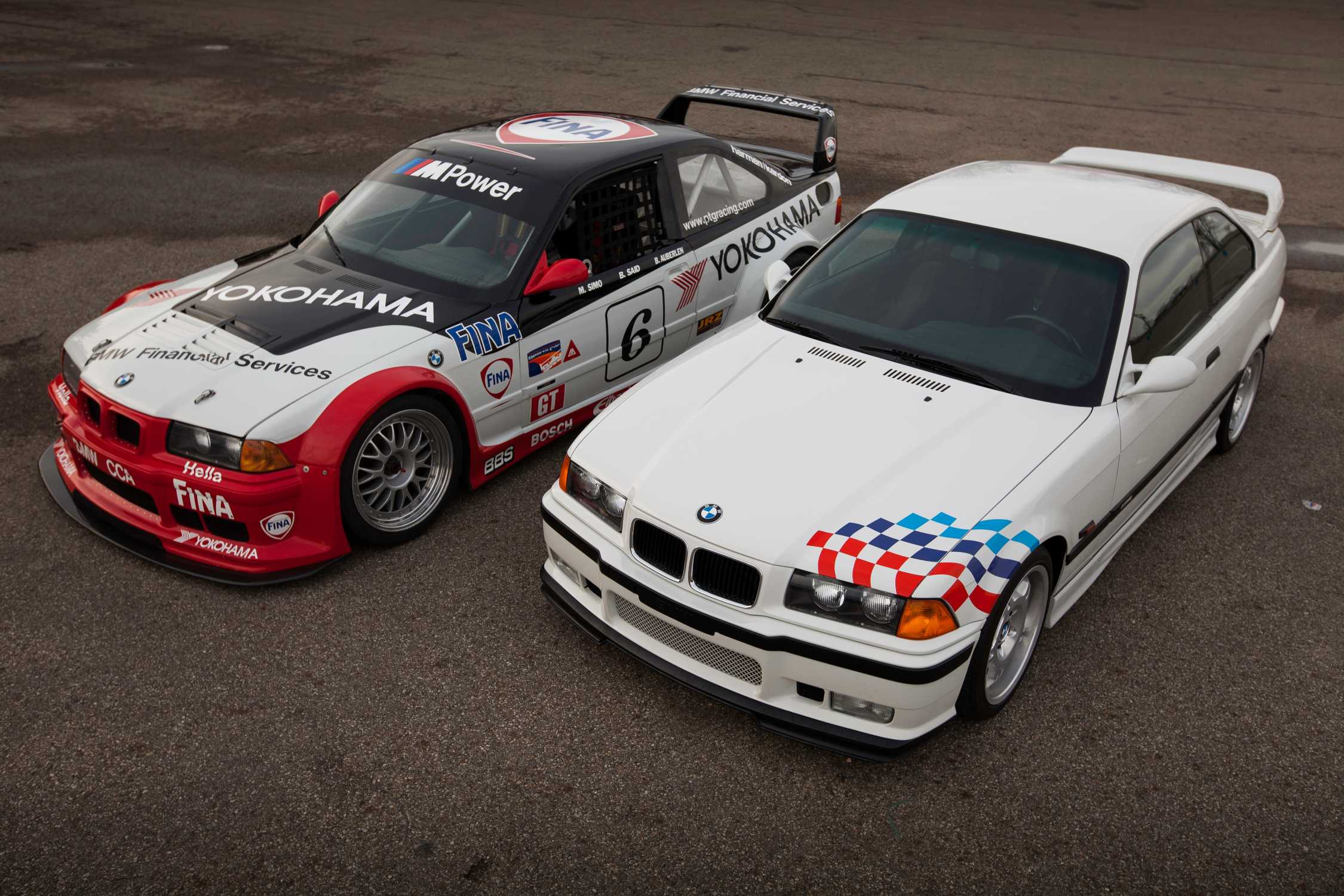
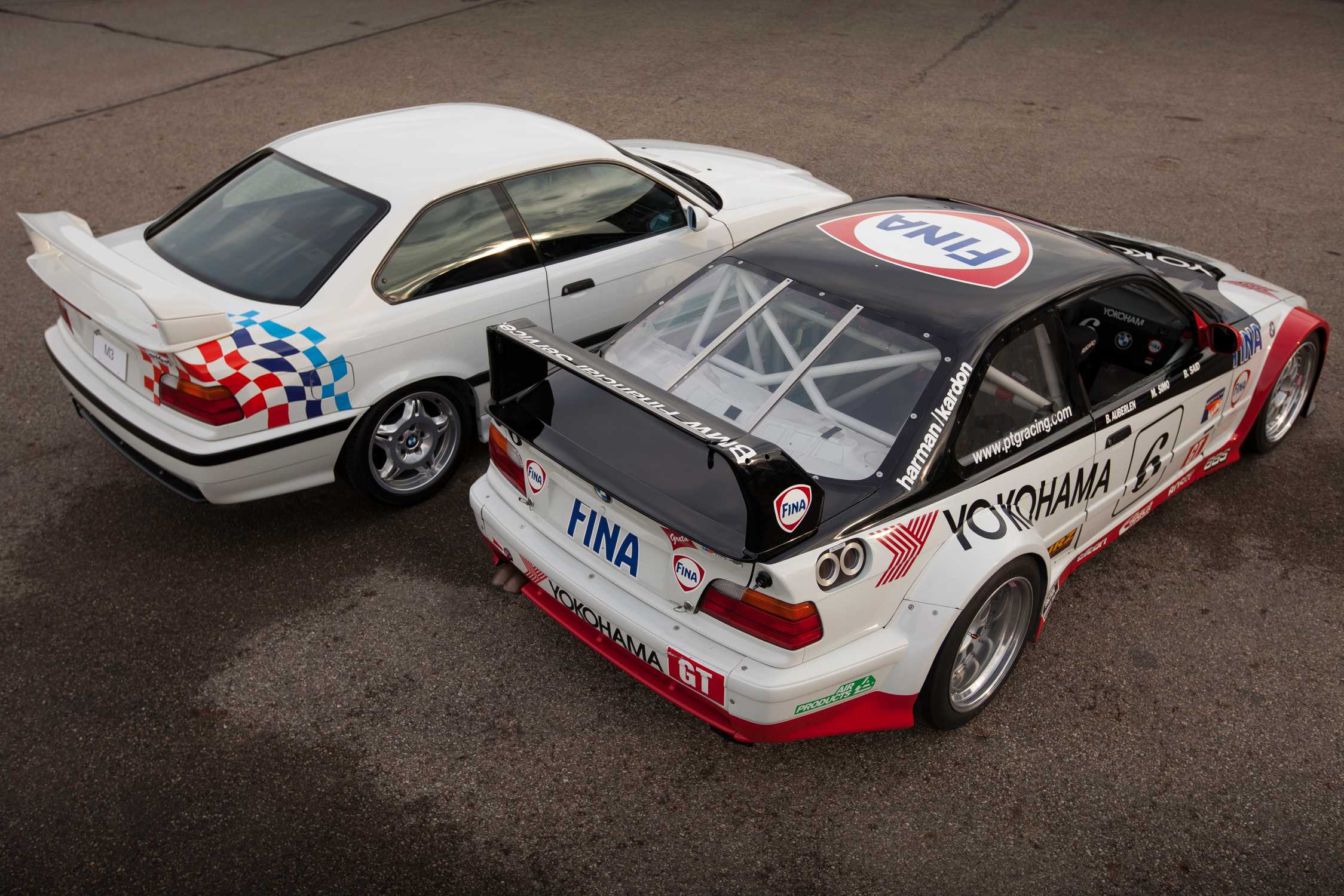
The 1995 BMW M3 Lightweight is a US-market E36 special edition with a clear brief: retain the M3 foundation while removing weight and providing a route toward competition preparation. BMW USA’s detailed historical account identifies 126 cars, comprising eleven pre-production examples and 115 series cars.
Record: BMW-047 · Limited US-market lightweight edition · Germany · 1995.
Specifications and rarity
| Item | Documented reference and scope |
|---|---|
| Model year / market | 1995; United States |
| Engine | S50B30US, 3.0-litre naturally aspirated inline-six |
| US factory output / torque | 240 hp at 6,000 rpm; 225 lb-ft at 4,250 rpm |
| Transmission / layout | Five-speed manual; rear-wheel drive |
| Factory weight-saving reference | Approximately 225 lb lighter than a regular US M3 |
| Equipment brief | Aluminium doors, shorter final-drive ratio; no factory air conditioning or radio |
| Edition count scope | 126 total: 11 pre-production cars plus 115 series cars, as detailed by BMW USA in 2025 |
| Track equipment context | Additional competition parts supplied separately; installed configuration can differ |
A US M3 built around removing weight
That factory breakdown replaces the workbook’s approximate count with a supported scoped total. The car is also kept separate from the European M3 GT. Its US engine specification and equipment decisions belong to a different programme, even though the two editions share the E36 M3 family.
The competition idea behind a customer road car
BMW USA describes the Lightweight in connection with customer racing and IMSA Firehawk showroom-stock competition. The proposal was to create a road-car starting point whose specification was more directly suited to that purpose. It is a useful reminder that a factory performance edition can begin with a competition objective while still being a distinct customer car.
The historical account associates the project with Erik Wensberg and an initial request for one hundred cars. It also describes a planned 1994 arrival moving into 1995. Those details explain the programme’s development without turning an early proposal into the final production count.
The original customer edition and a fully prepared race car should remain separate in photographs and specifications. The supplied archive images show them together, which makes the relationship visible. Their captions explicitly distinguish the white road-going Lightweight from its racing companion.
A US-specific three-litre engine
The correct engine reference is S50B30US, a three-litre naturally aspirated inline-six. BMW USA publishes 240 hp at 6,000 rpm and 225 lb-ft at 4,250 rpm. These figures belong to the US configuration rather than the European GT’s 295 hp S50B30 specification.
That distinction is important because an E36 M3 article can easily move between different markets without announcing the change. A shared displacement and model name do not establish identical induction hardware, output or calibration. This profile keeps the country-specific engine identity explicit.
The five-speed manual and rear-wheel-drive layout provide the driving architecture, while the shorter final-drive ratio forms part of the Lightweight’s equipment brief. The edition’s purpose comes from the complete package, not from claiming an engine output that belongs to another market.
Equipment deletion and the meaning of lightweight
BMW USA’s account describes aluminium doors and the omission of factory air conditioning and a radio. It places the weight saving at approximately 225 pounds compared with a regular US M3. The reduction is therefore connected with specific equipment choices rather than a vague promise of a sportier badge.
Removing convenience equipment changes the character of a road car. The Lightweight’s interest lies in accepting that tradeoff as part of its original identity. It represents a different priority from the Lagerfeld L7 in this batch, where space and personal luxury are the defining goals.
The historical weight comparison should retain its approximate wording and reference vehicle. It is not a current measured weight of every surviving car. Later installations, race preparation or owner modifications can change an individual example’s equipment and mass without changing what the original programme intended.
Separately supplied track parts and different photographed configurations
BMW’s historical account describes additional competition-oriented components supplied separately, including rear-wing hardware and an oil-pan arrangement. Their relationship with the car matters because a Lightweight can be photographed in more than one configuration. Equipment present in a current picture may reflect how a particular owner or team completed the track preparation.
The archive’s paired road-and-racing photographs make that difference especially clear. One image presents the front views, while the other supplies the rear views. The race car is included as context for the programme’s purpose, not counted as another Lightweight road car in the profile’s production total.
A careful caption avoids implying that every race component shown was fitted to every car at factory delivery. This is a case where the story of supplied parts and installed parts contributes directly to understanding what the photographs show.
The 126-car breakdown and its place among special M3s
BMW USA’s 2025 detailed history lists ten pre-production cars during January and February, another in April, and 115 series cars from August to October 1995. That produces eleven plus 115, or 126 in total. The count includes the pre-production group instead of adding it again after the total.
The GT provides the most direct same-generation comparison, while Sport Evolution supplies the preceding-generation development reference. These profiles show three distinct ways of creating a special M3: a US lightweight customer-racing brief, a developed European GT specification and a final E30 homologation stage.
The Lightweight’s rarity is therefore more useful when attached to its exact programme. The edition name, US engine, weight-saving decisions and factory production breakdown form a consistent identity. Authentic archive photography completes that identity with visible BMW credits and clear descriptions of the road and racing cars shown.
Frequently asked questions
How many M3 Lightweights were built?
BMW USA’s detailed 2025 account gives 126: eleven pre-production cars and 115 series cars.
Is the count still only approximate?
The workbook used an approximate figure; the factory’s documented breakdown supports the scoped total used here.
What engine belongs to the US Lightweight?
The three-litre S50B30US inline-six, with 240 hp and 225 lb-ft in BMW USA’s specification.
Did it use the European GT’s 295 hp engine?
No. The GT and US Lightweight have different market-specific engine configurations.
What equipment was removed?
BMW’s history describes no factory air conditioning or radio, aluminium doors and other changes producing approximately 225 lb of weight saving.
Why do the photographs show a race car as well?
BMW supplied paired images to illustrate the road Lightweight and its racing context. The captions distinguish them, and the race car does not increase the road-edition count.
Explore related verified BMW profiles
- BMW M3 GT E36 (1995)
- BMW M3 Sport Evolution E30 (1990)
- BMW M3 Pickup E30 — The 1986 Workshop One-Off
Sources and photo credits
- BMW USA: E36 M3 US specification and Lightweight photographs
- BMW USA: Chapter 25, M3 Lightweight production breakdown
Photo: BMW AG / BMW Group PressClub · Press/editorial use only. BMW-supplied press photograph under BMW PressClub terms. Original supplied photograph retained without local cropping or content alteration.
Photo: BMW AG / BMW Group PressClub · Press/editorial use only. BMW-supplied press photograph under BMW PressClub terms. Original supplied photograph retained without local cropping or content alteration.
Why this machine matters
The Lightweight’s rarity is therefore more useful when attached to its exact programme. The edition name, US engine, weight-saving decisions and factory production breakdown form a consistent identity. Authentic archive photography completes that identity with visible BMW credits and clear descriptions of the road and racing cars shown.
Built in limited numbers
126 total: 11 pre-production cars plus 115 series cars, as detailed by BMW USA in 2025
Gallery
Specifications
Factory specifications may vary by model year, market and configuration.
Identity & production
- Official model
- BMW M3 Lightweight E36 (1995)
- Base model
- M3 E36
- Worldwide production
- 126
Powertrain & performance
- Engine
- S50B30US, 3.0-litre naturally aspirated inline-six
- Transmission
- Five-speed manual; rear-wheel drive