BMW 333i E30 — South Africa’s Six-Cylinder Special
Discover BMW 333i E30 history, specifications and rarity, with sourced details, FAQs and authentic photographs with visible credits.
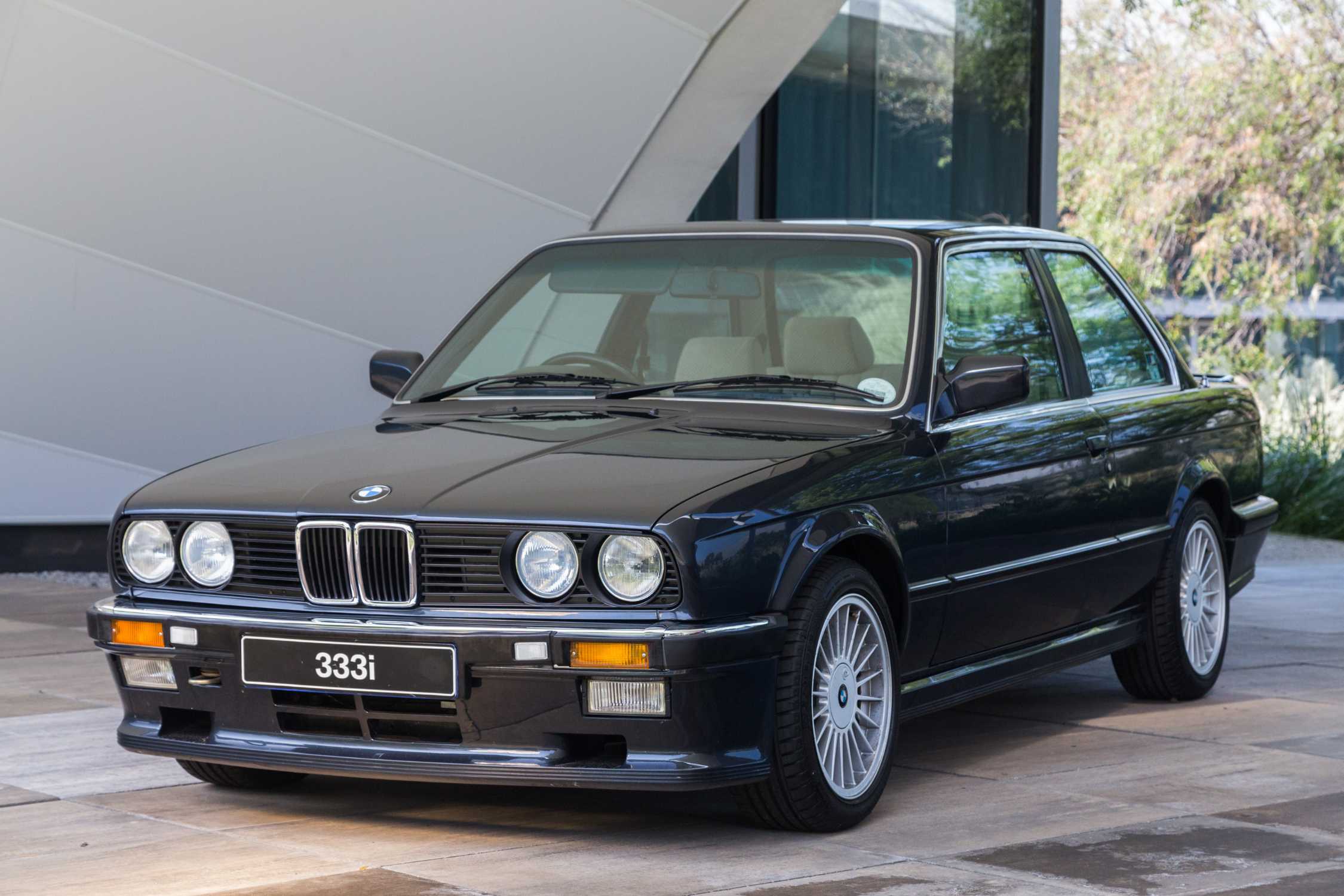
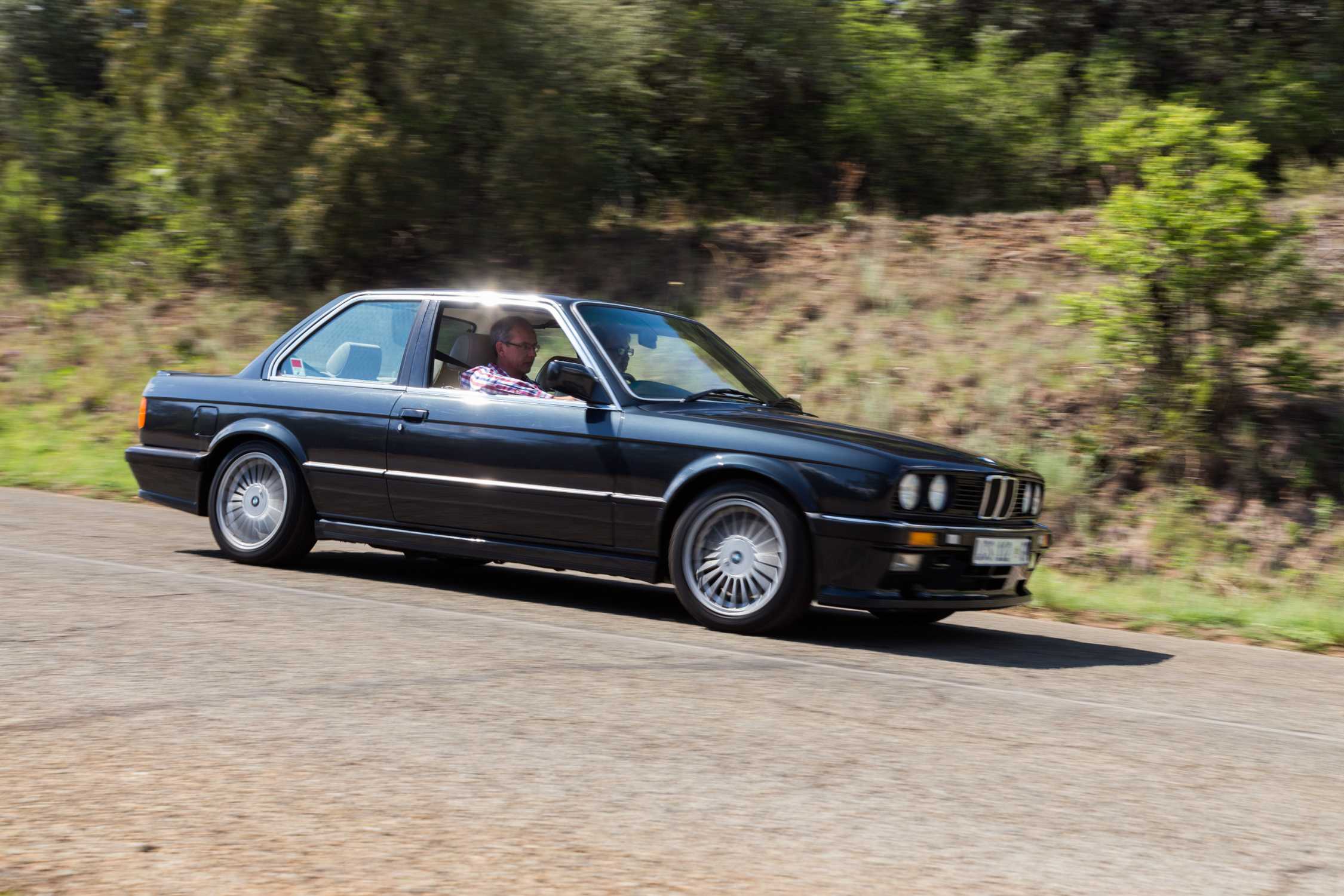
The BMW 333i brought a large six-cylinder engine into the compact E30 body for South Africa. It was a BMW-built regional performance model assembled at Rosslyn and developed through collaboration involving BMW, BMW Motorsport and Alpina. That combination is essential to its identity.
Record: BMW-023 · South African regional performance model · South Africa · 1985.
Specifications and rarity
| Item | Documented reference and scope |
|---|---|
| Introduction reference | 1985; cars produced through the period ending 1987 in BMW’s account |
| Market / assembly | South Africa; BMW Plant Rosslyn |
| Development | BMW, BMW Motorsport GmbH and Alpina collaboration |
| Engine | 3.2-litre naturally aspirated inline-six |
| Factory release output reference | 146 kW; equivalent labeled 197 hp in the 2016 release |
| Transmission | Five-speed sports manual |
| Other factory-identified features | Sports suspension and specific cockpit design |
| Count scope | Factory release says approximately 200; workbook’s exact 204 remains unconfirmed here |
The BMW 333i was a regional answer to compact performance
The workbook uses 1987 as its reference year. BMW’s retrospective identifies the programme with 1985 and says approximately 200 cars had been produced by 1987. This profile distinguishes the introduction context from the end-period reference rather than presenting the car as first appearing in 1987.
A 3.2-litre six in an E30 body
The factory release highlights a 3.2-litre inline-six, a five-speed sports transmission, sports suspension and a specific cockpit treatment. It publishes 146 kW with an equivalent labeled 197 hp. These are the figures from that dated release; the kW value is retained to avoid silently substituting different horsepower units.
The engineering appeal comes from the combination of engine scale and compact body. The E30 platform already offered recognizable BMW proportions, but the larger engine gave this regional version a different identity from an ordinary model defined only by trim or a badge.
A model profile should therefore discuss the drivetrain and development collaboration before leaning on cosmetic recognition. Body kits and badges can be reproduced, whereas documented build identity and the intended configuration explain why a genuine 333i is a distinct vehicle programme.
BMW and Alpina collaboration does not make it an aftermarket conversion
BMW’s own restoration account names the collaboration among BMW, BMW Motorsport GmbH and Alpina. The result is described as a South African-exclusive BMW manufactured at Plant Rosslyn. That is different from treating every Alpina-related component as evidence that a vehicle was privately modified after delivery.
For this record, the qualifying identity is the documented BMW regional model. The role of collaborators belongs in the history, while the manufacturer, assembly location and market scope remain explicit. This makes the profile useful within Rarity Rides’ factory-special inventory rules.
The comparison with the M3 workshop pickup is instructive. Both involve an unusual E30, but one is a regional customer model and the other is an internal one-off. A shared body generation is a starting point for comparison, not a reason to combine their rarity counts.
What the factory restoration photographs document
BMW South Africa’s 2016 release documents the refurbishment of the 333i alongside an M1. The gallery images belong to that heritage context, not to an undated assertion about a newly built production car. Captions identify the 333i within any shared frame so the second car cannot be mistaken for its body style.
The photographs help readers see the regional model’s appearance, but they do not establish a complete survival census. A restored factory heritage example is evidence of that particular presentation and project. It is not proof of how many privately owned examples remain.
That distinction keeps the article focused on information the sources can support: model identity, engineering features, regional production and BMW’s heritage treatment. The profile does not add an invented chassis number or ownership claim to make the story appear more detailed.
Why an exact production total is held
The workbook gives 204. The checked BMW release instead uses approximately 200. Those statements support a small production programme, but they do not independently establish the same exact census. The article preserves both scopes and leaves an exact total unset.
This is a useful example of separating verified identity from verified arithmetic. The vehicle’s existence and regional role are documented; the remaining question is the precision of the total. A rounded factory reference should not be converted into an exact number simply because a spreadsheet supplies one.
The 333i belongs beside the earlier South African 530 MLE in this batch. One emphasizes a distinctive compact drivetrain, while the other has a clearly described homologation requirement and two production phases. The comparison shows why regional performance cars need individual source and count treatment.
Frequently asked questions
Was the BMW 333i a South African model?
Yes. BMW identifies it as a locally exclusive model manufactured at Plant Rosslyn.
When was it introduced?
The checked BMW account identifies 1985; the workbook’s 1987 reference is kept as a later programme-period note.
What engine did it use?
A naturally aspirated 3.2-litre inline-six.
Who collaborated on its development?
BMW, BMW Motorsport GmbH and Alpina are named in the factory release.
Are exactly 204 cars confirmed here?
No. The workbook gives 204, while the checked factory release says approximately 200. The exact field remains empty.
Is it the same programme as the 530 MLE?
No. The 333i is an E30 regional performance model; the 530 MLE is an earlier E12 homologation programme.
Explore related verified BMW profiles
- BMW 530 MLE E12 — South African Homologation Pioneer
- BMW M3 Pickup E30 — The 1986 Workshop One-Off
- BMW 2002 turbo — The Original Turbocharged 02
Sources and photo credits
Photo: BMW AG / BMW Group PressClub · Press/editorial use only. BMW-supplied press photograph under BMW PressClub terms. Original supplied photograph retained without local cropping or content alteration.
Photo: BMW AG / BMW Group PressClub · Press/editorial use only. BMW-supplied press photograph under BMW PressClub terms. Original supplied photograph retained without local cropping or content alteration.
Why this machine matters
The 333i belongs beside the earlier South African 530 MLE in this batch. One emphasizes a distinctive compact drivetrain, while the other has a clearly described homologation requirement and two production phases. The comparison shows why regional performance cars need individual source and count treatment.
Built in limited numbers
Factory release says approximately 200; workbook’s exact 204 remains unconfirmed here
Gallery
Specifications
Factory specifications may vary by model year, market and configuration.
Identity & production
- Official model
- BMW 333i E30 — South Africa’s Six-Cylinder Special
- Base model
- 3 Series E30
Powertrain & performance
- Engine
- 3.2-litre naturally aspirated inline-six
- Transmission
- Five-speed sports manual