BMW X5 Le Mans E53 (2000)
Discover BMW X5 Le Mans E53 (2000) history, specifications and rarity, with sourced details, FAQs and authentic photographs with visible credits.
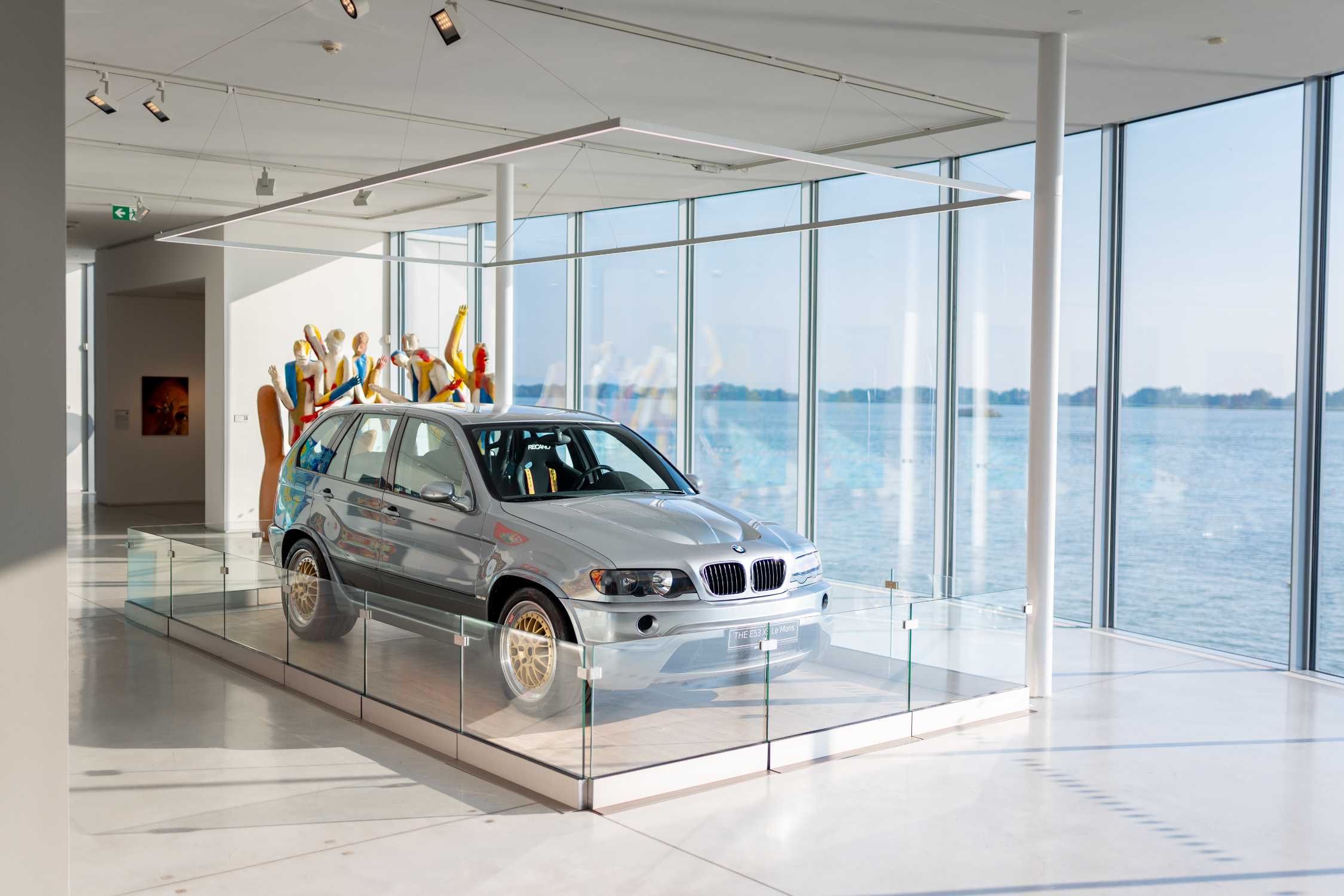
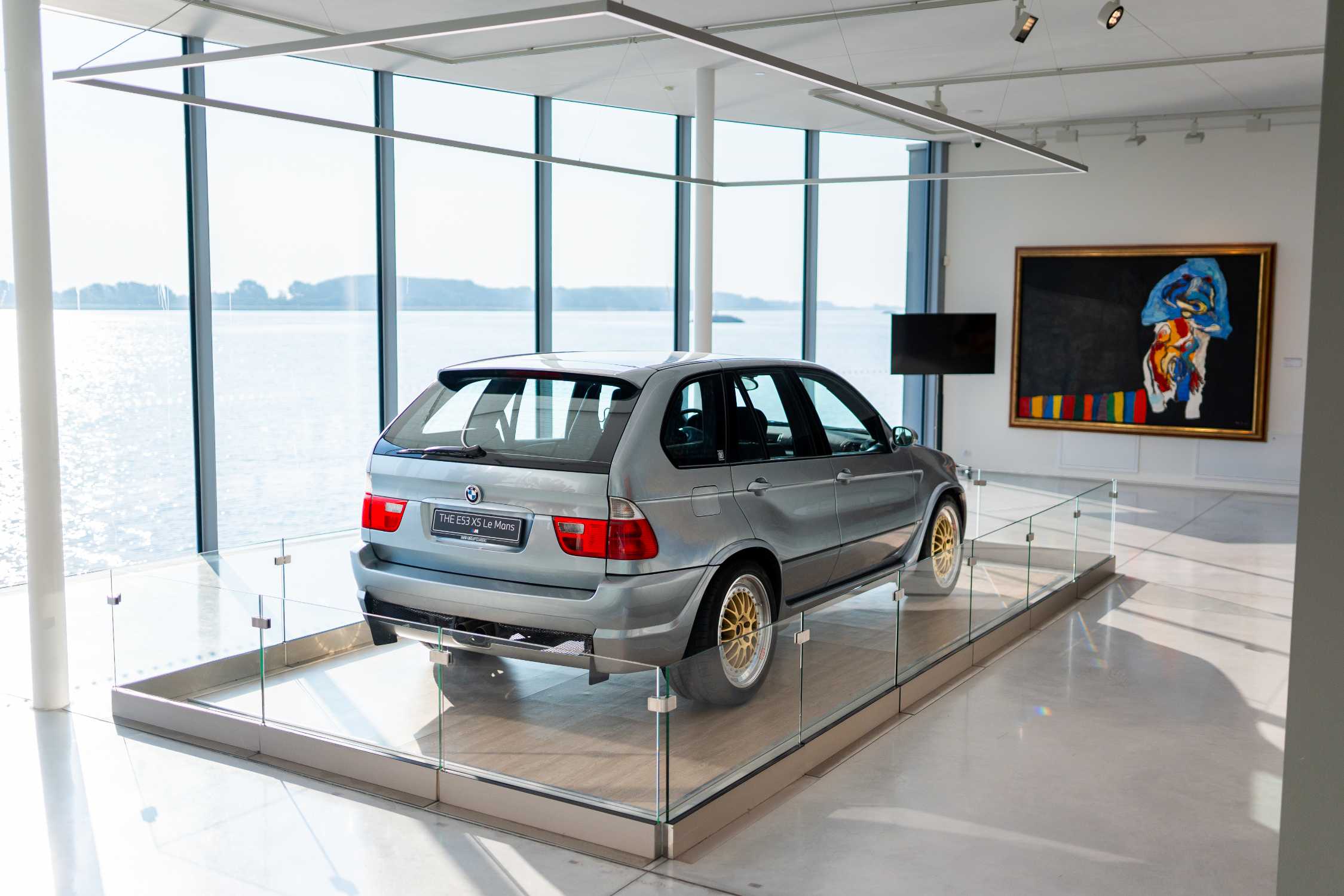
The BMW X5 Le Mans is a one-off E53 experiment presented in 2000, combining the first X5 body with V12 technology from BMW’s endurance-racing programme. Its purpose was to explore the performance potential of a vehicle type more usually associated with space, everyday utility and a high driving position.
Record: BMW-054 · Factory engineering one-off · Germany · 2000.
Specifications and rarity
| Item | Documented reference and scope |
|---|---|
| Public project reference | 2000; factory release dated 24 February 2000 |
| Engine | 6.0-litre naturally aspirated V12 derived from BMW’s Le Mans programme |
| Launch reference output / torque | 514 kW; 700 bhp as published in the release; 720 Nm at 5,000 rpm |
| Launch performance reference | 0–100 km/h in 4.7 seconds; 278 km/h |
| Body / chassis changes | Bonnet outlet, revised aero surfaces, 20-inch wheels and 30 mm lower chassis |
| Cabin | Four bucket seats and an extensively revised interior |
| Count scope | One experimental X5; not a retail Le Mans trim series |
A Le Mans V12 inside the first X5
BMW’s contemporary release expressly calls the vehicle unique and says it was not intended for production. This entry therefore counts one engineering object. It also corrects the workbook’s 1999 reference to the documented 2000 public project context, while preserving BMW-054 as the inventory identity.
Why the engine connection is significant
The factory release connects the six-litre V12 with the engine programme that powered BMW’s Le Mans success. Installing related racing technology in an X5 creates a striking contrast: the powertrain story belongs to endurance competition, while the body belongs to the early Sports Activity Vehicle range.
That contrast does not make the X5 a Le Mans entrant. The name describes its engineering association, not a race result earned by the tall-bodied vehicle. Nor should the 1999 winning V12 LMR be confused with Holzer’s separate Art Car in the same model family.
The prototype is interesting because it makes that improbable combination physical. An imagined engine swap can be described in a few words, but a functioning factory experiment requires integration. Cooling, drivetrain, chassis behavior and the surrounding package all need to work together.
The launch figures belong to a dated specification
BMW’s February 2000 release gives 514 kW and a 700 bhp reference, with 720 Nm at 5,000 rpm. It states a 4.7-second 0–100 km/h time and 278 km/h top speed. These are retained as the launch account’s figures rather than silently blended with later demonstrations.
A prototype can continue to appear in new contexts after its introduction. Later reported speeds, circuit appearances or changed equipment may describe another stage in its use. A dated specification provides a consistent starting point without pretending that all published numbers concern one identical test configuration.
The distinction is particularly useful for this vehicle because extreme performance is central to its reputation. The profile can explain that reputation while preserving the exact scope of the numbers. It does not need an invented acceleration calculation or an unsupported claim of a current record.
The exterior shows a complete engineering treatment
The bonnet opening is among the most noticeable changes identified by BMW. Revised front and rear sections, sill treatments, mirrors and large wheels complete the exterior package. The factory account also describes a chassis lowered by 30 millimetres.
Those visible changes help distinguish the experimental car from an ordinary early X5. Their relationship with the body is more informative than a single badge. The vehicle remains recognizable as an E53, while its modifications make the unusual mechanical project legible from the outside.
The X5’s higher and larger body also gives this experiment a different packaging problem from the low E31 M8 prototype. Both use twelve-cylinder performance as a route toward an extreme concept, but the surrounding vehicle architecture is substantially different. That difference is part of the reason both deserve distinct profiles.
Four bucket seats change the interior brief
BMW’s contemporary description identifies four bucket seats and an interior with a strong aluminum presence. The cabin therefore reinforces the experimental character instead of preserving an ordinary family-SUV environment unchanged. Seating and materials become part of the complete project.
The change illustrates how a concept’s purpose can be communicated without a new body shape. A passenger compartment built around individual supportive seats suggests a different use from a standard rear bench. The visual message supports the technical story, although it does not independently prove any particular performance result.
This is a factory one-off rather than an instruction for reproducing the conversion. The original car’s value as a record lies in what BMW actually constructed and documented. Later customer trim names or enthusiast builds carrying Le Mans wording belong to their own histories.
Clean exhibition views show the original X5
The selected BMW archive photographs show the documented X5 Le Mans at Danubiana during the BMW Group Private Collection Summer Festival in June 2023. The complete exterior view establishes the vehicle, while the rear-quarter view shows another part of its unique SUV body.
The image date is distinct from the 2000 project reference. A historical vehicle can be photographed decades after its introduction, and that later appearance adds a chapter rather than changing its construction story. Direct source captions preserve the event context.
The count remains one experimental X5. The profile belongs beside the M8 prototype and M3 body-style studies as evidence of a factory exploring a possibility beyond its normal customer range. Its significance comes from a documented complete vehicle, not from assigning a racing victory to the wrong object.
Frequently asked questions
Was the X5 Le Mans introduced in 1999?
The contemporary factory public release is dated February 2000; this profile uses 2000 as the project reference.
How many were made?
BMW describes one unique experimental vehicle and no production plans.
Did the X5 itself win Le Mans?
No. Its name and engine association connect it with BMW’s endurance-racing programme, not an X5 race victory.
What launch output does BMW publish?
514 kW and 700 bhp in the contemporary release, with 720 Nm.
Why is the top speed specifically labelled a launch reference?
The 278 km/h figure belongs to BMW’s February 2000 account and is not blended with later reported demonstrations.
Is it a customer Le Mans equipment edition?
No. The one-off V12 experiment is separate from retail trim packages and privately modified X5s.
Explore related verified BMW profiles
- BMW V12 LMR Art Car — Jenny Holzer, 1999
- BMW M8 E31 Prototype (1992)
- BMW M3 Touring Concept E46 (2000)
Sources and photo credits
Photo: BMW AG / BMW Group PressClub · Press/editorial use only. BMW-supplied press photograph under BMW PressClub terms. Original supplied photograph retained without local cropping or content alteration.
Photo: BMW AG / BMW Group PressClub · Press/editorial use only. BMW-supplied press photograph under BMW PressClub terms. Original supplied photograph retained without local cropping or content alteration.
Why this machine matters
The count remains one experimental X5. The profile belongs beside the M8 prototype and M3 body-style studies as evidence of a factory exploring a possibility beyond its normal customer range. Its significance comes from a documented complete vehicle, not from assigning a racing victory to the wrong object.
Built in limited numbers
One experimental X5; not a retail Le Mans trim series
Gallery
Specifications
Factory specifications may vary by model year, market and configuration.
Identity & production
- Official model
- BMW X5 Le Mans E53 (2000)
- Base model
- X5 E53
- Worldwide production
- 1
Powertrain & performance
- Engine
- 6.0-litre naturally aspirated V12 derived from BMW’s Le Mans programme