BMW H2R Hydrogen Record Car (2004)
Discover BMW H2R Hydrogen Record Car (2004) history, specifications and rarity, with sourced details, FAQs and authentic photographs with visible credits.
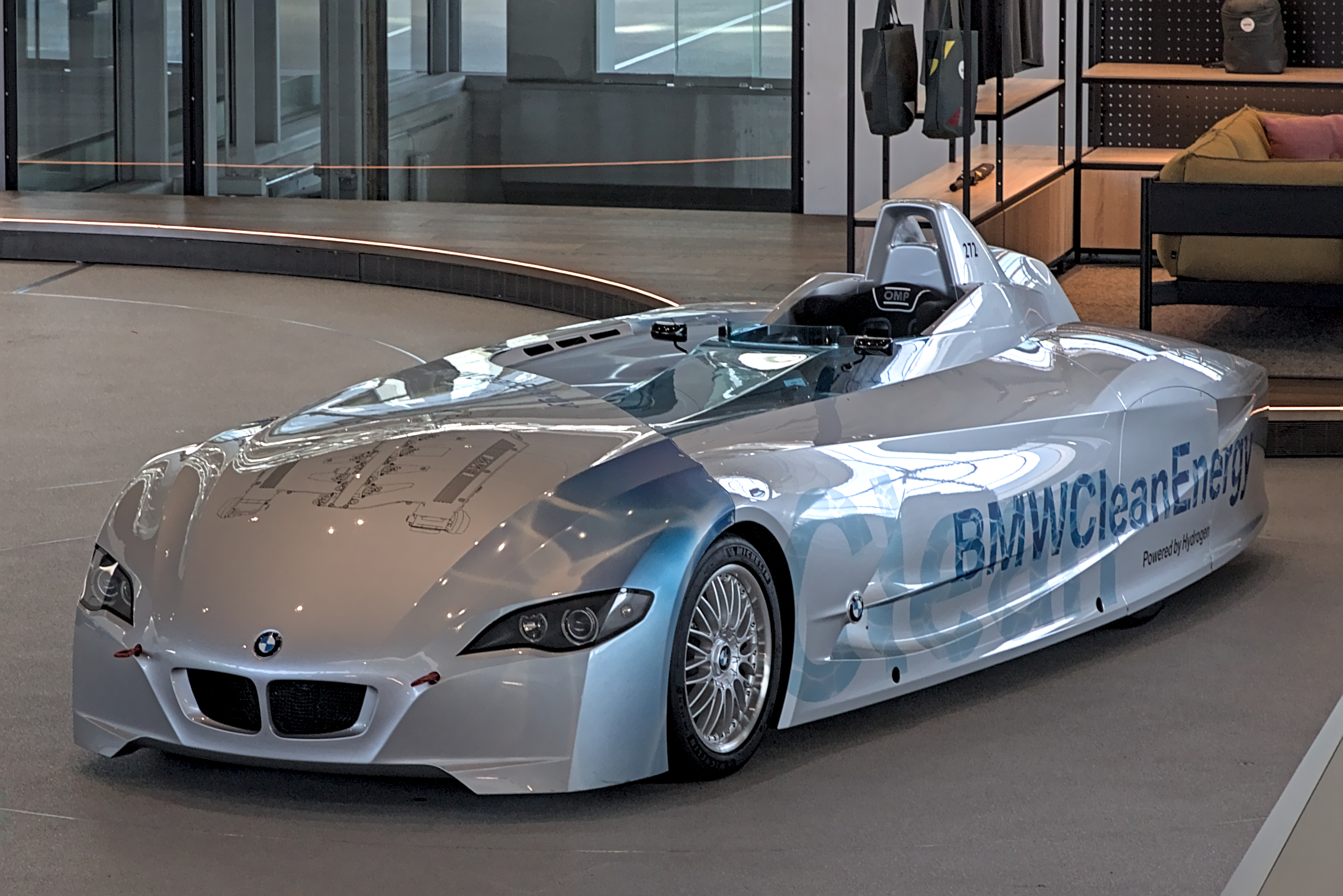
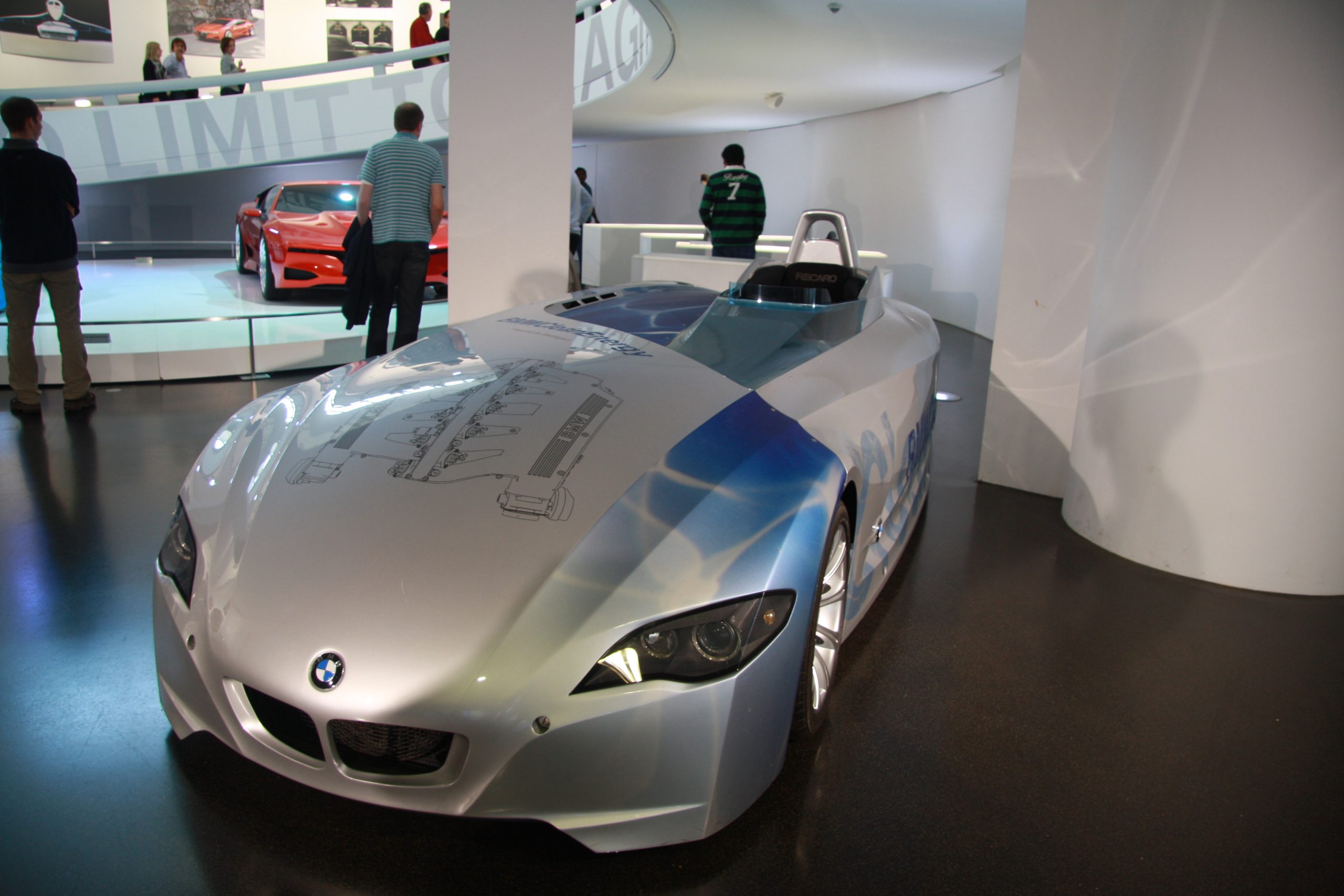
The 2004 BMW H2R is a one-off research car developed to investigate hydrogen in a high-speed internal-combustion vehicle. Its streamlined body and V12 powertrain served a record programme at Miramas, rather than a customer-production model launch.
Record: BMW-059 · Factory research one-off · Germany · 2004.
Specifications and rarity
| Item | Documented reference and scope |
|---|---|
| Count scope | One original H2R research and record-car project |
| Fuel and engine principle | Liquid hydrogen; internal-combustion engine, not a fuel cell |
| Engine | 6.0-litre V12 based on the BMW 760i engine architecture |
| Published output | More than 210 kW / 285 bhp in the 2004 project release |
| Published maximum speed | More than 302.4 km/h in the launch account |
| Record confirmation | Nine class records confirmed by the FIA in December 2004 |
| Record venue and date | Miramas, France; 19 September 2004 |
| Final flying-kilometre result | 11.993 seconds; average 300.175 km/h |
A hydrogen experiment built around a combustion engine
The distinction between hydrogen combustion and a fuel cell is central to the car’s identity. The H2R burns hydrogen in an engine. A fuel-cell vehicle instead uses an electrochemical process to supply electrical energy to an electric drivetrain. Sharing a fuel does not make those propulsion systems the same.
This profile counts the original H2R project as one research vehicle. It does not treat later displays, archive photographs or a subsequent artistic interpretation of the car as additional production examples. The rarity follows from the unique programme and original vehicle, not from an invented series limit.
A V12 adapted to liquid hydrogen
BMW’s project account describes a 6.0-litre V12 based on the 760i’s engine architecture, adapted for hydrogen operation. The published output exceeds 210 kW or 285 bhp. That figure belongs to this research configuration and should not be replaced with the petrol output of the related luxury saloon.
Liquid-hydrogen storage and the combustion system were part of the experimental brief. The car therefore offers a useful historical example of a manufacturer investigating an alternative fuel while retaining a reciprocating engine architecture.
The technology should be understood in the context of the project rather than through a modern road-car specification sheet. The H2R was designed to gather evidence and demonstrate capability at speed. Its results do not establish a customer warranty, public-road range or commercially available specification.
Body design for a dedicated record programme
The long, low body has a very different purpose from a saloon, estate or roadgoing sports coupé. It encloses the record-car systems within a shape developed for the programme, with the driver occupying a dedicated cockpit rather than a normal passenger cabin.
BMW credits the project to its research and technology organization, with Designworks involvement in the body design. This relationship between engineering and form explains why the H2R looks unlike the production car that supplied its basic engine architecture.
The two supplied museum photographs show the physical H2R clearly, from complementary positions. The visible captions identify the photographed vehicle and the display context. Museum location and capture date belong to the image record; they should not be mistaken for the location or date of the 2004 speed runs.
Nine class records, with the final confirmation kept separate
The September 2004 programme produced record claims that were subsequently confirmed by the FIA. BMW’s December confirmation identifies nine class records for hydrogen-powered reciprocating-engine vehicles. The class qualification is essential: these were not unrestricted outright land-speed records.
The final flying-kilometre reference is 11.993 seconds at an average of 300.175 km/h. Average speed across a measured distance is a different quantity from the maximum speed quoted in the earlier project release. Both can describe the same programme without being interchangeable.
The source record includes preliminary and final reporting. This profile uses the later confirmed result for the measured flying kilometre, rather than mixing preliminary figures with final timing. It also avoids importing an inconsistent miles-per-hour conversion into the specification table.
The later Olafur Eliasson connection
The H2R subsequently became the basis of Olafur Eliasson’s BMW Art Car project, Your mobile expectations. That later work places the research car in another context, linking the physical vehicle with an artistic investigation rather than adding another ordinary production derivative.
The original 2004 record configuration and the later Art Car presentation have different purposes and appearances. A photograph of one should not be labelled as though it shows the other. This profile’s photographs document the recognizable research car, and its technical references concern the original programme.
The connection is useful because it shows how a single vehicle can acquire more than one historical role. It does not justify counting each role as a separately manufactured car, nor does the later artistic treatment prove that the original record configuration remained mechanically unchanged.
What the H2R contributes to BMW’s research history
The H2R records a particular approach to hydrogen propulsion at a particular moment. Its importance is the documented engineering experiment and the confirmed class results, rather than a claim that one demonstration settles the wider question of fuel infrastructure or production-car suitability.
Compared with the X5 Le Mans, it also shows how different one-off projects can answer different engineering questions. The X5 combines a performance engine with an SUV format; the H2R uses a dedicated record-car format to explore an alternative fuel.
A clear profile keeps those purposes visible. The H2R’s one-off status, hydrogen combustion principle and scoped record achievements explain its rarity and significance without converting a research experiment into a road model that buyers could order.
Frequently asked questions
Is the BMW H2R a fuel-cell car?
No. It uses liquid hydrogen in an internal-combustion V12 engine.
How many H2R cars does this record count?
One original research and record-car project.
Which engine architecture was used?
BMW describes a 6.0-litre V12 based on the 760i engine architecture, adapted for hydrogen.
Were its records confirmed?
BMW reported FIA confirmation of nine class records in December 2004.
Were these outright land-speed records?
No. The records were in the class for hydrogen-powered vehicles with reciprocating engines.
What is the final flying-kilometre result?
BMW’s confirmation gives 11.993 seconds at an average of 300.175 km/h.
Explore related verified BMW profiles
Sources and photo credits
- BMW USA: H2R hydrogen research car, September 2004
- BMW: final FIA confirmation of nine H2R class records
- BMW Group: hydrogen research history
Photo: Alexander-93 / Wikimedia Commons · CC BY-SA 4.0. Photograph licensed CC BY-SA 4.0; retain the named photographer credit and license link. Original supplied photograph retained without local cropping or content alteration.
Photo: Jiří Sedláček (Frettie) / Wikimedia Commons · CC BY-SA 4.0. Photograph licensed CC BY-SA 4.0; retain the named photographer credit and license link. Original supplied photograph retained without local cropping or content alteration.
Why this machine matters
A clear profile keeps those purposes visible. The H2R’s one-off status, hydrogen combustion principle and scoped record achievements explain its rarity and significance without converting a research experiment into a road model that buyers could order.
Built in limited numbers
One original H2R research and record-car project
Gallery
Specifications
Factory specifications may vary by model year, market and configuration.
Identity & production
- Official model
- BMW H2R Hydrogen Record Car (2004)
- Base model
- Hydrogen research cars
- Worldwide production
- 1
Powertrain & performance
- Engine
- 6.0-litre V12 based on the BMW 760i engine architecture