BMW 635 CSi Art Car — Robert Rauschenberg, 1986
Discover BMW 635 CSi Art Car Robert Rauschenberg history, specifications and rarity, with sourced details, FAQs and authentic photographs with visible credits.
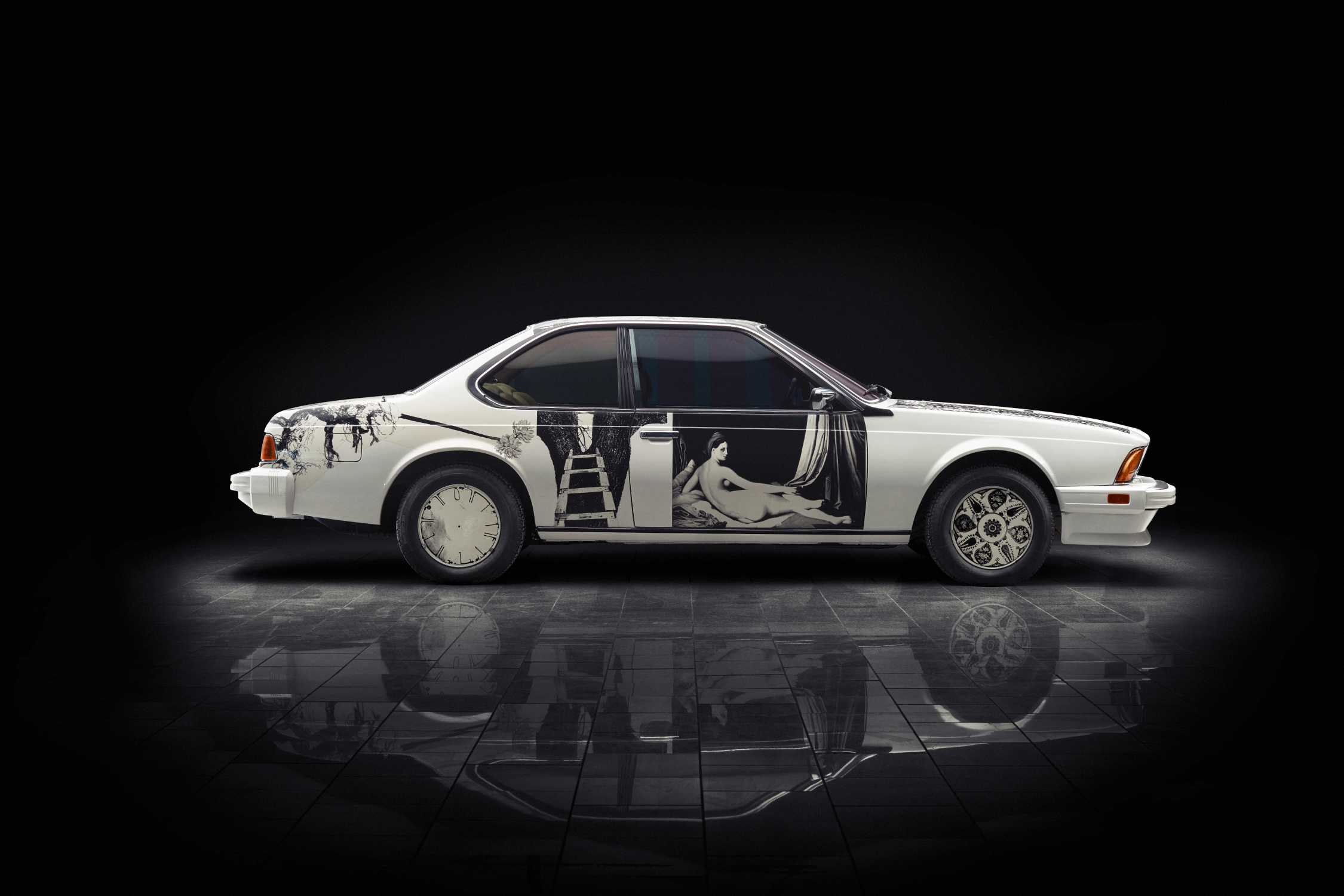
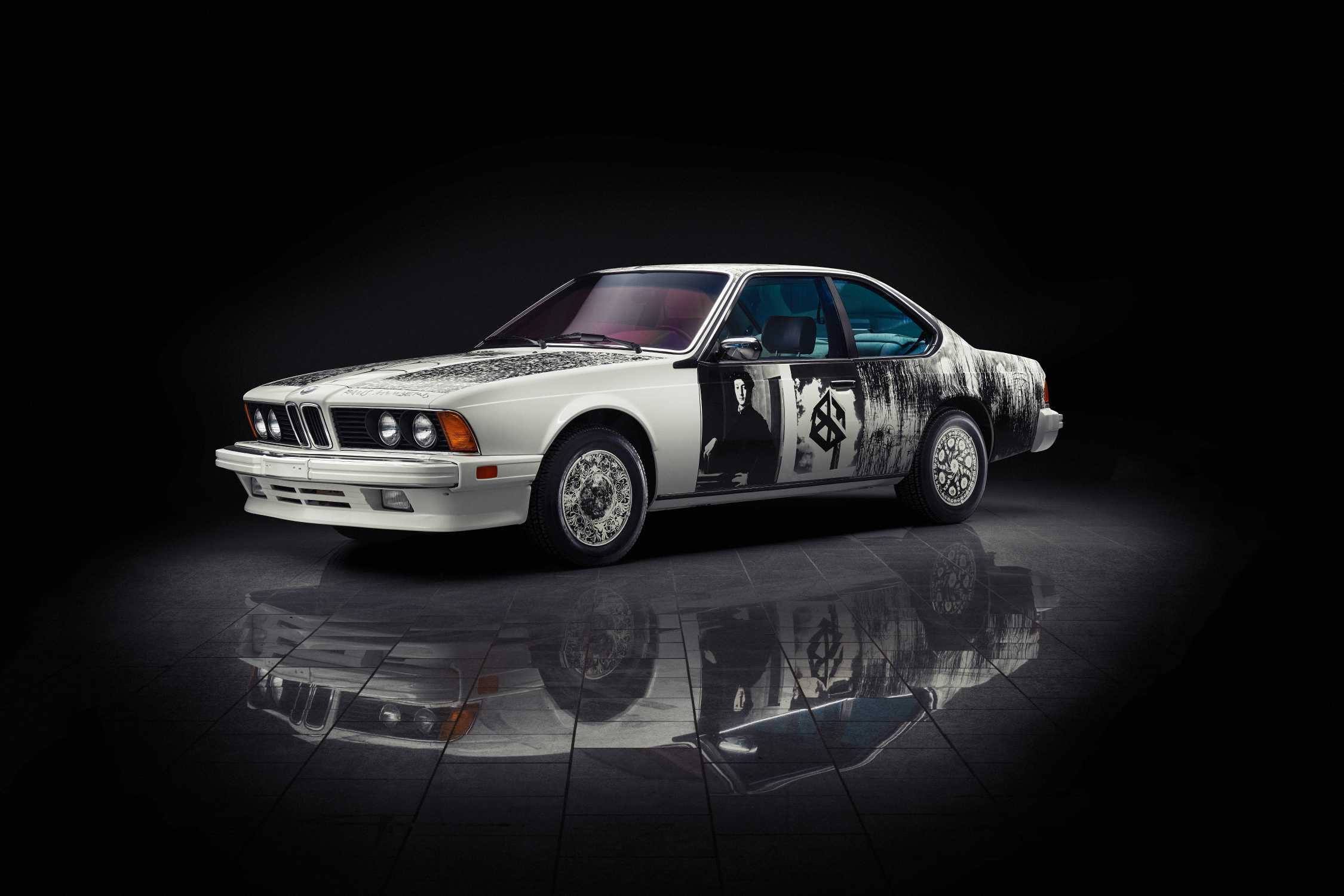
Robert Rauschenberg’s BMW 635 CSi is the sixth BMW Art Car, created in 1986. The design uses photographic imagery and reproductions of other artworks instead of treating the surface solely as a field for abstract color. It turns the E24 coupé into an object that can be read through several images and associations.
Record: BMW-016 · Individual BMW Art Car · Germany · 1986.
Specifications and rarity
| Item | Documented reference and scope |
|---|---|
| Art Car number | 6 |
| Artist / creation year | Robert Rauschenberg, 1986 |
| Base vehicle | BMW 635 CSi, E24 |
| Technique | Photographic imagery and silkscreened decals |
| Historical engine reference | 3,430 cc inline-six |
| Factory catalogue reference | 211 bhp; 220 km/h |
| Purpose | Exhibition artwork rather than a racing entry |
| Count scope | One original individual Art Car |
Robert Rauschenberg’s BMW becomes a moving image collection
The workbook’s 1982 year is corrected to 1986. The Robert Rauschenberg Foundation independently places the Art Car project in that year and identifies the BMW 635 CSi. Keeping the corrected date in the public profile makes its relationship with the preceding Fuchs car and later Australian M3 artworks understandable.
Photographs, art reproductions and the long coupé body
The Foundation describes silkscreened decals using images from works in the Metropolitan Museum of Art’s collection and from Rauschenberg’s own photographs. BMW’s catalogue identifies references including Bronzino and Ingres, with landscape imagery and plate-like images associated with the wheels. The project brings different visual sources into one vehicle-shaped composition.
That technique creates a different viewing task from the painted gestures on Warhol’s M1. Here, a reader can recognize and compare images, then notice how the body interrupts or carries them. The door and wheel openings become part of the composition because an image placed on a car cannot remain a neutral rectangle.
The photographs make this particularly clear along the flank. A broad side view lets the viewer connect the separate visual elements, while another angle shows how the bonnet and nose add to the sequence. The body’s changing surfaces give the work a reading that a flat reproduction cannot fully preserve.
An Art Car that connects with the Beamer paintings
The Foundation links the automobile project with Rauschenberg’s Beamer series of 1988. It explains that the later works reused images associated with the Art Car, combining acrylic and silkscreen ink on vinyl film and enameled aluminum. That connection places the car within a broader artistic practice rather than treating it as an isolated promotional commission.
The relationship is useful because it works in both directions. Familiarity with the car can help a reader notice recurring imagery in the paintings, while the paintings can clarify how the artist worked with images and metal surfaces. The profile supplies that connection without claiming the car and the later works are the same object.
An automobile can therefore matter in an artist’s history even when it never becomes a successful racing entry. Its contribution lies in material, method and the visual possibilities of its shape. Those are concrete forms of significance, not substitutes invented to compensate for a missing race result.
Technical references and the limits of a museum-object specification
BMW’s historical catalogue lists a 3,430 cc six-cylinder, 211 bhp and a 220 km/h reference. These values belong to the base-car description associated with the project. They should not be treated as a guarantee of the exhibit’s present mechanical condition or a current performance measurement.
The profile identifies the work’s exhibition role rather than asserting an absolute history of never having moved under its own power. The Foundation’s oral-history material describes the car’s studio preparation and makes a simple universal driving claim less useful than a carefully scoped statement about the completed artwork.
For readers, that is an important distinction between a car’s manufacturing identity and its subsequent life as a collection object. The vehicle name supplies a technical starting point; the artwork’s biography determines the questions the profile must answer.
Photo credits and the individual artwork identity
The supplied modern BMW photographs name Enes Kucevic. The visible captions preserve that credit and identify Rauschenberg separately as the artist. They do not imply that the photographer created the photographic collage on the car itself.
The one-car count covers the original Art Car. It is separate from ordinary 635 CSi production, from Fuchs’s earlier artwork on the same model family and from printed reproductions of the surface. The artist and creation date are therefore indispensable parts of the vehicle’s public name.
This identity also guides related links. The Fuchs coupé provides a close platform comparison, while Warhol’s M1 provides a contrasting method and purpose. The connections give readers a way to explore the collection through substantive differences in artistic process.
Frequently asked questions
When did Rauschenberg create the BMW Art Car?
1986, as documented by BMW and the Robert Rauschenberg Foundation.
What BMW model did he use?
An E24-generation BMW 635 CSi.
Which Art Car number is it?
Number 6.
What technique is important to its design?
Photographic imagery and silkscreened decals, including the artist’s own photographs and reproductions of artworks.
How does it relate to the Beamer series?
The Foundation says the 1988 paintings reused images associated with the 1986 Art Car project.
Is its catalogue power a present-day test result?
No. The 211 bhp figure is a historical base-car reference in BMW’s catalogue.
Explore related verified BMW profiles
- BMW 635 CSi Art Car — Ernst Fuchs, 1982
- BMW M1 Art Car — Andy Warhol, 1979
- BMW 730i Art Car — César Manrique, 1990
Sources and photo credits
- BMW Art Car Collection: factory technical and racing histories
- Robert Rauschenberg Foundation: artist chronology
- Robert Rauschenberg Foundation: Beamers series
Photo: Enes Kucevic / BMW Group PressClub · Press/editorial use only. BMW-supplied press photograph under BMW PressClub terms. Artwork: Robert Rauschenberg, 1986. Original supplied photograph retained without local cropping or content alteration.
Photo: Enes Kucevic / BMW Group PressClub · Press/editorial use only. BMW-supplied press photograph under BMW PressClub terms. Artwork: Robert Rauschenberg, 1986. Original supplied photograph retained without local cropping or content alteration.
Why this machine matters
This identity also guides related links. The Fuchs coupé provides a close platform comparison, while Warhol’s M1 provides a contrasting method and purpose. The connections give readers a way to explore the collection through substantive differences in artistic process.
Built in limited numbers
One original individual Art Car
Gallery
Specifications
Factory specifications may vary by model year, market and configuration.
Identity & production
- Official model
- BMW 635 CSi Art Car — Robert Rauschenberg, 1986
- Base model
- 6 Series E24
- Worldwide production
- 1
Powertrain & performance
- Engine
- 3,430 cc inline-six