BMW 1602 Elektro — Olympic Electric Prototypes
Meet BMW’s two 1602 Elektro prototypes used at the 1972 Munich Olympics. Explore their role, battery limitations, heritage and credited photographs.
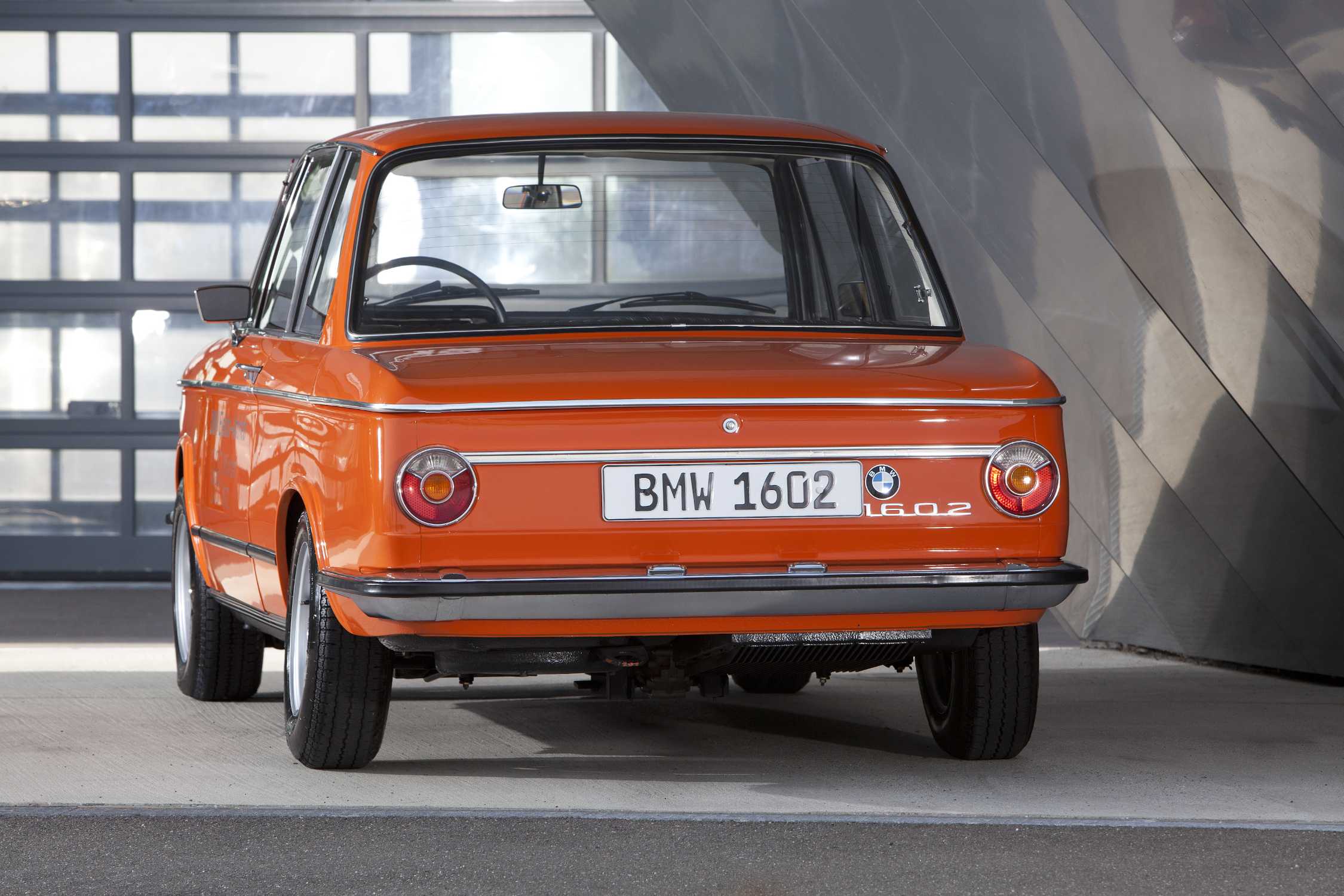
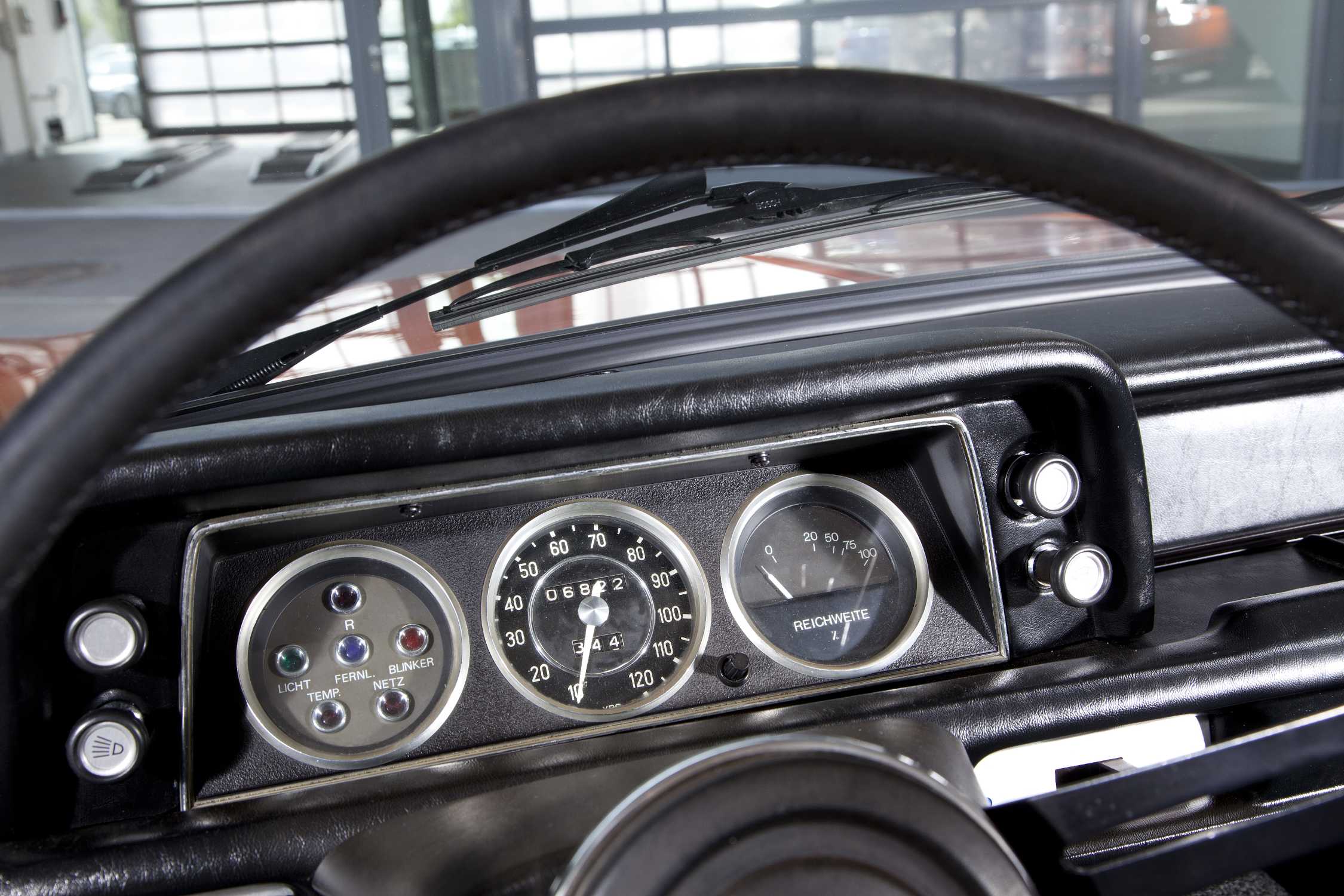
The BMW 1602 Elektro makes an unusually direct connection between a familiar compact saloon and the early history of electric mobility. Rather than beginning with a futuristic exterior, BMW converted two 1602 vehicles into working electric test cars. Their public role came at the 1972 Olympic Games in Munich.
Record: BMW-005 · Olympic electric prototype pair · Germany · 1972.
BMW 1602 Elektro specifications and rarity
| Item | Documented reference and scope |
|---|---|
| Programme | Two electrically converted BMW 1602 test vehicles |
| Public role | 1972 Munich Olympic Games support and camera duties |
| Energy storage | Lead batteries; BMW reports approximately 350 kg |
| Range reference | Around 60 km in BMW’s retrospective; test conditions are not supplied in the release summary |
| Fuel / propulsion | Battery-electric; not a petrol-electric hybrid |
| Count scope | Two operational prototypes, not a customer production edition |
BMW’s electric 1602 at the Munich Olympics
These were operational prototypes, not a limited showroom edition. Their significance lies in being used for transport and event support while BMW evaluated electric propulsion. An inventory of rare vehicles can include such cars because they have documented individual programme identities, even though they were never offered as a normal model to customers.
A practical assignment for an experimental drivetrain
BMW’s forty-year retrospective says the converted cars transported organizing-committee members and worked as support and camera cars in long-distance events. The assignment put electric drive into an everyday-looking vehicle in a demanding public setting. It also gave the programme a clear purpose beyond a stationary display.
An event-support vehicle has different priorities from a long-distance customer car. Quiet operation, local use and a defined task can make an experimental powertrain useful before it is commercially mature. The Olympic role therefore explains why the programme mattered without requiring a claim that the cars already solved every problem of electric motoring.
Battery weight, range and the limits of the era
The factory account identifies lead batteries weighing about 350 kilograms and mentions a range of around 60 kilometres. Those numbers describe the early test programme, not a modern standardized range certification. The release summary does not supply the driving cycle needed to turn that range into a directly comparable present-day rating.
The battery’s mass is central to the engineering story. In a compact car, energy storage competes with usable space and adds to the load the vehicle must move. The electric 1602 makes that tradeoff visible in a platform readers can understand. The profile therefore emphasizes the documented limitation rather than inflating a short-range prototype into a production-ready breakthrough.
Why the 1602 Elektro is not the BMW 2002 turbo
The 02 family produced very different experiments and performance models. The Olympic electric cars used battery-electric propulsion; the later 2002 turbo was a petrol production model using an exhaust-driven turbocharger. Similar compact body proportions do not make their mechanical identities equivalent.
That distinction matters when choosing photographs. An ordinary 1602, a restored electric prototype and a much later customized electric conversion can resemble one another at first glance. The photo source must identify the historical electric programme. This record uses BMW’s electric-mobility archive material and keeps the programme context visible in the captions.
The place of two prototypes in BMW history
The electric 1602 belongs at the beginning of a continuing development story rather than as a miniature version of a later electric production model. BMW’s retrospective traces subsequent research projects toward improved electrical drive systems. What links them is the research problem, not an unchanged battery, chassis or production specification.
For a vehicle profile, the two-car count is best described as the Olympic test programme. It is not a count of every electric BMW prototype or every 02-series conversion. A clear scope preserves the rarity claim and gives the reader a useful route into the history: start with the task, examine the limitations, and then consider how later programmes approached them differently.
BMW 1602 Elektro frequently asked questions
How many BMW 1602 Elektro Olympic cars were there?
BMW’s retrospective identifies two electrically powered test vehicles for the 1972 Munich Olympics.
Were they sold to customers?
They were operational research prototypes rather than a customer production edition.
What did they do at the Olympics?
BMW says they transported organizing-committee members and served as support and camera cars at long-distance events.
Was the 1602 Elektro a hybrid?
The documented prototypes used electric propulsion. They are not described as petrol-electric hybrids.
How heavy were the batteries?
BMW reports approximately 350 kilograms of lead batteries.
Can its quoted range be compared directly with a modern EV?
The release mentions around 60 kilometres but does not state a modern standardized driving cycle in its summary. Keep the historical context attached.
Explore related verified BMW profiles
Factory sources and photo credits
Technical references and historical claims are tied to the source scope shown above. The inventory’s Verified label establishes eligibility for this batch; unresolved counts remain labelled.
Images: © BMW AG / BMW Group PressClub. Supplied for press and editorial use under BMW PressClub terms.
Why this machine matters
For a vehicle profile, the two-car count is best described as the Olympic test programme. It is not a count of every electric BMW prototype or every 02-series conversion. A clear scope preserves the rarity claim and gives the reader a useful route into the history: start with the task, examine the limitations, and then consider how later programmes approached them differently.
Built in limited numbers
Two operational prototypes, not a customer production edition
Gallery
Specifications
Factory specifications may vary by model year, market and configuration.
Identity & production
- Official model
- BMW 1602 Elektro — Olympic Electric Prototypes
- Base model
- 02 Series
- Worldwide production
- 2