2019 NIO 004 Gen2 Formula E Competition Programme
Explore 004 Gen2 Formula E Competition Programme: factory identity, history, specifications, rarity evidence, identification notes and credited photos.
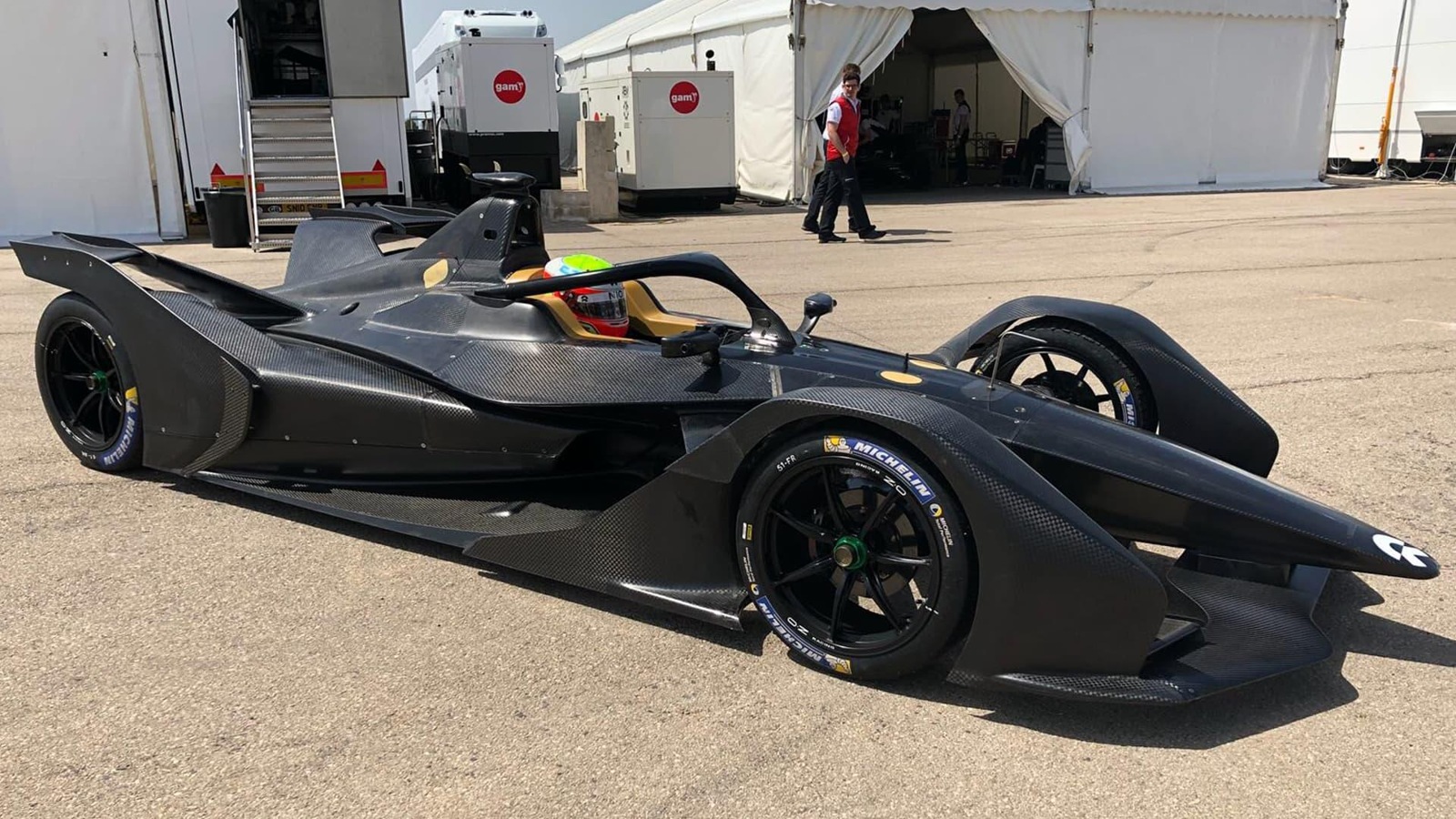
NIO 004 identifies the team’s second-generation Formula E programme for the 2018–2019 championship season. The car belongs to a documented competition effort, with a development chassis, named race entries and period manufacturer reporting. This profile narrows the workbook’s broad Gen2 row to that specific season and type, rather than treating every later NIO-branded racing car as the same vehicle.
The season and model name establish the boundary
NIO’s December 2018 preview calls its challenger the NIO 004 Generation 2 car. The FIA’s official entry list uses NIO Sport 004 for the same 2018–2019 championship entries. Both names are retained as reference terms. The title uses 2019 as the season-ending reference year, with 2018 development and launch activity recorded in the chronology. That is a season convention, not evidence that a second model appeared simply when the calendar changed.
NIO: Season 5 preview identifies the NIO 004 and drivers
A development chassis before the opening race
NIO’s April 2018 Calafat test report identifies a NIO 004 development chassis and the start of its Season 5 testing programme. This is direct evidence of a physical competition-development vehicle. It does not supply a complete chassis census. Testing activity can involve revised parts and repeated configurations, so a photographed development car should not automatically be assigned to a later driver’s race history without additional records.
NIO: Calafat report identifies the 2018 NIO 004 development chassis
The official entries and their drivers
The FIA list dated 16 November 2018 names Tom Dillmann in race number 8 and Oliver Turvey in number 16 for NIO Formula E Team. Those are event-season entry identities. They do not mean only two chassis existed or that one physical car retained a particular number through all development, testing and racing. An individual racing-car biography would need the engineering or team records that connect its chassis identity with those entries.
FIA: official 2018–2019 entry list, 16 November 2018
What changed in the Gen2 racing brief
NIO’s Season 5 preview explains the move away from mid-race car swaps and describes the new timed race format and Attack Mode. The engineering implication is useful even without assigning an unverified battery specification to a particular chassis: energy use becomes part of completing the race with the car that started it. That changes the relationship between pace, control strategy and remaining energy. The interpretation here explains the racing brief rather than claiming access to the team’s private calibration.
NIO: Season 5 preview identifies the NIO 004 and drivers
A purpose-built electric single-seater
The low, open-cockpit car and exposed competition hardware establish a different use case from NIO’s passenger vehicles. Its photograph should be read as evidence of the particular period programme. The supplied image comes from the team’s Season 5 development report and remains credited to NIO. A later-generation car, different livery or successor team’s entry is not used to illustrate this profile’s technical identity.
Results and preparation belong to their own records
A championship entry list establishes who was entered and under what type designation. A test report establishes a development event. Neither is a complete race-by-race results register or an unbroken history of every chassis. This article avoids assigning a championship victory to the Gen2 car from the team’s earlier first-generation heritage. Any result added later should carry its event, date, driver and supporting record.
Why this is one programme profile
The workbook describes a small works fleet without identifying individual chassis. This record therefore covers the NIO 004 programme rather than inventing separate numbered vehicles. There is no customer road-production total, no audited fleet size and no current-survivor count. If individual cars become documented, their relationship to this programme must be made explicit so an entry does not add them again as unrelated editions.
A useful comparison with the EP9
The EP9’s circuit and autonomous demonstrations belong to a different kind of electric performance programme. Formula E competition adds a rule-defined race environment, direct opposition and season-specific entries. Comparing them helps readers understand how two physically different cars can express electric-performance ambitions. It does not imply common chassis construction, shared batteries or transferable lap times, and the two programme records remain separate.
Specification and identity reference
| Reference season | 2018–2019 FIA Formula E Championship |
|---|---|
| Team | NIO Formula E Team |
| Manufacturer reporting name | NIO 004 Generation 2 |
| FIA entry-list type | NIO Sport 004 |
| Listed entries | 8 Tom Dillmann; 16 Oliver Turvey |
| Development reference | Calafat, April 2018 |
| Fleet production count | Not assigned |
Rarity and production scope
NIO 004 / NIO Sport 004 competition programme for 2018–2019. Entries, development chassis and testing do not establish a complete fleet-build census.
This record belongs to the archive. Concepts, manufacturing structures and competition programmes are excluded from customer road-production totals. A documented individual is a member of a wider production total and is not added as extra production.
Identifying the documented subject
Match the complete model name, date and programme to the linked evidence. Keep any chassis-specific provenance separate from a general description of the model. A period image confirms what was photographed, while a production or technical claim requires the corresponding document.
Comparisons and related profiles
Continue through these connected NIO records, each with its own factory identity and production scope.
Frequently asked questions
What is the rarity scope of this archive record?
NIO 004 / NIO Sport 004 competition programme for 2018–2019. Entries, development chassis and testing do not establish a complete fleet-build census.
Does the title date match every photograph?
2019 is the documentary reference used for the profile. A later exhibition or museum photograph can show the same programme. Its caption identifies the photographic scope without creating another edition.
Sources and further reading
- NIO: Season 5 preview identifies the NIO 004 and drivers
- NIO: Calafat report identifies the 2018 NIO 004 development chassis
- FIA: official 2018–2019 entry list, 16 November 2018
Research checked 16 October 2026. Original manufacturer announcements, official competition history and photographic evidence are identified separately. Design readings and documentation guidance are editorial interpretation.
Built in limited numbers
NIO 004 / NIO Sport 004 competition programme for 2018–2019. Entries, development chassis and testing do not establish a complete fleet-build census.
Gallery
Specifications
Factory specifications may vary by model year, market and configuration.
Identity & production
- Official model
- NIO 004 Gen2 Formula E Competition Programme
Sources and verification
Source citations are being prepared for this profile.