2010 Nissan GT-R EGOIST
Explore the GT-R EGOIST: history, verified identity, specification references, rarity evidence and real credited photos.
Nissan introduced EGOIST with the Japanese 2011-model-year GT-R range announced in October 2010. Its defining idea was individual craftsmanship: extensive hand-finished leather, owner-specific audio adjustment and a traditional lacquer steering-wheel emblem. It combined those appointments with selected SpecV-derived hardware. This is a documented bespoke factory programme, rather than a generic Premium grade with a retrimmed cabin or a numbered edition whose production total can be inferred from its name.
The November 2010 Japanese launch
The original announcement placed EGOIST within a six-version GT-R range going on sale in Japan on 17 November 2010. That explains the difference between this profile's launch year and the 2011 model-year designation. A later registration date does not create another EGOIST edition. Nor should the chronology of an export introduction automatically replace the Japanese programme's original reference date when cataloguing a surviving example.
Nissan: original 2011-model-year range and EGOIST description
Leather work and personal choices
Nissan offered twenty interior colour combinations and sent interior components to Seton in Germany for hand application of selected leather. This emphasis is important because EGOIST was organised around a personal specification, not one mandatory cabin colour. A later retrim can resemble the idea without proving original programme membership. Conversely, documented restoration of a genuine car should be recorded as restoration rather than assumed to erase its delivery identity.
A lacquer emblem and tailored sound
The steering-wheel GT-R emblem used Wajima maki-e lacquer craftsmanship, while the Bose system was adjusted for the owner's driving position. These details joined traditional finishing with a technical luxury feature. They explain the car more effectively than an unsupported claim that it was simply the most expensive R35. Original order sheets and early interior photographs are useful because small commemorative components can be replaced or transferred between cars.
Nissan: original 2011-model-year range and EGOIST description
Performance hardware in a luxury interpretation
The launch material identifies a dry-carbon rear spoiler, forged RAYS wheels and titanium exhaust related to the SpecV. The wider 2011-model-year programme also brought a 530 PS, 612 Nm engine reference. Those are dated launch specifications, not a reason to copy later GT-R output into every EGOIST. Establish the individual car's build phase and market before selecting figures for a detailed technical description.
Nissan: subsequent model-year context
Authenticating the bespoke programme
An EGOIST file should connect the original car identification to its factory order, cabin selection and delivery records. Record present trim, replacement audio components and later mechanical tuning separately. The selected manufacturer announcement supports the programme's existence but does not publish a completed worldwide census. A statement that a car is rarely seen is useful context only when clearly distinguished from a numerical production claim or an authenticated individual build history.
Specifications and identity reference
| Launch announcement | October 2010; Japan sales from 17 November |
|---|---|
| Model-year reference | 2011 GT-R range |
| Engine at launch | VR38DETT; 3.8-litre twin-turbo V6 |
| Launch output / torque | 530 PS / 612 Nm |
| Drive / gearbox | Four-wheel drive / GR6 dual-clutch |
| Interior programme | 20 offered colour combinations |
| Special craftsmanship | Hand-finished leather and Wajima maki-e emblem |
| Completed worldwide total | Not assigned |
Rarity and production scope
Verified bespoke EGOIST factory identity. No numbered allocation or completed worldwide count is invented. The Japanese launch year, later model years and individual registration dates describe the programme's chronology, not additional editions.
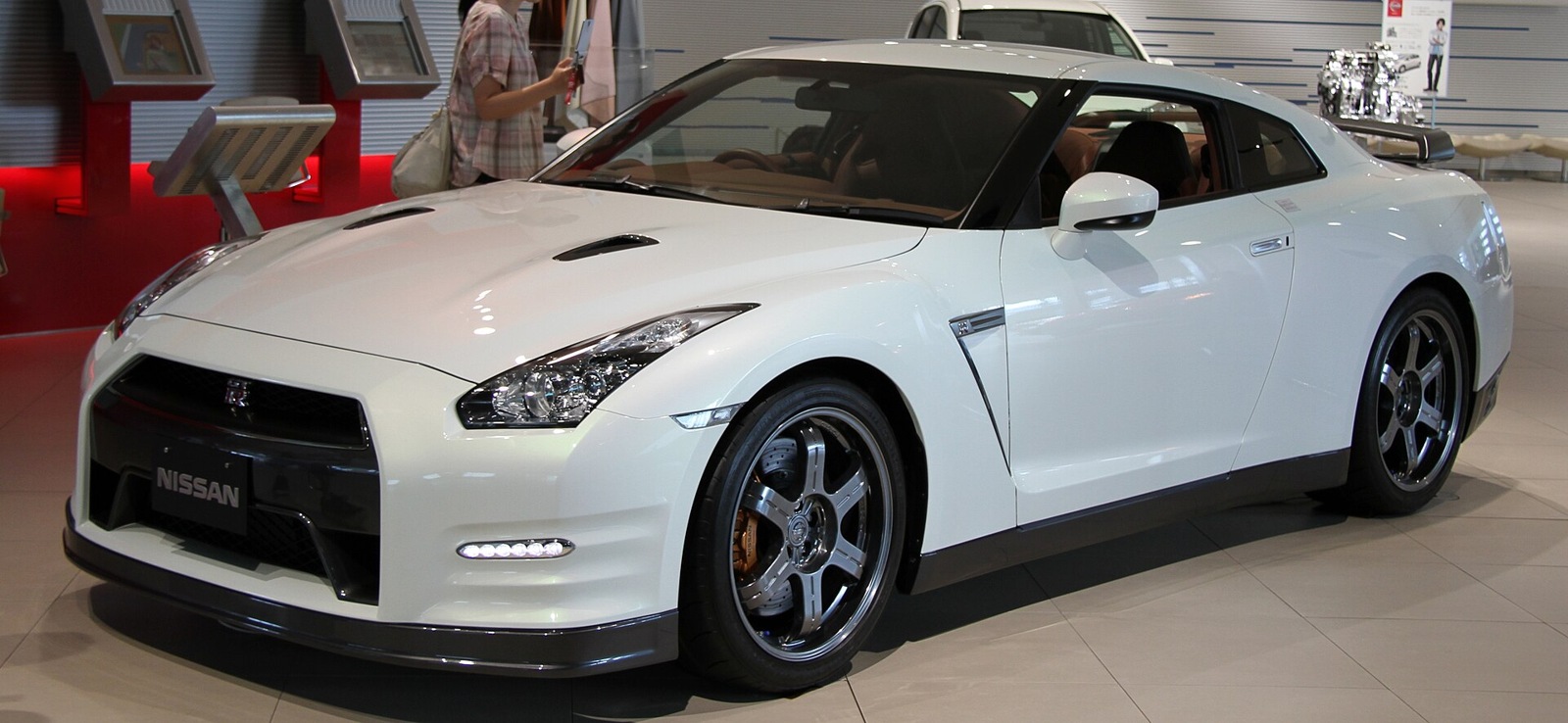
What the photograph represents
GT-R EGOIST identified by its photographer as a 2012 example. Later programme reference; it is not presented as the original November 2010 delivery car.
Related Nissan heritage profiles
- 2011 Nissan GT-R For TRACK PACK — Original Japanese Programme
- 2016 Nissan GT-R 45th Anniversary Gold Edition — US
Frequently asked questions
Why is a 2011-model-year car dated 2010 here?
The Japanese launch was announced in October 2010, with sales beginning that November.
Does a retrimmed Premium become an EGOIST?
No. Original factory programme identity requires the appropriate order and delivery evidence.
What is the production-count boundary for this profile?
Verified bespoke EGOIST factory identity. No numbered allocation or completed worldwide count is invented. The Japanese launch year, later model years and individual registration dates describe the programme's chronology, not additional editions.
Sources and further reading
Research checked 16 October 2026. Manufacturer records support identity and the specifically attributed historical figures. Photographic descriptions identify the illustrated subject. Design analysis and suggested authentication steps are editorial interpretation.
Built in limited numbers
Verified bespoke EGOIST factory identity. No numbered allocation or completed worldwide count is invented. The Japanese launch year, later model years and individual registration dates describe the programme's chronology, not additional editions.
Gallery
Specifications
Factory specifications may vary by model year, market and configuration.
Identity & production
- Official model
- Nissan GT-R EGOIST
Sources and verification
Source citations are being prepared for this profile.