2010 GMC Granite Concept
Discover the 2010 GMC Granite Concept: urban utility design, turbocharged powertrain proposal, corrected history and a credited Washington show photo.
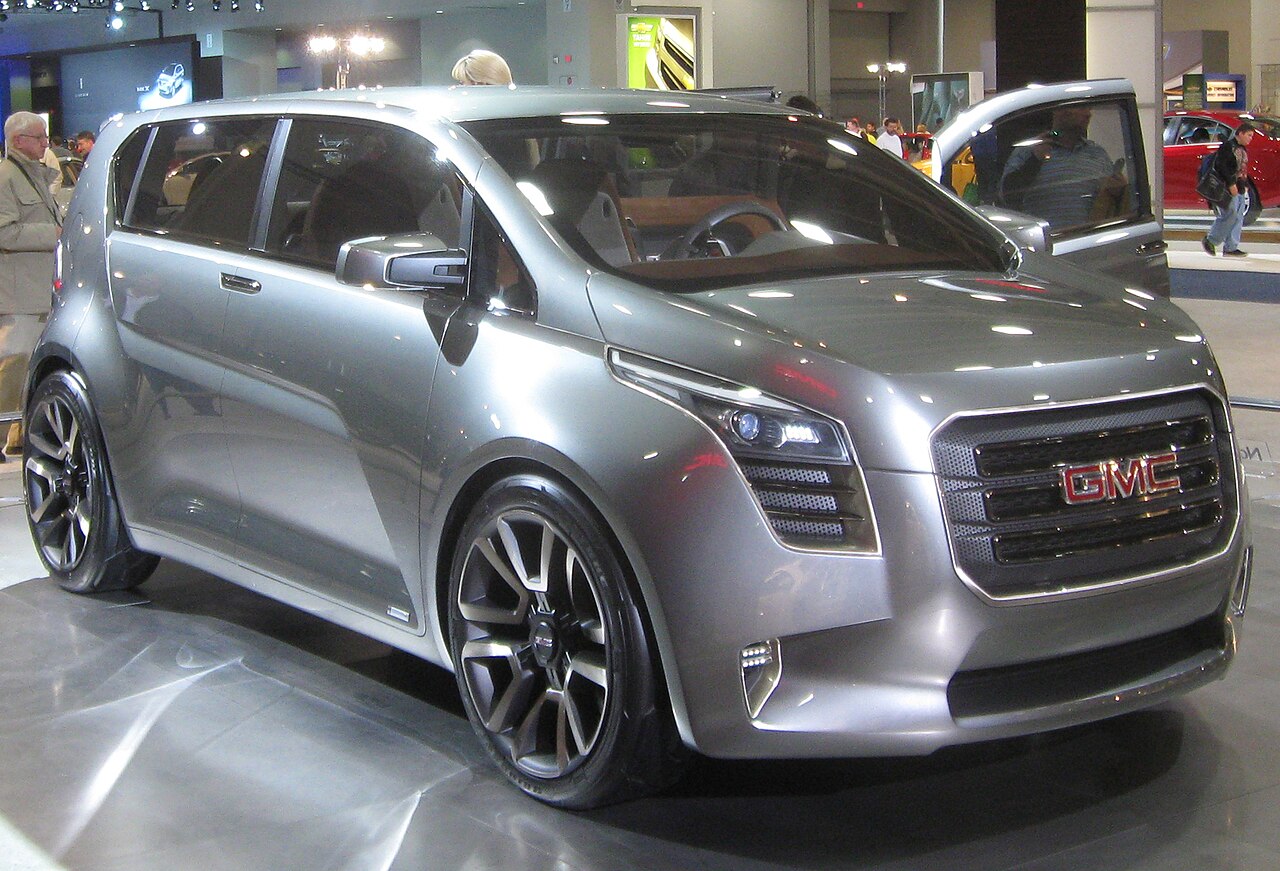
GMC introduced Granite at the 2010 North American International Auto Show as a compact urban utility concept.
History and purpose
GMC introduced Granite at the 2010 North American International Auto Show as a compact urban utility concept. The manufacturer’s January 11 release establishes the date and makes clear that the project explored a possible direction for the brand. It does not announce a numbered customer edition. This corrects the 2007 date attached to the earliest Granite row in the workbook. The later 2010 row describes the same subject and is consolidated here. A single profile keeps that historical identity coherent while avoiding a fictional additional car created by a duplicate spreadsheet entry. The complete physical fabrication tally remains unknown.
Design and engineering
In the Washington Auto Show photograph, Granite has a short, upright body and a strongly drawn front end. Its high side surfaces contrast with the narrow glazing, while the wheel design gives the little vehicle a more assertive stance. The front lamps and grille form a recognizable face without relying on the long bonnet of a conventional pickup. These are visible design observations. GMC’s release supplies the separate technical proposal: a small turbocharged four-cylinder paired with a six-speed transmission using dual-clutch technology. The same release describes opposing door hinges and a pillar-free side opening. Those features explain the intended utility, but the closed-door photograph cannot demonstrate their operating condition.
Identifying the original configuration
Granite is an especially clear case for separating a concept’s identity from its exhibition history. The supplied image was taken at the 2010 Washington show, after the Detroit introduction. That second venue does not make it another production programme. Identify the body through the compact profile, distinctive front lighting and grille, then attach the actual photographer and event to the image. Keep the erroneous 2007 heading and duplicate inventory reference as lookup aliases. A future document identifying a specific construction number would belong in a physical-object record, with its provenance stated, rather than being inferred from the number of appearances or photos.
Collector context and preservation
A collection can use Granite to examine how a truck brand communicates utility at a smaller scale. The relationship between body height, wheel position and window area makes the photograph useful even before a reader reaches the engineering table. Compare it with Graphyte for an enclosed-body study, or with the Suburban Carrier for a broader discussion of what makes a GMC recognizable. Such comparisons concern visual language and programme purpose; they do not establish a direct production lineage. For preservation, prioritize a complete sequence of exterior, cabin and open-door photographs, recording the mechanisms separately. That approach preserves the concept’s practical idea as well as its outward appearance.
Reading the evidence for this profile
The original source links below identify the programme and the historical statements used in this article. The photograph has its own creator and licence record, separate from the manufacturer’s vehicle history. Keep both when transferring this profile into a collection catalogue. A manufacturing tally describes how many cars belong to a defined original programme; it does not measure how many survive, how many are publicly visible, or how many retain all their original components. Those individual questions require dated chassis and restoration evidence. The reference year likewise describes the programme’s introduction or named historic configuration, while the supplied caption states the photographed setting and any established individual identity. This lets future research expand the car’s history without blurring the scope of the record already assembled here.
Specifications and verified rarity
| Reference year | 2010 |
|---|---|
| Model / programme | Granite Concept |
| Body / role | Compact urban utility concept |
| Documented engine | 1.4-litre turbocharged four-cylinder in the announced specification |
| Architecture / transmission | Six-speed automatic with dual-clutch technology in the original concept proposal |
| Exact manufacturing tally | Not established |
| Eligibility bound | Physical concept archive scope; tally unknown |
| Rarity scope | Physical 2010 GMC Granite concept archive. Original workbook GMC-088 uses an erroneous 2007 date; GMC-093 is consolidated into this same identity. Complete fabrication tally unknown; no extra vehicle counted for a second show or heading. |
| Inventory reference | GMC-088 — Verified |
Frequently asked questions
What is the GMC Granite Concept?
A physical GMC compact urban utility concept introduced in January 2010. The workbook’s 2007 and 2010 Granite rows are one consolidated programme identity.
What engineering defines this GMC?
1.4-litre turbocharged four-cylinder in the announced specification. Six-speed automatic with dual-clutch technology in the original concept proposal. These are the documented programme or preserved-concept specifications. Connect an individual vehicle’s installed components to its own dated records before assigning a factory configuration to that particular example.
Why is 2010 the reference year?
It identifies the introduction or original historical configuration described in this article. The photograph can show a later example or a later display of the original subject. The source inventory’s original heading remains an identity alias wherever the date or model name has been corrected.
How should an individual Granite Concept be documented?
Start with the chassis identity and connect it to dated construction, registration or custodial records. Keep exterior, interior, engine and underbody photographs together. Record changes to finish, equipment and mechanical specification as separate events, so the physical car’s history can grow without changing the definition of the original programme.
What rarity or archive scope is verified?
Physical 2010 GMC Granite concept archive. Original workbook GMC-088 uses an erroneous 2007 date; GMC-093 is consolidated into this same identity. Complete fabrication tally unknown; no extra vehicle counted for a second show or heading.
Who took the supplied photograph?
IFCAR via Wikimedia Commons, under Public domain. The original file and licence links accompany the image. Retain that credit when the photograph is uploaded, exported or reused.
Related GMC profiles
Sources and photo credits
Photograph: IFCAR via Wikimedia Commons original file, Public domain. Source-provided photograph supplied without local cropping, retouching or text removal. A source thumbnail is used where available. GMC Granite concept at the 2010 Washington Auto Show. The original 2007 workbook date is corrected and GMC-093 is protected as a duplicate alias.
Built in limited numbers
Physical 2010 GMC Granite concept archive. Original workbook GMC-088 uses an erroneous 2007 date; GMC-093 is consolidated into this same identity. Complete fabrication tally unknown; no extra vehicle counted for a second show or heading.
Gallery
Specifications
Factory specifications may vary by model year, market and configuration.
Identity & production
- Official model
- Granite Concept