2006 Lotus APX Running Prototype
Explore the 2006 Lotus APX Running Prototype: programme history, design, verified rarity scope, specifications and credited photography.
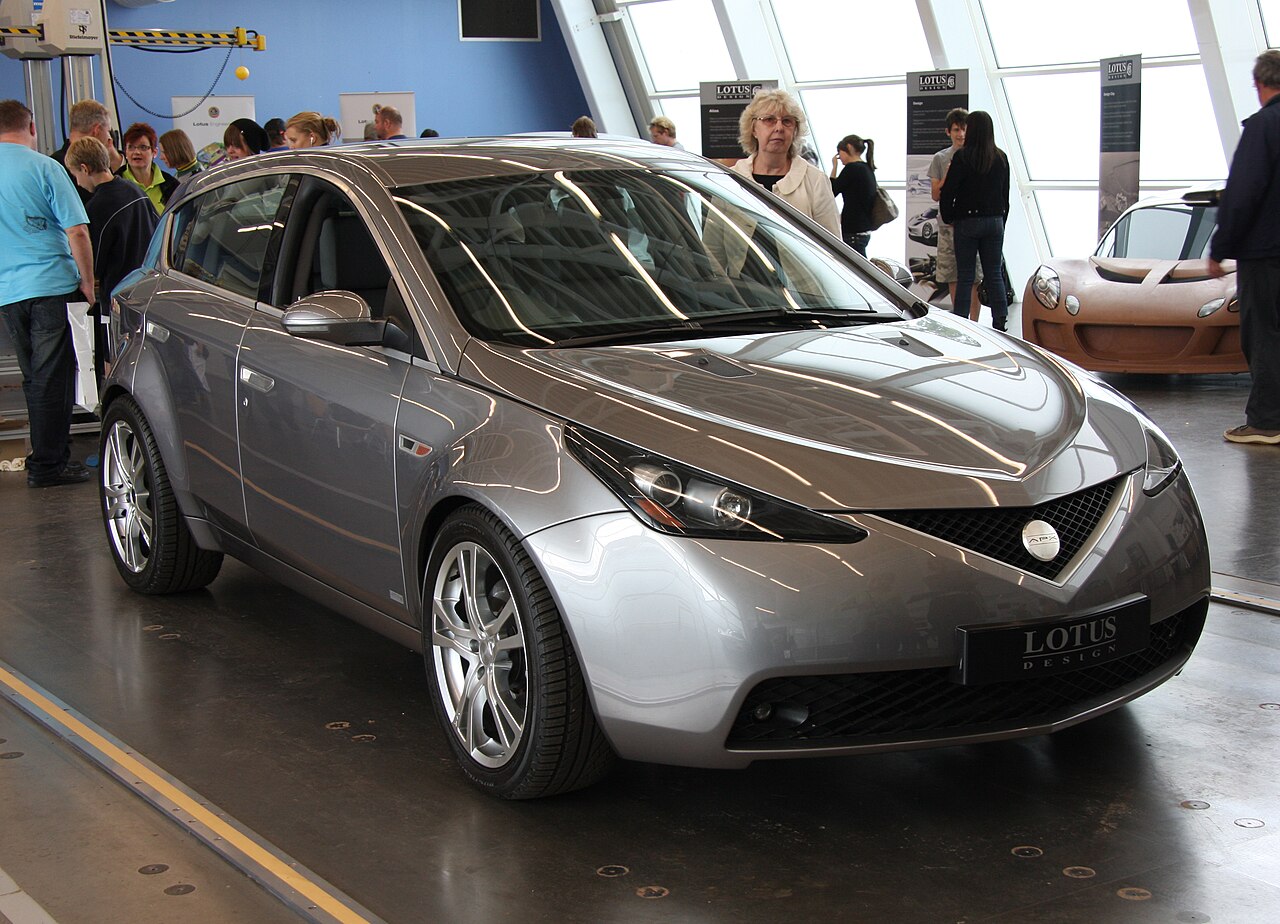
The Lotus APX presents a crossover-shaped engineering prototype within the marque’s development archive. Its 2006 Geneva identity and later exact exhibit photograph are kept separate from series-production road cars.
History and verified programme identity
The official Japanese Lotus heritage account identifies APX as a running prototype introduced at Geneva in 2006 and expands its name as Aluminium Performance Crossover. Its development context follows the earlier Versatile Vehicle Architecture study. This is a physical engineering programme, not a numbered customer edition. The supplied image identifies the actual APX at a later Lotus anniversary display in 2008. Neither that later exhibition nor the singular concept name establishes an independently audited worldwide fabrication census. The running-prototype description comes from the manufacturer account; the exterior photograph does not independently test its operation.
Engineering and design
APX’s visibly taller enclosed body offers a useful contrast with the low two-seat road cars usually associated with Lotus. A high roof, substantial door openings and crossover proportions give the architecture study a different packaging problem. Those visible characteristics can be described without assigning uninspected drivetrain components or importing specifications from an unrelated SUV. The manufacturer identifies the engineering context and running-prototype status. A detailed technical history would add construction and test documentation to establish how the physical vehicle embodied that study. For this archive, the supported programme identity remains separate from projected customer production or a future vehicle family.
The physical car in the supplied photograph
Brian Snelson’s photograph shows the silver Lotus APX indoors during the marque’s 60th-anniversary celebrations in September 2008. The tall enclosed prototype body is visible in a front-quarter display view. This later exhibit appearance is not captioned as the original 2006 Geneva reveal.
A closer look at the design
The indoor front-quarter photograph gives APX a concrete shape within a wider engineering story. Its roof and side-body proportions differ markedly from an Elise or Esprit, making the crossover packaging clear without a technical cutaway. The later anniversary setting also shows why a programme chronology should distinguish reveal, testing and public display. The official account identifies the original running prototype, whereas the creator’s file documents a subsequent appearance. A complete engineering history could connect those milestones with workshop and test evidence. The archive retains that opportunity without asserting a production outcome, assuming all components remained unchanged, or treating repeated exhibitions as additional manufacturing events.
Collecting and chassis evidence
A prototype record should follow the engineering vehicle’s physical identity, test history and subsequent preservation. Public appearances help establish where the subject was displayed but do not automatically represent different newly constructed cars. The manufacturer’s running description also needs its original context; it is not proof that every system remains operational today. Preserve architecture documents, programme photographs and component changes in one dated sequence. APX belongs in a development archive where such evidence can be added, rather than in a retail allocation table or an invented one-of-one manufacturing claim based solely on a familiar concept name.
Related Lotus designs and meaningful comparisons
The City Car illustrates another engineering study with a markedly different physical scale, while Eterne represents a later concept proposal for an enclosed passenger car. Comparing their visible forms helps explain distinct packaging goals without claiming that they share an actual production platform or completed manufacturing tally.
Reading the sources
The programme sources and the photograph answer different questions. Manufacturer and custodial records establish the original model, Type, category and published production scope. The creator’s file establishes the pictured subject, setting and image permission. An individual chassis history can then add ownership, competition entries and dated repairs without changing the scope of the original programme. Build references are not survivor counts, and a later specification does not automatically become an additional newly manufactured vehicle. Where primary evidence does not establish a complete fabrication census, that field remains unassigned.
Specifications and rarity evidence
| Programme reference year | 2006 |
|---|---|
| Model / Type | APX Running Prototype — APX / Versatile Vehicle Architecture study |
| Body / competition role | Aluminium Performance Crossover engineering prototype |
| Programme introduction | 2006 Geneva |
| Name expansion | Aluminium Performance Crossover |
| Manufacturer classification | Running prototype |
| Engineering context | Versatile Vehicle Architecture study |
| Photo event | Lotus 60th anniversary, 2008 |
| Published build / register reference | No complete tally assigned |
| Independently audited completed tally | Not assigned |
| Count scope | Verified physical concept or prototype with exact licensed exhibit photo. Proposed specifications and production dates remain proposals. No series-production total or independent worldwide one-off fabrication audit assigned. |
| Original inventory status | LOT-132 — Verified |
Frequently asked questions
Was APX a series-production Lotus road car?
No. The manufacturer identifies the 2006 APX as a running engineering prototype. This record archives that physical programme and its later exhibit photo without assigning customer production.
How is APX Running Prototype classified?
This is a physical Lotus concept programme, separate from road production. Proposed equipment and production plans are distinguished from documented physical exhibits and verified operating hardware.
Which technical details are established for the programme?
The primary record supports programme introduction: 2006 Geneva; name expansion: Aluminium Performance Crossover; manufacturer classification: Running prototype. These are programme or explicitly attributed photo references. A particular surviving car’s engine, chassis repairs and competition preparation require its own dated documentation.
Does the photographed appearance establish factory originality?
The caption records a real creator-identified APX Running Prototype subject and its documented setting. It establishes the illustration’s scope, while original components, restoration work and individual race provenance require chassis-specific evidence. A competition number, current paint or museum display is not used as an originality certificate.
What rarity or archive scope is verified?
Verified physical concept or prototype with exact licensed exhibit photo. Proposed specifications and production dates remain proposals. No series-production total or independent worldwide one-off fabrication audit assigned.
Who photographed the supplied image?
Brian Snelson via Wikimedia Commons, under CC BY 2.0. The original file and licence are linked with the image. Retain the creator, source and licence when uploading, exporting or reusing it; local retouching and synthetic enlargement have not been performed.
Related Lotus profiles
Sources and photo credits
Photograph: Brian Snelson via Wikimedia Commons original source, CC BY 2.0. Source-provided thumbnail supplied without local cropping, retouching or synthetic enlargement.
Built in limited numbers
Verified physical concept or prototype with exact licensed exhibit photo. Proposed specifications and production dates remain proposals. No series-production total or independent worldwide one-off fabrication audit assigned.
Gallery
Specifications
Factory specifications may vary by model year, market and configuration.
Identity & production
- Official model
- APX Running Prototype