1991 Mitsubishi HSR-III
Explore HSR-III: factory identity, history, specifications, rarity evidence, identification notes and credited photos.
HSR-III belongs to Mitsubishi’s research-concept tradition, where a complete physical vehicle explored an idea beyond a normal catalogue model. The surviving museum car is a particularly useful record because its shape and interior can be studied directly. This profile keeps the physical concept separate from production Mitsubishi sports cars and from the other HSR iterations.
The identity of the third HSR
The subject is the HSR-III identified in Mitsubishi’s concept history and photographed in its collection. The Roman numeral is essential. A photograph, specification or claim associated with another HSR does not automatically describe this car. The 1991 reference identifies this concept’s place in the sequence; it is not a customer model year or evidence that a numbered road series was offered.
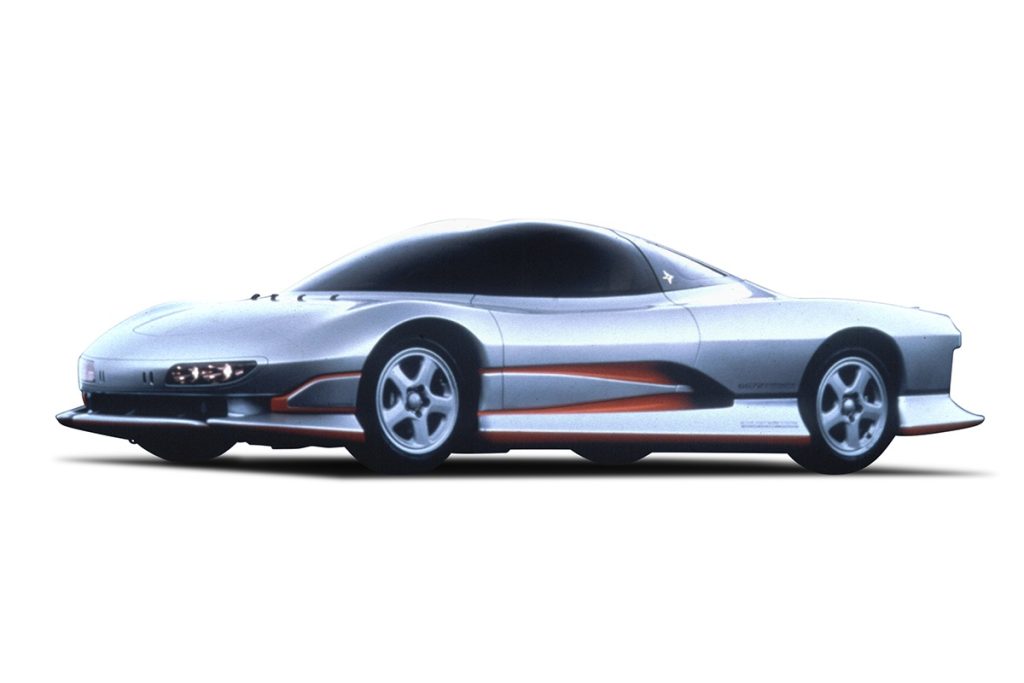
Andrea Volpato: HSR-III period photographic record at Bologna
A shape designed to be read as a whole
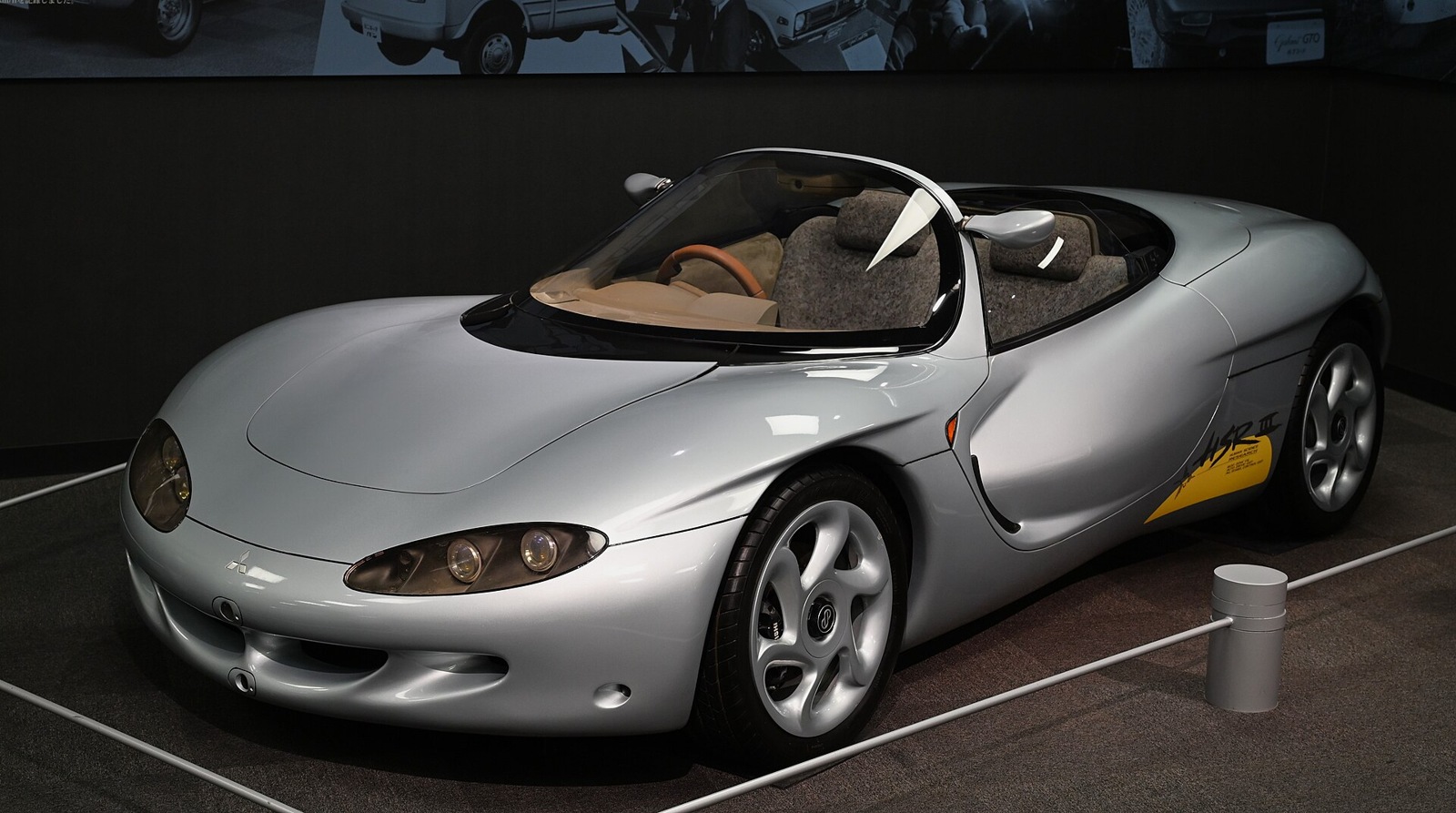
The museum photograph shows a low, silver body with a dark windscreen and a distinctive treatment of the rear upper body. These visible elements give the car an identity even without attaching an unsupported performance claim. As a visual interpretation, the uninterrupted surfaces make the body appear more like one sculpted object than a conventional sedan with separate styling accessories. That is an observation about the photographed design.
Andrea Volpato: HSR-III period photographic record at Bologna
The cabin as part of the concept
The separate interior photograph by the same museum photographer provides another view of the physical object. For a concept vehicle, cabin architecture can be as significant as the exterior silhouette. The relationship between controls, seats and visibility helps explain what the designers chose to investigate. Any claim about a working electronic feature, however, requires contemporary technical documentation rather than an inference from the presence of a screen or switch.
Research equipment and production claims
A concept can contain experimental hardware, display components and later conservation work. Those categories should not be collapsed into a conventional production specification sheet. This record therefore does not assign uncorroborated engine output, acceleration or a customer production quantity. The documented physical identity is sufficient for an archive entry; technical figures can be added when the corresponding original evidence is available.
Andrea Volpato: HSR-III period photographic record at Bologna
A useful place in the Mitsubishi archive
Compare HSR-III with HSR-V to see how different physical objects can belong to one research lineage. Compare it with Concept-X to see another kind of concept record, one framed around a recognisable future performance sedan. These are editorial comparisons of purpose and appearance, not assertions that the cars share a chassis or that one directly became the other.
Specification and identity reference
| Reference year | 1991 |
|---|---|
| Identity | HSR-III, third HSR iteration |
| Documented object | Physical Mitsubishi concept in museum photography |
| Production classification | Concept archive; customer series not assigned |
| Technical figures | Not entered without an inspected original technical record |
Rarity and production scope
Documented physical concept or competition-development archive identity. No customer road-production quantity or audited prototype-build census assigned.
This record belongs to the concept and competition archive. Exhibition quantities and prototype activity are excluded from customer road-production totals.
Identifying the documented subject
Match the complete model name, date and programme to the linked evidence. Keep any chassis-specific provenance separate from a general description of the model. A period image confirms what was photographed, while a production or technical claim requires the corresponding document.
Comparisons and related profiles
Continue through these connected Mitsubishi records, each with its own factory identity and production scope.
Frequently asked questions
Was this a numbered customer production edition?
No customer series is assigned in this record. It covers the documented physical concept or competition programme; a motor-show display count does not establish the total number of engineering builds.
Does the title date match every photograph?
1991 is the documentary reference used for the profile. A later exhibition or museum photograph can show the same programme. Its caption identifies the photographic scope without creating another edition.
Sources and further reading
- Andrea Volpato: HSR-III period photographic record at Bologna
- TTTNIS: physical HSR-III in the Mitsubishi collection
- TTTNIS: HSR-III interior photographic record
Research checked 15 October 2026. Factory literature, independent EPC-derived records and photographic evidence are identified separately. Design readings and documentation guidance are editorial interpretation.
Built in limited numbers
Documented physical concept or competition-development archive identity. No customer road-production quantity or audited prototype-build census assigned.
Gallery
Specifications
Factory specifications may vary by model year, market and configuration.
Identity & production
- Official model
- Mitsubishi HSR-III
Sources and verification
Source citations are being prepared for this profile.