2019 Lotus Evija
Explore the 2019 Lotus Evija: programme history, design, verified rarity scope, specifications and credited photography.
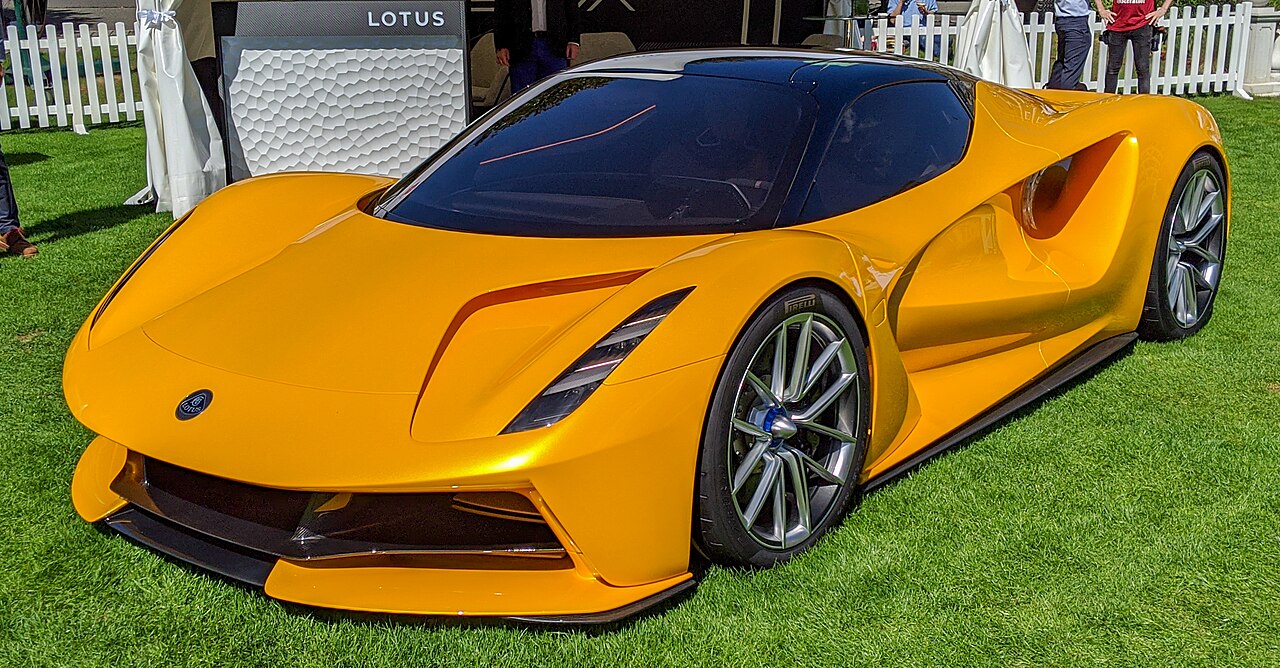
The Lotus Evija introduces a battery-electric hypercar programme with a stated 130-car ceiling. Its sculpted body and four-wheel electric layout mark a different chapter from the V6 Lotus road cars.
History and verified programme identity
Unveiled in 2019, Evija uses the project designation Type 130, echoed by the announced production limit. A ceiling does not mean that all reserved or intended cars have been completed. The profile records the programme and its limit while leaving audited finished output unassigned. Its supplied photograph records a standard Evija exhibit in 2020, without substituting the track-focused Evija X or an individually named tribute edition. Technical descriptions have developed since the original reveal. Later marketing references should therefore stay dated instead of being retroactively attached to every early show car or assumed to certify its operating specification.
Engineering and design
The electric layout uses motors to drive all four wheels, with a carbon-fibre structural approach and a mid-mounted battery concept. Sculpted openings through the rear body make airflow a central design feature. These visible channels help readers understand the styling, while the installed battery capacity and software require technical documents. Published output, range and acceleration figures are manufacturer targets or stated references with their own conditions. A photo of an exhibit does not establish that each was achieved by the photographed car. Preserve the original and later specifications separately when comparing Evija with conventional mid-engined Lotus programmes. Model-specific factory parts documentation is useful when an original component has been superseded. Record the replacement and its date rather than assuming every current part was fitted when the programme began. This keeps an archive comparison tied to original identity while allowing a surviving or exhibited car to have its own maintenance and configuration history.
The physical car in the supplied photograph
Chelsea Jay photographed this yellow 2020 Evija exhibit at London Concours. It shows the standard programme’s front-quarter body and air-channel design, without establishing a completed customer delivery or special-edition identity.
Identifying the original configuration
An Evija archive needs a dated specification history because development and published claims can change between reveal and delivery. Connect an individual chassis with its actual delivered configuration before applying a later output or battery figure. Keep programme reservations, announced limits and completed cars in separate fields. Fittipaldi and X are named branches with distinct identities; a similar colour or a later event date is not sufficient to reclassify this standard exhibit. The source image supplies a real physical illustration and licence, while the factory record establishes the programme ceiling. No completion census is inferred from the choice of project number.
Collecting and chassis evidence
A useful Evija history starts with the original model identity and dated factory specification. Record the chassis number, delivery market, original engine and transmission, and any numbered edition plate separately. Preserve changes in a chronological record: replaced panels, altered suspension, remapped engines and revised aerodynamic parts can affect the present configuration without creating a second original factory vehicle. Early invoices and photographs help distinguish an original edition from a later cosmetic recreation. A specialist inspection should connect those records to the car, especially its structure, mounting points and model-specific parts. A low programme volume makes careful documentation more useful; it does not establish the condition or completeness of an individual example.
Related Lotus designs and meaningful comparisons
Type 66 offers a contrasting limited programme built around a revived historic design. Theory 1 shows how Lotus explores electric design ideas in a concept archive rather than a numbered customer programme.
Reading the sources
The programme sources and the photograph answer different questions. Manufacturer and custodial records establish the original model, Type, category and published production scope. The creator’s file establishes the pictured subject, setting and image permission. An individual chassis history can then add ownership, competition entries and dated repairs without changing the scope of the original programme. Build references are not survivor counts, and a later specification does not automatically become an additional newly manufactured vehicle. Where primary evidence does not establish a complete fabrication census, that field remains unassigned.
Specifications and rarity evidence
| Programme reference year | 2019 |
|---|---|
| Model / Type | Evija — Evija / Type 130 |
| Body / competition role | Mid-engined road sports car |
| Reveal | 2019 |
| Manufacturer Type | 130 |
| Powertrain | Battery-electric, four-wheel drive |
| Limit | 130 maximum announced |
| Photo context | London Concours 2020 exhibit |
| Published build / register reference | 130 maximum announced |
| Independently audited completed tally | Not assigned |
| Count scope | Factory planned ceiling of 130 for the Evija programme. Announced ceiling is not an audited completed total. Launch targets and later published specifications kept separate; X and Fittipaldi identities not substituted for photographed standard exhibit. |
| Original inventory status | LOT-172 — Verified |
Frequently asked questions
Does the Evija limit mean 130 cars are proven completed?
No. It is a stated programme maximum. Completed manufacture requires separate evidence and remains unassigned here.
How is Evija classified?
This is a named original Lotus road-car programme. Its qualified source references fall below the 7,500 screening threshold. Completed production, announced allocations and survivor counts remain distinct, with any unresolved differences explained in the article.
Which technical details are established for the programme?
The primary record supports reveal: 2019; manufacturer type: 130; powertrain: Battery-electric, four-wheel drive. These are programme or explicitly attributed photo references. A particular surviving car’s engine, chassis repairs and competition preparation require its own dated documentation.
Does the photographed appearance establish factory originality?
The caption records a real creator-identified Evija subject and its documented setting. It establishes the illustration’s scope, while original components, restoration work and individual race provenance require chassis-specific evidence. A competition number, current paint or museum display is not used as an originality certificate.
What rarity or archive scope is verified?
Factory planned ceiling of 130 for the Evija programme. Announced ceiling is not an audited completed total. Launch targets and later published specifications kept separate; X and Fittipaldi identities not substituted for photographed standard exhibit.
Who photographed the supplied image?
Chelsea Jay via Wikimedia Commons, under CC BY-SA 4.0. The original file and licence are linked with the image. Retain the creator, source and licence when uploading, exporting or reusing it; local retouching and synthetic enlargement have not been performed.
Related Lotus profiles
Sources and photo credits
Photograph: Chelsea Jay via Wikimedia Commons original source, CC BY-SA 4.0. Source-provided thumbnail supplied without local cropping, retouching or synthetic enlargement.
Built in limited numbers
Factory planned ceiling of 130 for the Evija programme. Announced ceiling is not an audited completed total. Launch targets and later published specifications kept separate; X and Fittipaldi identities not substituted for photographed standard exhibit.
Gallery
Specifications
Factory specifications may vary by model year, market and configuration.
Identity & production
- Official model
- Evija