1972 Lotus Europa Special
Explore the 1972 Lotus Europa Special: programme history, design, verified rarity scope, specifications and credited photography.
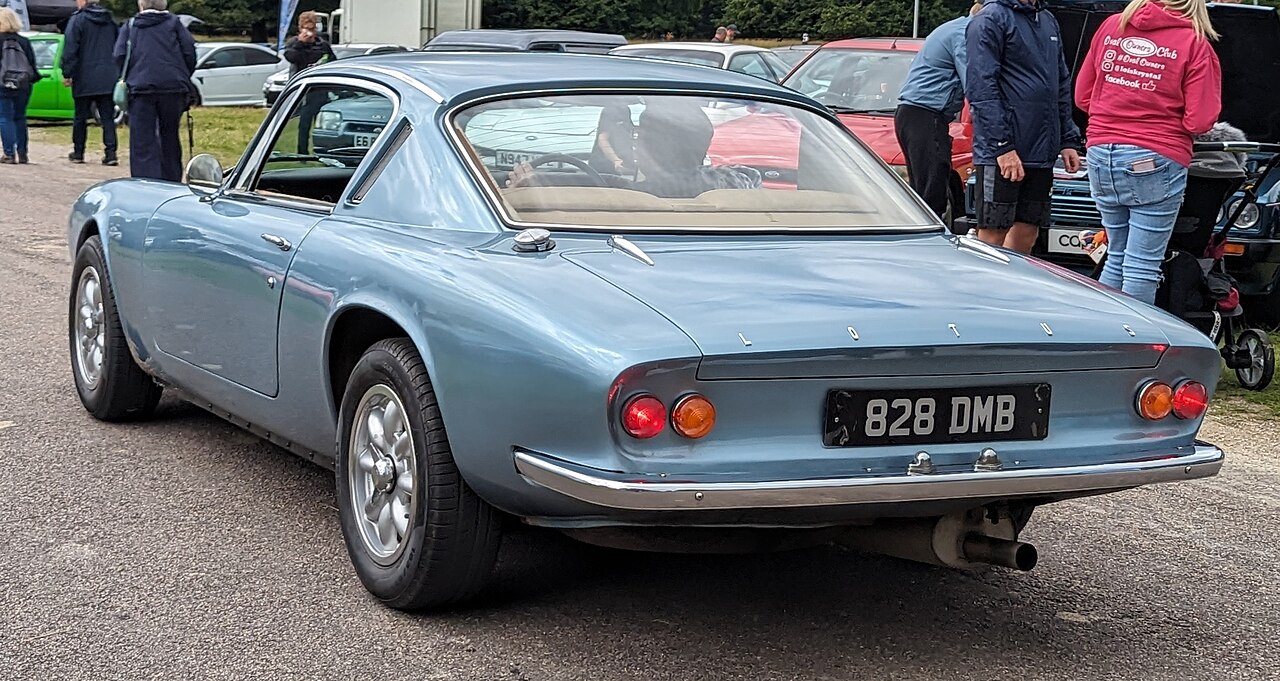
The Lotus Europa Special develops the Twin Cam road coupe into the later Big Valve programme. A source-identified Special photograph accompanies a qualified production account, with ordinary Specials kept distinct from claims about a numbered JPS allocation.
History and verified programme identity
Lotus’s heritage account identifies the Europa Special and the early black-and-gold commemorative theme introduced in September 1972. RM Sotheby’s separately reports 3,130 Specials within a broader Type 74 road-car production account. That figure is retained as a custodial published reference. The chronology establishes why this later programme needs its own profile after the earlier Twin Cam, but the Special tally cannot prove how many examples received an original numbered JPS plaque. The pictured 1973 car is an ordinary source-identified Special illustration, not a certificate for the separate workbook JPS row.
Engineering and design
The Big Valve engine distinguishes the later mechanical programme from the preceding Twin Cam specification. The maker’s narrative describes the Europa family as mid-engined and associates its later Lotus power with up to 126 horsepower. Exact transmission and market specification need to be connected to a car’s delivery record. In the supplied rear view, the low cabin and broad engine-cover area preserve the road Europa’s familiar layout. The visible shape alone cannot prove a cylinder head, original gearbox or dashboard allocation. Those remain documentary details rather than conclusions inferred from the body.
The physical car in the supplied photograph
Calreyn88’s photograph shows a light-blue, source-titled 1973 Europa Special from the rear quarter at an outdoor gathering in July 2023. The compact cabin, broad rear deck and four round rear lamps are visible. Its colour is retained as the photographed example’s appearance; the image is not captioned as a numbered black-and-gold JPS car.
A closer look at the design
The rear view is useful because it keeps the illustration focused on the physical Europa rather than a sponsor colour scheme. Its cabin and rear deck show the car’s packaging, while the source title identifies the Special variant. The maker’s history supplies the commemorative connection, but this particular photograph does not establish a numbered place in that scheme. For a collector profile, that separation improves both accuracy and usefulness: the reader can recognize the later car, understand its mechanical relationship with the Twin Cam and know what evidence a JPS claim would require. A black repaint would change the current appearance; it would not by itself change original manufacture. Likewise, a published Special count remains a model reference rather than a count of the plaque-bearing subgroup.
Collecting and chassis evidence
For a Special, original model identification comes before a search for commemorative equipment. Record the chassis, market delivery and engine specification, then establish whether a claimed plaque was originally fitted. A badge or later colour scheme cannot create a factory allocation history. The reported 3,130 reference explains the wider Special programme’s rarity context without turning it into a survivor census. The earlier approximate Twin Cam figure and the Special figure are distinct source scopes; neither should silently become a count of every road car or racer carrying Type 74.
Related Lotus designs and meaningful comparisons
The earlier Europa Twin Cam is the direct comparison, while the Elan Sprint puts the engine-era relationship into a different roadster body. These profiles make the development readable without giving the Special a borrowed Elan production total. They also show why a car with the same broad twin-cam association can retain a different passenger layout and model identity.
Reading the sources
The programme sources and the photograph answer different questions. Manufacturer and custodial records establish the original model, Type, category and published production scope. The creator’s file establishes the pictured subject, setting and image permission. An individual chassis history can then add ownership, competition entries and dated repairs without changing the scope of the original programme. Build references are not survivor counts, and a later specification does not automatically become an additional newly manufactured vehicle. Where primary evidence does not establish a complete fabrication census, that field remains unassigned.
Specifications and rarity evidence
| Programme reference year | 1972 |
|---|---|
| Model / Type | Europa Special — Type 74 |
| Body / competition role | Big Valve mid-engined two-seat coupe |
| Special introduction reference | September 1972 |
| Powertrain programme | Later Lotus Big Valve twin-cam |
| Layout | Mid-engined two-seat coupe |
| Photo example | 1973 Europa Special |
| Published output source | RM Sotheby’s reported Special tally |
| Published build / register reference | 3130 |
| Independently audited completed tally | Not assigned |
| Count scope | Custodial reported Europa Special output 3,130, separate from approximately 1,580 earlier Twin Cam cars. No JPS-only tally or dashboard-number allocation assigned; original workbook Probable JPS row remains unchanged. Audited completed total and survivor census unassigned. |
| Original inventory status | LOT-071 — Verified |
Frequently asked questions
Does the supplied image verify a numbered JPS Europa?
No. It identifies a Europa Special. A JPS allocation needs original plaque and build evidence, and the separate Probable workbook row remains unchanged.
How is Europa Special classified?
This is a named original Lotus road-car programme. Its qualified source references fall below the 7,500 screening threshold. Completed production, announced allocations and survivor counts remain distinct, with any unresolved differences explained in the article.
Which technical details are established for the programme?
The primary record supports special introduction reference: September 1972; powertrain programme: Later Lotus Big Valve twin-cam; layout: Mid-engined two-seat coupe. These are programme or explicitly attributed photo references. A particular surviving car’s engine, chassis repairs and competition preparation require its own dated documentation.
Does the photographed appearance establish factory originality?
The caption records a real creator-identified Europa Special subject and its later setting. It establishes the illustration’s scope, while original components, restoration work and individual race provenance require chassis-specific evidence. A competition number, current paint or museum display is not used as an originality certificate.
What rarity or archive scope is verified?
Custodial reported Europa Special output 3,130, separate from approximately 1,580 earlier Twin Cam cars. No JPS-only tally or dashboard-number allocation assigned; original workbook Probable JPS row remains unchanged. Audited completed total and survivor census unassigned.
Who photographed the supplied image?
Calreyn88 via Wikimedia Commons, under CC BY-SA 4.0. The original file and licence are linked with the image. Retain the creator, source and licence when uploading, exporting or reusing it; local retouching and synthetic enlargement have not been performed.
Related Lotus profiles
Sources and photo credits
Photograph: Calreyn88 via Wikimedia Commons original source, CC BY-SA 4.0. Source-provided thumbnail supplied without local cropping, retouching or synthetic enlargement.
Built in limited numbers
Custodial reported Europa Special output 3,130, separate from approximately 1,580 earlier Twin Cam cars. No JPS-only tally or dashboard-number allocation assigned; original workbook Probable JPS row remains unchanged. Audited completed total and survivor census unassigned.
Gallery
Specifications
Factory specifications may vary by model year, market and configuration.
Identity & production
- Official model
- Europa Special