BMW M2 CS — G87 Japanese Allocation
Explore BMW M2 CS: rarity, history, specifications, FAQs and credited photos.
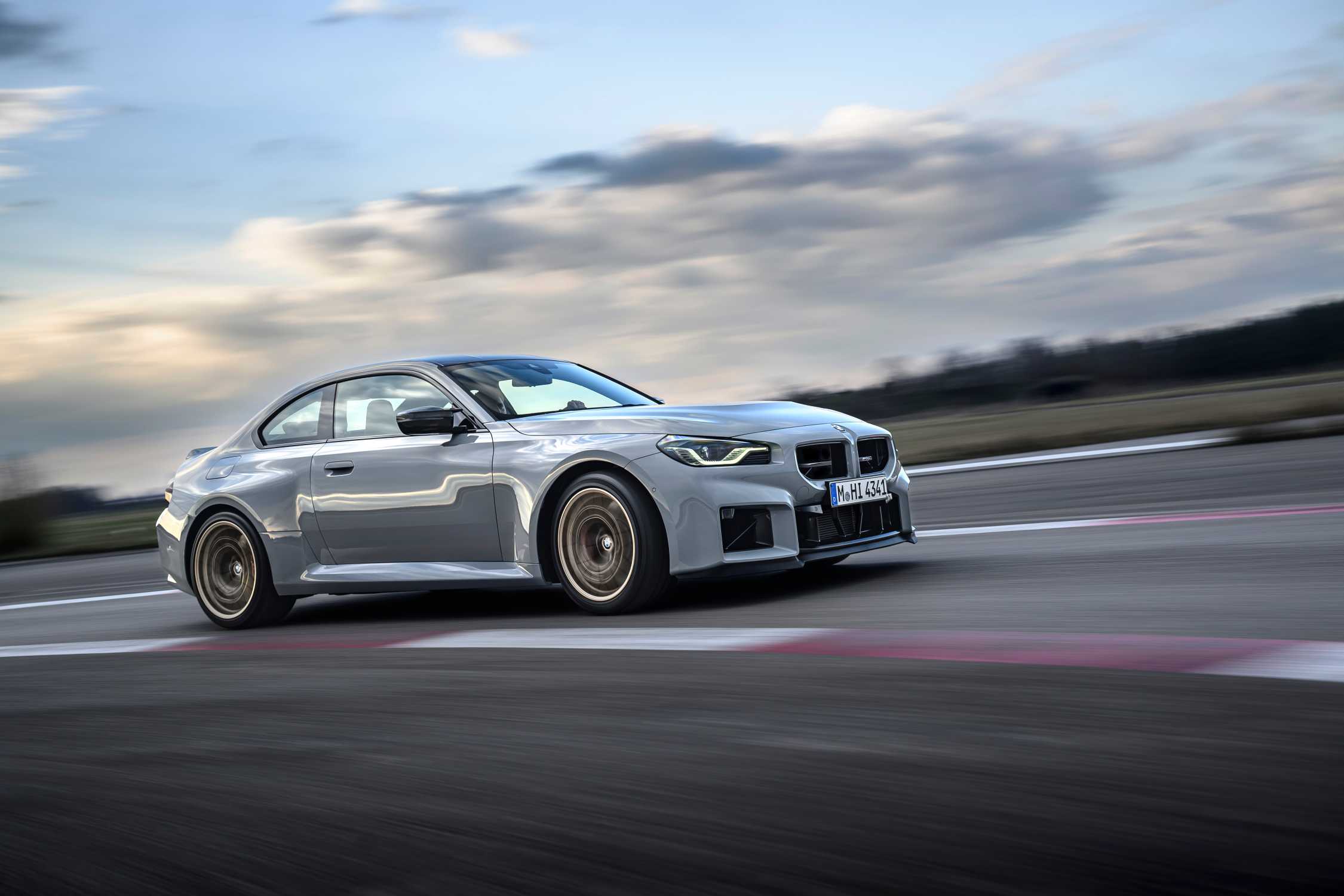
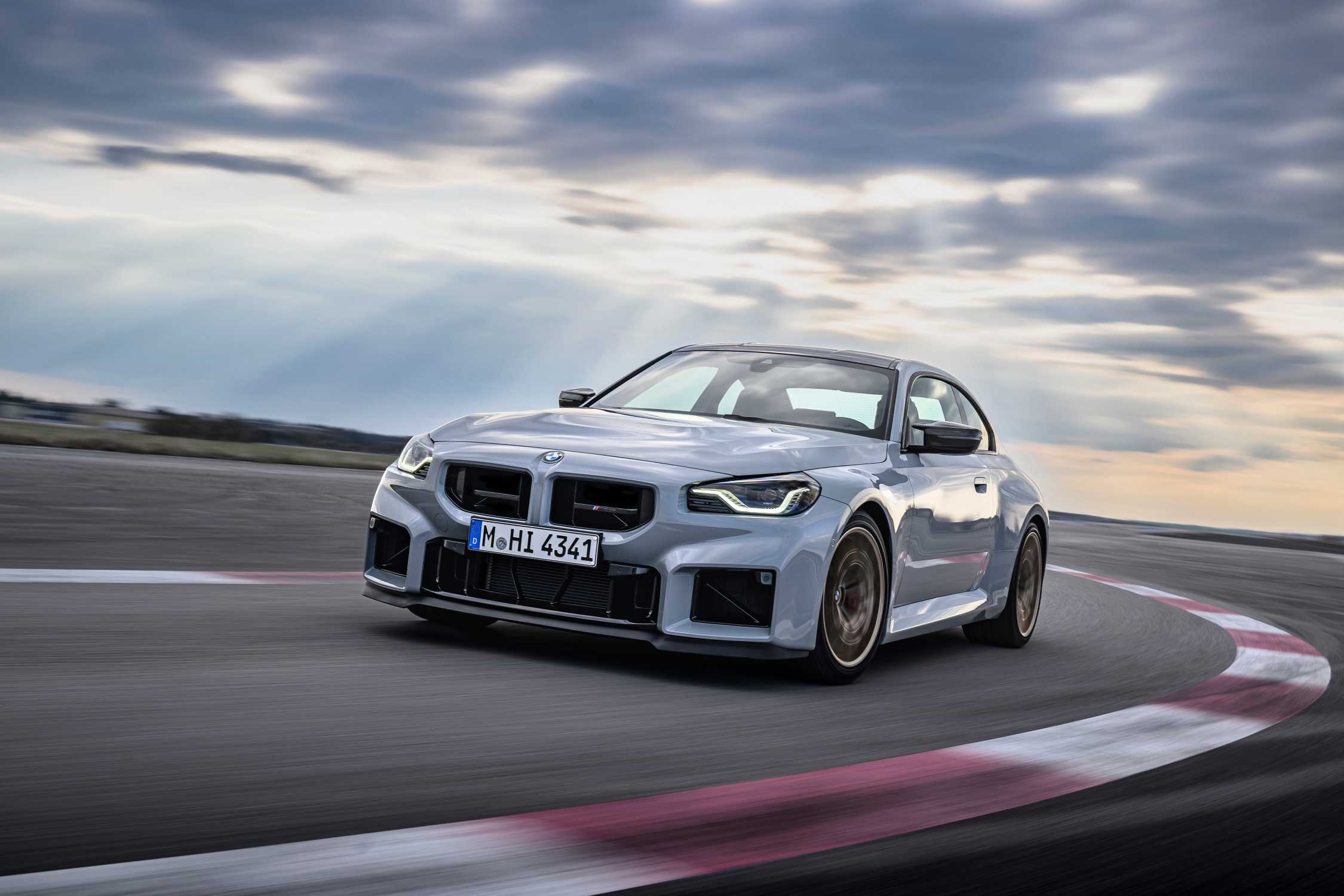
The G87 BMW M2 CS sharpened the second-generation M2 in 2025 through more power, carbon construction and a dedicated chassis configuration. This record documents the Japanese eighty-seven-car allocation, which BMW Japan announced for the model’s local introduction.
Record: BMW-138 · Japanese Competition Sport allocation · Germany · 2025.
Specifications and rarity
| Item | Documented reference and scope |
|---|---|
| Count and scope | 87 for Japan; worldwide completed total not established |
| Count source | BMW Japan announcement, October 29, 2025 |
| Engine reference | 3.0-litre twin-turbo inline-six; 390 kW / 530 metric hp |
| Transmission | Eight-speed M Steptronic; rear-wheel drive; Japan automatic only |
| Construction | Carbon roof and boot lid; approximately 30 kg reduction |
| Performance reference | European factory 0–100 km/h: 3.8 seconds |
Origins and history
The worldwide launch describes limited production without providing a precise global cap. A reported estimate of approximately two thousand is therefore not treated as a verified completed total. The documented eighty-seven applies to Japan alone, making the scope visible in the title, rarity table and structured fields.
Design and engineering
The global engine reference is 390 kW or 530 metric horsepower from a twin-turbo inline-six, with rear-wheel drive and an eight-speed M Steptronic gearbox. BMW describes approximately thirty kilograms of weight reduction and extensive carbon components, including the roof and boot lid.
BMW Japan specifies an automatic-only CS offering and labels certain quoted performance figures as European references. That qualification should stay attached to the acceleration and output discussion rather than being lost when the numbers are copied. The Japanese factory document also identifies right-hand drive, giving the regional offering a concrete configuration beyond its allocation figure.
Why this BMW matters
The car continues the CS idea in BMW’s compact performance coupé, but it is not the earlier F87 M2 CS. The G87 body, automatic transmission and later construction programme create a separate identity. A good profile allows the generations to be compared without letting a familiar badge transfer old production figures onto a new car.
Its Japanese allocation supplies defensible regional rarity evidence. That can be useful without pretending the global uncertainty has disappeared. The small local offering, factory configuration and original delivery records together describe what a particular Japanese-market car represents. An imported car from another market remains a G87 CS, but is not thereby proved to belong to the Japanese eighty-seven.
Identity and original specification
Authenticate through original Japanese factory and delivery records, then compare the model-specific body, carbon equipment, cabin and drivetrain. Keep later export history separate from original allocation membership. A modified regular M2 can reproduce some visible features without establishing the CS model identity.
Use 2025 for the launch and Japanese announcement, with any market model-year labels separately retained. BMW scheduled local deliveries from November 2025; that schedule is not an audited record of every delivery. The factory campaign photographs show the G87 CS model, while captions avoid claiming that a European campaign car is a numbered Japanese customer chassis.
Frequently asked questions
How rare is the M2 CS — G87 Japanese Allocation?
BMW Japan announced eighty-seven for its domestic offering. This record does not assign the reported approximate two-thousand figure as a verified worldwide total.
What makes this version different?
An uprated six-cylinder, targeted carbon construction and dedicated chassis specification define the G87 CS; Japan’s offering is automatic only.
Which year belongs in the vehicle record?
Use 2025 for the model introduction and Japanese announcement. Other markets may use a later model-year designation.
Is it the same as other similarly named BMWs?
It is a different generation from the F87 M2 CS. The earlier car’s count and gearbox options must not be transferred to the G87.
How should an example be authenticated?
Confirm the original Japanese allocation and build records, supported by the full CS specification and any later export documentation.
What do the photographs show?
The images show the actual G87 CS factory model. Campaign-market specification is identified without asserting a particular Japanese-delivered chassis.
Explore related verified BMW profiles
Sources and photo credits
Photo: BMW Group / BMW Group PressClub · Press/editorial use only. BMW-supplied press photograph under BMW PressClub terms. Original supplied photograph retained without local cropping or content alteration.
Photo: BMW Group / BMW Group PressClub · Press/editorial use only. BMW-supplied press photograph under BMW PressClub terms. Original supplied photograph retained without local cropping or content alteration.
Why this machine matters
Use 2025 for the launch and Japanese announcement, with any market model-year labels separately retained. BMW scheduled local deliveries from November 2025; that schedule is not an audited record of every delivery. The factory campaign photographs show the G87 CS model, while captions avoid claiming that a European campaign car is a numbered Japanese customer chassis.
Built in limited numbers
87 for Japan; worldwide completed total not established
Gallery
Specifications
Factory specifications may vary by model year, market and configuration.
Identity & production
- Official model
- BMW M2 CS — G87 Japanese Allocation
- Base model
- M2
Powertrain & performance
- Engine
- 3.0-litre twin-turbo inline-six; 390 kW / 530 metric hp
- Transmission
- Eight-speed M Steptronic; rear-wheel drive; Japan automatic only