Aston Martin DB7 Vantage Anniversary Edition
The DB7 Vantage Anniversary Edition marked ten years since the original DB7 unveiling and the close of its production era. The planned hundred-car mixed-body programme is distinct from a specialist-reported fifty-five completions. Published coupe/Volante splits conflict, so exact body totals remain unset rather than repeated as settled facts.
The DB7 Vantage Anniversary Edition marked ten years since the original DB7 unveiling and the close of its production era. The planned hundred-car mixed-body programme is distinct from a specialist-reported fifty-five completions. Published coupe/Volante splits conflict, so exact body totals remain unset rather than repeated as settled facts.
Aston Martin DB7 Vantage Anniversary Edition at a glance
| Manufacturer | Aston Martin |
|---|---|
| Model / family | DB7 Vantage |
| Profile scope | Historic road-model archive |
| Historical reference year | 2003 |
| Inventory reference | AST-089 |
| Specialist-reported scoped count | 55; scope explained below, not factory certification |
| Historical engine reference | V12 DB7 Vantage generation; actual equipment and fitted engine established by chassis |
A tenth-anniversary send-off for DB7
The specialist history identifies a 2003 programme celebrating the DB7’s tenth anniversary and the end of the model’s production era. This is the V12 Vantage-based Anniversary Edition, not the later royal Jubilee or the earlier six-cylinder retailer edition. Use the anniversary purpose alongside the chassis identity when checking an individual example. Completion and first registration can differ, so a later registration date does not automatically create another edition. The most useful historical narrative explains the original programme and then attaches the actual car’s delivery evidence, rather than making the whole model’s development chronology stand in for an individual record.
Rarity: a planned hundred and a reported fifty-five
The inventory’s hundred describes the announced programme, which combined coupes and Volantes. Cottingham and RM’s catalogue discussion report fifty-five completed cars, with differing body allocations. This profile records the planned run and the attributed completed total separately; factory-certified exact-production fields remain unset. Numbering against 100 does not prove that every slot was completed. An individual sill plaque is evidence for that car’s presentation and should agree with original order and build information. The count is useful because its scope and evidential limits are visible rather than concealed behind a single definitive-looking number.
The published body split needs reconciliation
Cottingham reports 27 coupes within 55, while RM’s 2019 narrative gives 25 coupes and 30 Volantes. The same RM page’s headline separately describes 25 Volantes. These statements cannot all establish one consistent body breakdown. This guide records the disagreement and leaves exact coupe and open-body badges empty. It does not repair the sources by selecting whichever number appears most often. A future chassis register could resolve the allocation by recording each original body and completion. Until then, the wider edition identity remains meaningful while readers can see which narrower count still needs documentary reconciliation.
Slate Blue and the two-tone cabin
The specialist and catalogue accounts describe Slate Blue paint with Caspian Blue and Arctic Blue cabin treatment, including distinctive pleated seat centres. Those features help explain the Anniversary Edition’s coordinated presentation. They are supporting clues, not a complete membership test: repainting and retrimming can reproduce a colour scheme. Compare the actual car with original build information and early photographs before assigning factory-delivered equipment. Later repair can be documented without losing the chassis’s original identity. The appropriate finding connects the trim story with records of the particular object rather than treating every blue DB7 as one of the reported completions.
Original equipment and subsequent changes
The sources identify Touchtronic and additional cabin or convenience equipment in the Anniversary package. An individual specification file should separate items supplied originally, replacement parts and later upgrades. Check supporting invoices and photographs where an assembly has changed. A car can retain its edition identity while acquiring a modern audio system or repaired trim, provided the work is accurately recorded. The public profile should describe those differences rather than present a generic option list as an inspection. Original equipment is most useful as a documented reference against which the present car can be assessed.
The correct V12 generation
Aston Martin’s DB7 Vantage history places this part of the family in the V12 generation, distinct from the original supercharged six-cylinder DB7. Do not import the i6 Neiman Marcus edition’s mechanical details because both profiles concern limited DB7s. For the actual car, obtain original order, engine identity and service history, then record any rebuild or replacement separately. Historical generation information cannot establish current installed condition. A precise archive begins with the right programme and lets dated evidence explain later changes, avoiding a persuasive-looking technical description assembled from several unrelated DB7 variants.
Plaques and records should tell the same story
RM’s catalogue identifies a particular Anniversary car with numbering 013/100. That supports a documented example of the numbering format; it does not authenticate another vehicle or settle the full completed census. Check the actual chassis, build record, original order and edition identifiers together. If a plaque has been replaced, retain evidence of the earlier item and why the change occurred. Keep early registrations and transfer records dated. The strongest history is supported where identity or specification changes, rather than by a continuous modern narrative that repeatedly uses the edition name without explaining its documentary foundation.
Body condition across two different forms
A coupe and a Volante share the Anniversary programme but require different condition reviews. Inspect the actual supporting structure, body repairs, panel fit and cabin, with hood equipment added to an open car’s assessment. Restoration photographs should identify material retained and replaced, not merely announce that work was completed. Define the intended use before planning further conservation. A small reported production total cannot certify present condition. It establishes scarcity within a historical group; inspection and dated workshop records establish what the individual car contains and how confidently its current presentation can be understood.
Related editions put the rarity in context
The DB7 Vantage Jubilee supplies a comparison with another mixed-body anniversary edition, while the DB7 Zagato offers a distinct coachbuilt programme. Compare purpose, construction and count scope before ranking the cars by rarity. The Anniversary’s hundred planned slots and fifty-five reported completions should not be added as separate vehicles. An individual example’s supported specification, documentation and conservation history also matter to collecting interest. Related profiles can explain those differences without suggesting that a celebratory name automatically means a unique engine, a factory-certified body census or membership established solely by colour.
The family reference image and remaining hold
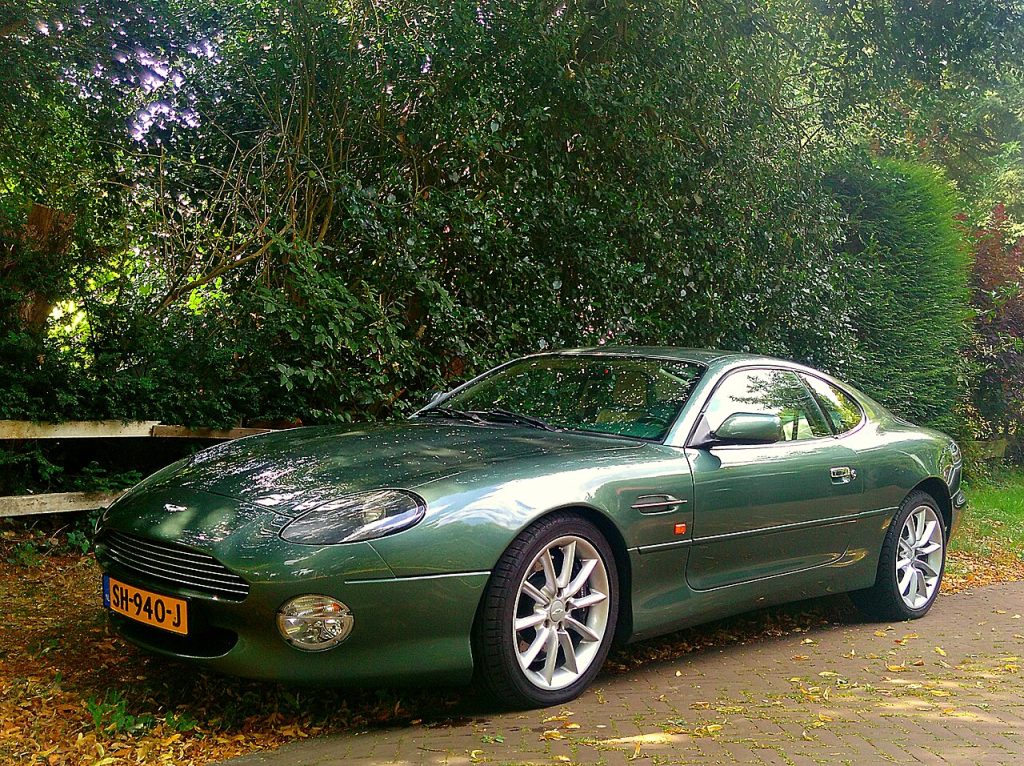
The supplied photograph is a source-identified 2003 DB7 Vantage photographed in 2019. It is a family reference, not an authenticated Anniversary Edition image. Its caption retains that scope, with linked photographer, Commons source, licence and resizing disclosure. An exact-edition licensed photograph remains a publication hold. A convincing colour match would not remove it without supporting identity evidence. Keep original edition records and dated photographs together so later imagery can be checked against the correct chassis. The draft can explain the programme while honestly preserving the unresolved body breakdown and the limits of its visual reference.
Frequently asked questions
Were a hundred Anniversary cars completed?
A hundred was planned; the sources here report fifty-five completions rather than a factory-certified hundred-car census.
What is the verified coupe/Volante split?
It remains unresolved: the specialist and RM accounts disagree, and RM’s headline differs from its narrative.
What did the edition commemorate?
Ten years since the original DB7 unveiling and the end of its production era.
Is the supplied photo authenticated as Anniversary specification?
No. It is an explicit DB7 Vantage family reference pending an exact-edition image.
Explore related Aston Martin profiles
- Aston Martin DB7 Vantage Volante Jubilee
- Aston Martin DB7 Zagato
- Aston Martin DB7 i6 Volante Neiman Marcus Edition
Sources
- Tim Cottingham: DB7 Anniversary planned 100, reported 55 and coupe breakdown
- RM Sotheby’s 2019: Anniversary 013/100 and conflicting body-breakdown wording
- Aston Martin: V12 DB7 Vantage and Volante generation
Historical claims follow the linked manufacturer, archive, specialist and catalogue records, with disputed findings retained. Inspection and collecting guidance is editorial analysis. Catalogue condition and custody statements remain dated to their sources.
Photography and credit
Source-identified 2003 DB7 Vantage photographed in 2019. Family reference only, not authenticated as an Anniversary Edition; exact-edition licensed image remains a publication hold. Photo: Dennis Elzinga / Wikimedia Commons · CC BY 2.0. Wikimedia thumbnail resized from original; no cropping or colour changes.
Why this machine matters
The DB7 Vantage Anniversary Edition marked ten years since the original DB7 unveiling and the close of its production era. The planned hundred-car mixed-body programme is distinct from a specialist-reported fifty-five completions. Published coupe/Volante splits conflict, so exact body totals remain unset rather than repeated as settled facts.
Built in limited numbers
The inventory’s hundred describes the announced programme, which combined coupes and Volantes. Cottingham and RM’s catalogue discussion report fifty-five completed cars, with differing body allocations. This profile records the planned run and the attributed completed total separately; factory-certified exact-production fields remain unset. Numbering against 100 does not prove that every slot was completed. An individual sill plaque is evidence for that car’s presentation and should agree with original order and build information. The count is useful because its scope and evidential limits are visible rather than concealed behind a single definitive-looking number.
Gallery
Specifications
Factory specifications may vary by model year, market and configuration.
Identity & production
- Official model
- Aston Martin DB7 Vantage Anniversary Edition
- Base model
- DB7 Vantage
Powertrain & performance
- Engine
- V12 DB7 Vantage generation; actual equipment and fitted engine established by chassis