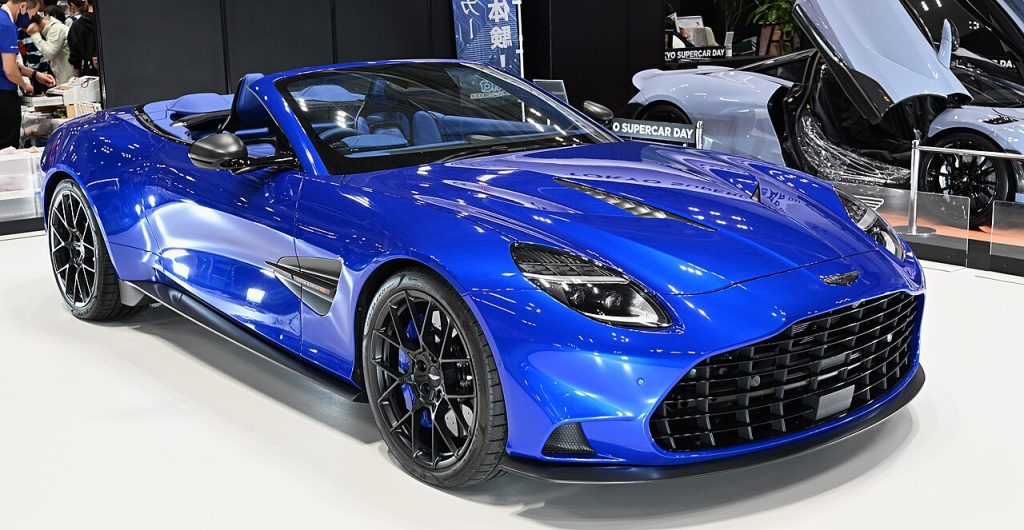
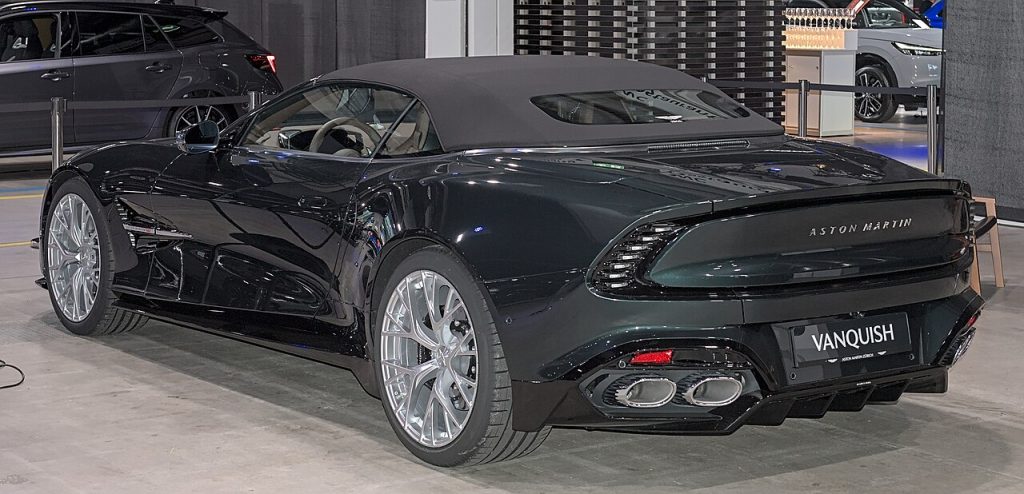
Aston Martin Vantage Roadster A3
The Vantage Roadster A3 turns a centenary celebration into a three-car Q commission initiated by Aston Martin HWM. It pays tribute to the surviving 1921 A3 through distinctive materials and details, while retaining a modern Roadster foundation. The historic A3 and the contemporary tribute are separate vehicles with separate specifications.
The Vantage Roadster A3 turns a centenary celebration into a three-car Q commission initiated by Aston Martin HWM. It pays tribute to the surviving 1921 A3 through distinctive materials and details, while retaining a modern Roadster foundation. The historic A3 and the contemporary tribute are separate vehicles with separate specifications.
Aston Martin Vantage Roadster A3 at a glance
| Manufacturer | Aston Martin |
|---|---|
| Model / family | Vantage |
| Profile scope | Dealer-commissioned Q tribute |
| Historical reference year | 2021 |
| Inventory reference | AST-159 |
| Factory allocation limit | 3; completed census not independently certified |
| Historical engine reference | 4.0-litre twin-turbo V8; modern Roadster foundation |
A centenary commission with an identified origin
The June 2021 factory release identifies HWM as the commissioner of the modern A3 tribute, developed with the Aston Martin Heritage Trust and Q. That origin gives the edition a specific documentary trail. A collector should retain the actual order and correspondence rather than rely only on resemblance to publicity images. The commission can be understood through the relationship between dealer, heritage organisation and factory. Each role supplies context without turning every later A3-themed road car into a member of the original programme.
Rarity: the three-car HWM allocation
The manufacturer stated that the A3 Vantage Roadster was strictly limited to three examples through HWM. This profile records that announced limit while leaving a reconciled completed chassis census unset. Three is the count scope of the contemporary tribute programme, not the chassis number of each new car and not the number of historic A3s. A seller’s membership claim should connect the physical Roadster with the original factory order or an authoritative build record, preserving the distinction between an edition name and an individual serial.
The original A3 remains a separate historic car
The source identifies the surviving A3 as the 1921 chassis No.3. The tribute celebrates that car rather than replicating its mechanical specification. This distinction prevents historical engine data from entering a modern vehicle’s specification table. Readers can follow the heritage story while keeping both subjects accurately separated. An archive should make clear which photograph, technical statement and count relates to which car. The modern edition’s identity rests on its own commission, even when a detail deliberately recalls its predecessor.
Materials that connect the tribute with its inspiration
The polished aluminium side panels and saddle leather straps described by the factory are among the tribute’s identifying details. They provide useful subjects for close photography and careful condition review. In a collector file, connect those images with the original order and any later repair record. Do not treat a decorative strap or engraved number in isolation as conclusive authentication. The significance comes from the complete, documented execution of the commission rather than the presence of one easily photographed element.
Bronze calipers and black wheels
The factory distinguishes bronze brake calipers from the gloss-black wheels. This small point matters because an inaccurate description can migrate into listings and become an apparent specification fact through repetition. A detailed photograph sequence should record both elements under natural light. If either has been refinished, identify that work and retain the original specification reference. An archive becomes more useful when it preserves the exact relationship between material, color and component instead of compressing the exterior into a loosely described bronze theme.
The cabin’s heritage interpretation
Chestnut Tan accents and specially cast brass rotaries are documented elements of the tribute. Their collecting significance lies in the coordinated translation of a historic reference into a contemporary cabin. Record the trim as a complete scheme, including repairs and replacements, rather than relying on one appealing detail. A condition report should distinguish appearance from proof of material or provenance. The original order and a dated interior record can help a later owner understand what remains faithful to the delivered configuration.
The modern V8 Roadster foundation
The February 2020 Roadster release supplies the modern foundation: a 4.0-litre twin-turbo V8 and an eight-speed automatic. It also describes the fabric Z-fold roof. These are base-model references, not an independently verified A3-specific engine upgrade. In a technical review, use the actual commission records to confirm the individual car’s configuration. The heritage styling should not obscure routine mechanical and roof-condition assessment. A very small edition still benefits from a clear service history and a documented inspection of the physical vehicle.
Announcement, display and individual delivery
The factory announcement body is dated June 24, 2021, while the page timestamp is June 23. It discussed a public centenary display on June 26. Those records support the year and planned event sequence without certifying every customer delivery. This guide avoids assigning a precise completion date to all three cars. A particular example’s handover records can add that detail when available. Keeping webpage timestamp, release date and vehicle chronology separate prevents a small publishing difference from becoming a false production claim.
Authentication beyond a number-three detail
An A3 tribute should be assessed through its whole documentary and physical specification. The original commission record, identifying trim and contemporary photographs should agree. Where they do not, explain the difference rather than selecting whichever piece of evidence makes the strongest sale claim. Later changes may be understandable, but their timing and scope belong in the collector file. This approach respects the small programme without pretending that a number-three engraving alone distinguishes an original edition from a later homage.
The open-car reference photograph
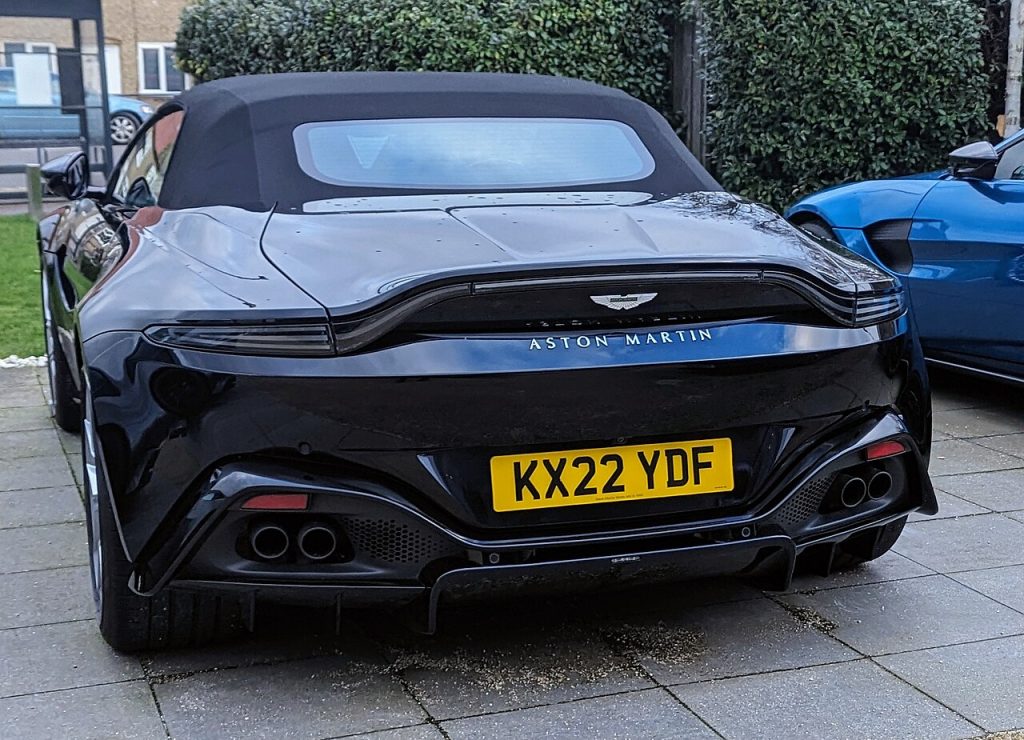
The bundled image shows a modern V8 Vantage Roadster, with the correct open body form. It is not authenticated as one of the three A3 cars and is explicitly captioned as a base-model reference. The draft retains a photo-review hold for an exact-edition replacement. This image cannot substantiate the tribute’s aluminium panels, brass controls or caliper specification. Its own photographer and licence are nevertheless fully credited, giving an editor a usable, traceable illustration without misrepresenting the pictured vehicle.
Building an example-specific collector file
A useful collector file for the Aston Martin Vantage Roadster A3 connects the physical vehicle with its original specification, subsequent care and present description. Keep original documents in sequence and distinguish copies, later summaries and unverified notes. Service invoices should identify the work performed rather than merely supply a stamped date. Add photographs of relevant details and explanations of later changes. That structure gives a future reader a way to follow the evidence and reduces reliance on a general claim of rarity, low mileage or originality.
Condition and originality are separate questions
An original component can require repair, while a replacement component can be in excellent condition. A careful description should explain both identity and state, with the inspection date clearly attached. Ask a suitably qualified specialist to assess the actual car and record what could and could not be inspected. Photographs of exterior finish do not establish hidden structure, mechanical health or serviceability. The archive should preserve findings at their supported level and avoid converting a dated observation into a permanent guarantee about the vehicle.
Reading sale descriptions without inventing value
A production number supplies context, but it does not determine the value of a particular example. This guide assigns no current price, investment return or guaranteed premium. A useful sale record identifies the date, venue, currency, fee treatment, configuration and evidence of the transaction. An asking price and a completed sale are different observations. Compare documentation, condition and accompanying objects before drawing a conclusion from rarity alone, and leave any unsupported market claim outside the verified vehicle history.
Maintaining the archive as evidence develops
Keep new information attached to its source and date. When a later record resolves a production count, delivery event or photograph identity, update that specific finding while preserving the earlier evidence and the reason for the change. A revised fact should not silently rewrite unrelated parts of the car’s history. This approach makes the profile a useful research record rather than a collection of repeated claims. Readers should be able to distinguish confirmed programme information, individual-vehicle evidence and clearly identified editorial guidance.
Frequently asked questions
How many A3 Vantage Roadsters were allocated?
The factory announced a limit of three through HWM; a completed chassis census is not claimed.
Is it the historic 1921 A3?
No. It is a modern tribute, separate from the surviving historic chassis No.3.
Are the wheels bronze?
The factory specifies bronze brake calipers and gloss-black wheels.
Does the photograph show an authenticated A3 edition?
No. It is a labelled V8 Roadster base-model reference pending an exact-edition photograph.
Explore related Aston Martin profiles
Sources
- Aston Martin: June 2021 HWM A3 tribute commission, three-car limit
- Aston Martin: V8 Roadster foundation, February 2020
Historical claims follow the linked manufacturer, archive, specialist and catalogue records, with disputed findings retained. Inspection and collecting guidance is editorial analysis. Catalogue condition and custody statements remain dated to their sources.
Photography and credit
BASE-MODEL REFERENCE: V8 Vantage Roadster photographed in January 2024. This is not authenticated as one of the three A3 editions. Photo: Calreyn88 / Wikimedia Commons · CC BY 4.0. Wikimedia thumbnail resized from original; no cropping or colour changes.
Why this machine matters
The Vantage Roadster A3 turns a centenary celebration into a three-car Q commission initiated by Aston Martin HWM. It pays tribute to the surviving 1921 A3 through distinctive materials and details, while retaining a modern Roadster foundation. The historic A3 and the contemporary tribute are separate vehicles with separate specifications.
Built in limited numbers
The manufacturer stated that the A3 Vantage Roadster was strictly limited to three examples through HWM. This profile records that announced limit while leaving a reconciled completed chassis census unset. Three is the count scope of the contemporary tribute programme, not the chassis number of each new car and not the number of historic A3s. A seller’s membership claim should connect the physical Roadster with the original factory order or an authoritative build record, preserving the distinction between an edition name and an individual serial.
Gallery
Specifications
Factory specifications may vary by model year, market and configuration.
Identity & production
- Official model
- Aston Martin Vantage Roadster A3
- Base model
- Vantage
Powertrain & performance
- Engine
- 4.0-litre twin-turbo V8; modern Roadster foundation