Aston Martin Vanquish 25 Coupe
The factory Vanquish 25 coupe marks a quarter century of the Vanquish name with a twenty-five-car body allocation inside a fifty-car programme. Announced in July 2026, it combines the contemporary twin-turbo V12 foundation with Q detailing that recalls the original nameplate. It is distinct from the earlier CALLUM Vanquish 25 conversion.
The factory Vanquish 25 coupe marks a quarter century of the Vanquish name with a twenty-five-car body allocation inside a fifty-car programme. Announced in July 2026, it combines the contemporary twin-turbo V12 foundation with Q detailing that recalls the original nameplate. It is distinct from the earlier CALLUM Vanquish 25 conversion.
Aston Martin Vanquish 25 Coupe at a glance
| Manufacturer | Aston Martin |
|---|---|
| Model / family | Vanquish |
| Profile scope | Vanquish nameplate anniversary coupe allocation |
| Historical reference year | 2026 |
| Inventory reference | AST-192 |
| Factory allocation limit | 25; completed census not independently certified |
| Combined parent allocation limit | 50; count scope discussed below |
| Historical engine reference | 5.2-litre twin-turbo V12 |
The factory edition and the earlier CALLUM name
This profile concerns the new factory Vanquish 25 announced on July 22, 2026. It should not be confused with the earlier CALLUM project using the same numerical name on a different generation. Shared wording in search results does not establish shared factory identity or count. Lead a collector description with manufacturer, generation and announcement date, then connect the actual car with its order. That gives readers a reliable way to distinguish the programmes before comparing design, engineering or individual provenance.
Rarity: twenty-five coupes within fifty allocations
The manufacturer divides the fifty-car programme into twenty-five coupes and twenty-five Volantes. This guide records the coupe allocation and preserves the combined programme as its parent count. The parent is not an additional fifty vehicles and should not be added again in an archive tally. An independently reconciled completed chassis census is not claimed. Individual edition membership should be supported by original records, while any further subset claim for seating, colour or market requires evidence beyond the published body-style split.
A quarter century of a nameplate
The anniversary refers to the Vanquish nameplate’s original 2001 debut. It does not establish that the present car shares a historic chassis or is a continuation of the first-generation vehicle. The modern programme uses design references to connect several eras. An archive can explain that relationship without assigning the physical identity or construction history of an earlier car to the new edition. The useful collecting story concerns how the manufacturer chose to mark the nameplate milestone through a defined contemporary specification.
The modern twin-turbo V12 foundation
The contemporary factory model source supplies the underlying 5.2-litre twin-turbo V12 with an eight-speed automatic. The 2026 edition release identifies the modern engineering context, rather than a conversion of an early naturally aspirated Vanquish. A technical review should use the actual build and service documents for the example. Original programme specifications do not establish its present condition or measured performance. Keeping the generation and transmission identity explicit prevents attractive details from several unrelated Vanquishes being combined into an inaccurate vehicle overview.
Skye Silver and the Q exterior details
The release identifies exclusive Q Skye Silver paint, stainless-steel side strakes and edition badging. Their significance comes from the coordinated factory order rather than the apparent presence of silver paint alone. An inspection should compare the actual specification with present finish and explain repairs. Overall photography can show the design, while close images record small components and surface condition. A distinctive badge provides a useful reference point but should remain part of a complete documentary and physical authentication process.
Cabin choices need their original order
The manufacturer offered Onyx Black, Oxford Tan and Phantom Grey interior routes, with edition-specific cabin treatment. Those options should not become separately verified production totals unless an authoritative record establishes their distribution. A collector can describe the chosen scheme accurately from the actual order. Later retrimming or detail replacement belongs in the car’s history rather than being concealed behind a general originality statement. The archive should show the complete cabin as well as identifying elements, leaving readers able to understand how the example relates to the programme.
Seating configurations in the edition release
The factory announcement offers 2+0 and 2+2 configurations. This is an edition-source statement that should be checked against the delivered example, rather than replaced by an assumption drawn from a general base-model page. The guide assigns no production split between the seating routes. An individual review should photograph the complete cabin and retain the actual build record. Configuration and registration documents can answer different questions, so both should be described at their supported level instead of treating a publicity reference as final evidence for every car.
The 2026 timetable remains prospective evidence
The July announcement planned a Monterey debut in August and first deliveries from the fourth quarter of 2026. This guide does not turn that plan into confirmation of every event or customer handover. At the review date, a completed programme census remains unresolved. A later factory record or chassis-specific delivery document can update the relevant finding. The announcement year supplies a clear profile reference, while individual production and registration dates should be kept separate rather than inferred from a planned public display.
Keeping coupe and Volante histories separate
The coupe has its own twenty-five-car allocation and body identity, while the Volante belongs to the same overall anniversary brief. A comparison can explain the shared presentation without treating ownership of both as an original paired-set requirement. Each car should retain its own order, chronology and condition record. A closed-body example also needs its own inspection priorities, including cabin and body continuity. The related profile helps readers understand the open-car alternative while preserving the counting unit and physical scope of this entry.
The licensed coupe photograph is a reference
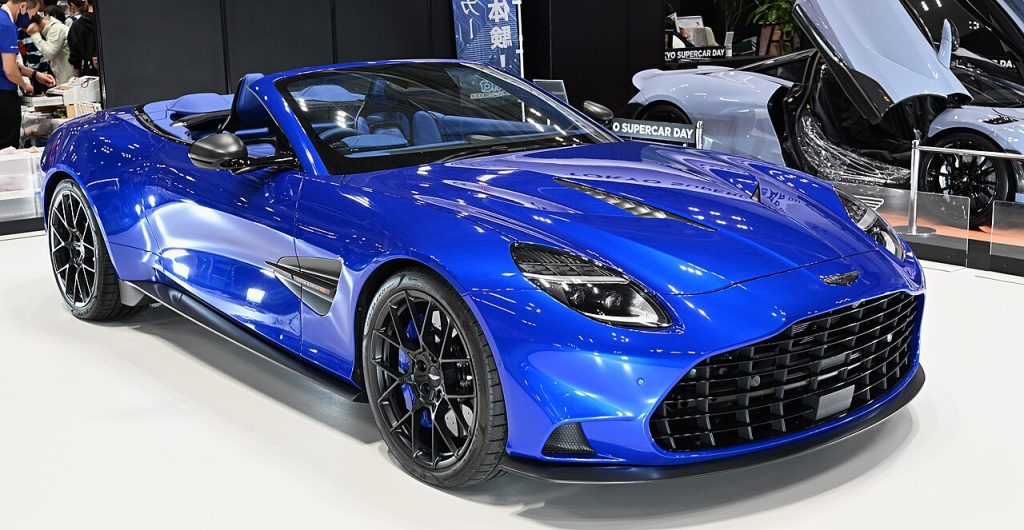
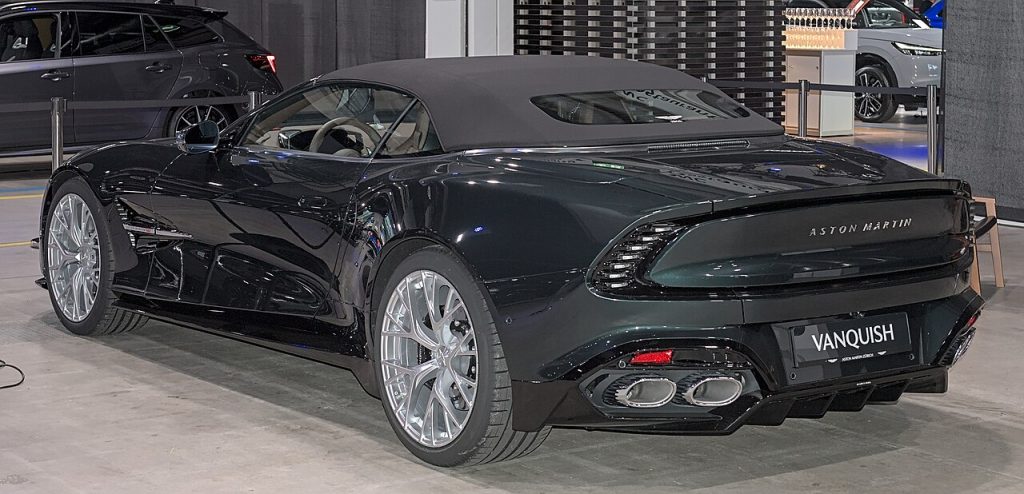
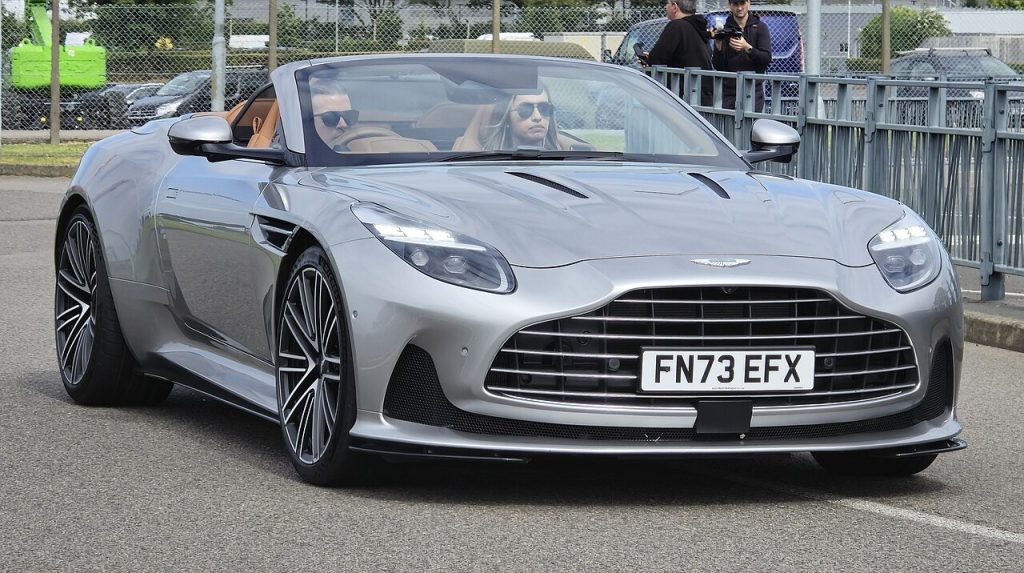
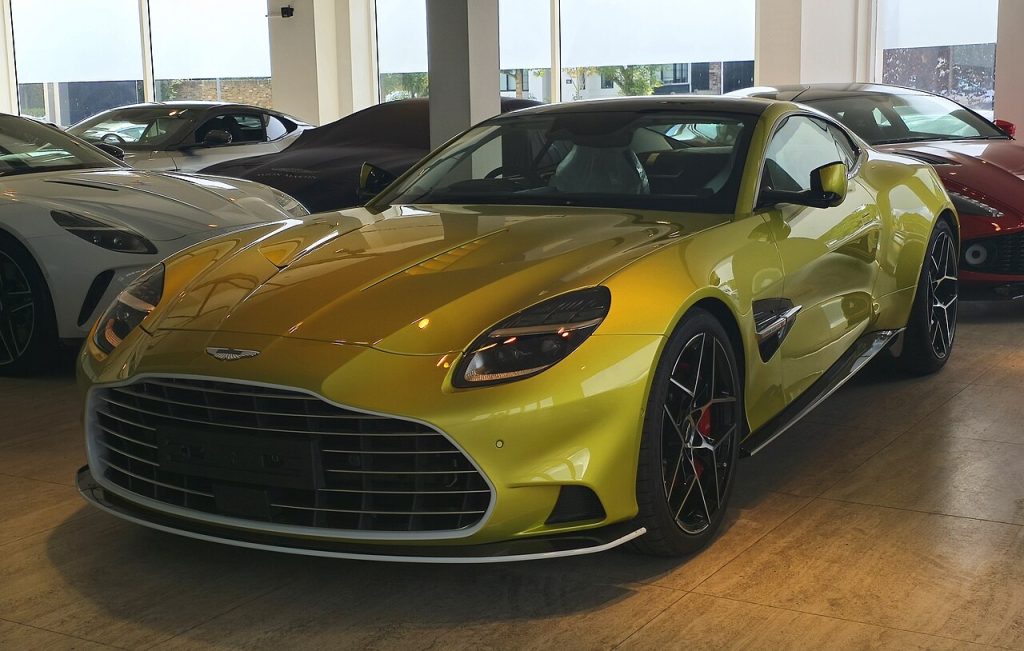
The included image shows a standard third-generation Vanquish coupe, source-labelled as a 2025 example. It is not the 2026 Vanquish 25 edition and is not a CALLUM conversion. The caption and alternative text state those distinctions, with an exact-edition photo-review hold on the draft. Its role is to illustrate the correct contemporary foundation while a licensed edition image remains outstanding. The reference cannot authenticate the anniversary finish or badging, and its photographer and licence remain visible so the file is traceable within that limited scope.
Building a useful example-specific archive
A collector file for the Aston Martin Vanquish 25 Coupe should connect the original specification with subsequent care and the present description. Keep the order, delivery and service records in sequence, distinguishing original documents from later summaries. Add dated photographs and an inventory of accompanying items. Explain known changes with their reason and date, rather than relying on a general assertion of originality. This gives a future reader a way to follow the physical vehicle through its history and understand which findings are supported at the example level.
Condition and identity require different evidence
An edition identity and a condition assessment answer different questions. Original order records can support programme membership, while an inspection explains the state of the actual vehicle at a stated date. A matching finish photograph cannot establish hidden mechanical or structural health. Likewise, a replacement component can be in excellent condition while having a different provenance from the delivered part. A useful description records both categories clearly, retaining technical reports and repair invoices so future editors and collectors can assess the evidence without conflating rarity with preservation.
Photographs should form a dated sequence
Retain overall views, cabin photographs and identifying details together, with the capture date and context available. A close-up becomes more useful when readers can see where the component belongs on the same physical car. Avoid assuming that a later image establishes an earlier configuration, or that an event appearance identifies the current owner. Keep photographer permission and credit records with each file. An archive can then add new images over time while preserving the differences between model illustration, dated visual observation and stronger documentary authentication.
Updating the profile when new records resolve a finding
Attach new information to its source and date. If a later primary record clarifies completion, delivery or an image’s identity, update that particular finding and preserve the reason for the revision. Do not silently rewrite unrelated parts of the vehicle’s history or treat a newly published summary as a complete chassis register. The profile should make confirmed programme information, individual-car evidence and editorial interpretation easy to distinguish. That method keeps the guide useful as research develops while giving readers a concrete route back to the underlying records.
Frequently asked questions
How many factory Vanquish 25 coupes were allocated?
Twenty-five, inside the combined fifty-car programme with twenty-five Volantes.
Is it the earlier CALLUM Vanquish 25?
No. This entry concerns the new factory edition announced in 2026 on the modern generation.
Does the fifty-car parent count add another fifty cars?
No. It is the combined allocation of both body styles, not an additional programme.
Is the included yellow coupe an anniversary car?
No. It is a labelled standard third-generation reference pending an exact-edition photograph.
Explore related Aston Martin profiles
- Aston Martin Vanquish 25 Volante
- Aston Martin Vanquish Volante 60th Anniversary Edition
- Aston Martin Valour
Sources
- Aston Martin: Vanquish 25 announcement, 22 July 2026; 25 coupes and 25 Volantes
- Aston Martin: third-generation Vanquish coupe technical foundation
Historical claims follow the linked manufacturer, archive, specialist and catalogue records, with disputed findings retained. Inspection and collecting guidance is editorial analysis. Catalogue condition and custody statements remain dated to their sources.
Photography and credit
BASE-MODEL REFERENCE: third-generation Vanquish coupe. This is not the 2026 Vanquish 25 edition and not the earlier CALLUM Vanquish 25 conversion. Photo: Calreyn88 / Wikimedia Commons · CC BY-SA 4.0. Wikimedia thumbnail resized from original; no cropping or colour changes.
Why this machine matters
The factory Vanquish 25 coupe marks a quarter century of the Vanquish name with a twenty-five-car body allocation inside a fifty-car programme. Announced in July 2026, it combines the contemporary twin-turbo V12 foundation with Q detailing that recalls the original nameplate. It is distinct from the earlier CALLUM Vanquish 25 conversion.
Built in limited numbers
The manufacturer divides the fifty-car programme into twenty-five coupes and twenty-five Volantes. This guide records the coupe allocation and preserves the combined programme as its parent count. The parent is not an additional fifty vehicles and should not be added again in an archive tally. An independently reconciled completed chassis census is not claimed. Individual edition membership should be supported by original records, while any further subset claim for seating, colour or market requires evidence beyond the published body-style split.
Gallery
Specifications
Factory specifications may vary by model year, market and configuration.
Identity & production
- Official model
- Aston Martin Vanquish 25 Coupe
- Base model
- Vanquish
Powertrain & performance
- Engine
- 5.2-litre twin-turbo V12