Aston Martin DBZ Centenary Collection
The DBZ Centenary Collection is a paired collection reference linking the DB4 GT Zagato Continuation with the DBS GT Zagato. Aston Martin defined nineteen sets, each containing two distinct cars. This entry explains the original pairing and its collector documentation; it does not add a third vehicle type to the two component profiles.
The DBZ Centenary Collection is a paired collection reference linking the DB4 GT Zagato Continuation with the DBS GT Zagato. Aston Martin defined nineteen sets, each containing two distinct cars. This entry explains the original pairing and its collector documentation; it does not add a third vehicle type to the two component profiles.
Aston Martin DBZ Centenary Collection at a glance
| Manufacturer | Aston Martin |
|---|---|
| Model / family | DBZ |
| Profile scope | Paired collection reference; component profiles overlap |
| Historical reference year | 2019 |
| Inventory reference | AST-148 |
| Factory allocation limit | 19; completed census not independently certified |
| Allocation count unit | paired sets; reference overlaps the component vehicle profiles |
| Components at full planned allocation | 38 cars; not additional to the component profiles |
A collection entry with two physical components
The DBZ Collection is best understood as an original pairing and presentation concept. Its two components have individual vehicle identities, mechanical layouts and intended uses. This entry gives the relationship a place in the archive without pretending the collection is a separate chassis. That distinction matters when browsing profiles or building totals. A collector interested in the original two-car proposition should be able to explore both vehicles, then return here to understand what linked them and what documentation can establish the pairing.
Rarity: nineteen sets, not nineteen extra cars
The factory defined nineteen paired sets. At the full announced allocation, that means nineteen DB4 continuations and nineteen DBS GT Zagatos, or thirty-eight component cars. The calculation explains the plan; it is not an independently reconciled completed census. These components are already described in their own profiles, so the collection reference contributes no additional physical cars to an inventory total. Keep the unit visible wherever the number appears. Nineteen pairs and nineteen cars answer different questions and should never share an unlabeled production field.
The Zagato centenary gave the project its purpose
The collection was created to commemorate Zagato’s centenary in 2019. Its interest lies in how it connected an established historical design with a contemporary interpretation. That is a curatorial relationship as well as a commercial one. A display can use the pair to explain a collaboration across time, while a collector may value the factory’s original two-car proposition. The relationship remains meaningful when it is described accurately, without assigning either modern component the age or period competition record of the historic original.
The DB4 continuation side of the pair
The DB4 GT Zagato Continuation is the new Works-built heritage component, presented for track use. Its individual profile carries the programme’s mechanical and construction details. Here the useful question is how its factory and delivery records connect with the paired DBS. A historic original DB4 GT Zagato is a different object and cannot substitute silently in an original DBZ-pair description. If a display brings together other cars to illustrate the design history, label that arrangement as a curatorial comparison rather than an authenticated factory collection set.
The DBS GT Zagato side of the pair
The contemporary DBS provides the road-car component of the original proposition. Its own order and build records establish its individual specification. The paired context should not erase differences between customer choices, reveal-car finishes and later modifications. When cataloguing a collection, describe each car accurately before describing their relationship. This makes the paired entry useful even when one component has received repair work or changed appearance. The original linkage and the current condition of the two cars are distinct parts of the collector record.
A staged reveal across the project chronology
The initial collection announcement preceded the centenary year, while the two component stories developed through 2019. The finished DBS presentation at Audrain brought the contemporary half into public view alongside the continuation. This profile uses 2019 as the centenary and finished-pair reference, rather than inventing a single shared build date. A paired collection can have several legitimate milestones: announcement, component reveal, separate handovers and a later joint display. Recording those events individually gives readers a more precise history than choosing one date for every purpose.
Delivery schedules and confirmed events
The November 2019 factory account confirms the first DB4 continuation customer deliveries and still describes the DBS handover as a future event. The original collection therefore needs a timeline that can accommodate different delivery stages. A projected DBS date is not proof that a particular pair was complete and in one owner’s possession by that point. Ask for each component’s actual handover record when establishing a complete collection history. A later photo of the cars together can add context, but cannot supply missing factory linkage on its own.
What can establish an original factory pair
The strongest evidence is a linked set of factory orders, invoices or delivery documents identifying both components. Retain correspondence and original presentation material where they survive. A pair number or seller statement may be useful, but it should be reconciled with the underlying vehicle identities. Two cars of the correct models brought together later can still form an interesting collection. They should not automatically be described as an original matching DBZ set unless the documentary relationship is established. That wording preserves the distinction without diminishing either vehicle.
When the components are offered separately
A component can retain a documented original collection history even if it is sold without its partner. Describe what the records establish, whether the partner’s current identity or location is known, and which documents accompany the offered car. Do not infer current custody from an old sale announcement. The collecting significance of an intact original pair may differ from that of a single component, but this profile does not assign a universal price premium. Actual sale comparisons would require dated evidence and a careful match of condition and completeness.
Conservation needs belong to each car
The two vehicles require individual condition assessments appropriate to their structures, equipment and intended use. The historic-style continuation and contemporary DBS should not receive one generic inspection checklist simply because they were sold together. Preserve separate service records and combine them with the collection linkage in the archive. This arrangement helps the owner understand what work belongs to which component. It also makes future exhibitions or sales easier to describe, because the pair history does not obscure changes in the condition or specification of either car.
Presenting the paired story in a vehicle archive
A useful archive links this reference to both component profiles and labels the count as paired sets. Public text should make the overlap explicit, and any inventory export should avoid treating the collection as an additional chassis population. The story can still be substantial: it concerns the original sales proposition, reveal sequence and documentary relationship. This is why a collection profile deserves a different emphasis from a vehicle specification table. Its job is to explain how two authenticated cars were connected and what remains of that relationship.
The component photograph and its honest scope
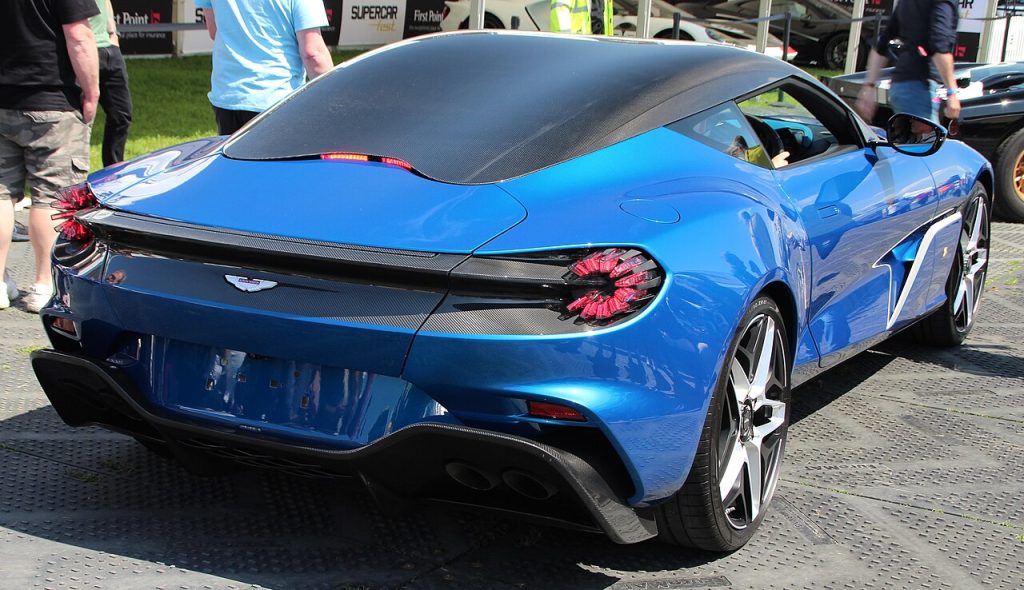
The supplied image shows a source-identified DBS GT Zagato from the rear at Supercarfest in May 2023. It illustrates only the modern component, not two cars photographed as a pair. The caption states that limit and carries visible source, photographer and license links. No matching DB4 identity is assigned to the pictured car. The linked component profiles provide further real photographs of the two models. This keeps the collection visually grounded while avoiding an unsupported claim that a single exterior image certifies an intact original set.
Frequently asked questions
How many DBZ Centenary Collection sets were allocated?
Nineteen paired sets, each containing one DB4 GT Zagato Continuation and one DBS GT Zagato. The count unit is sets, not additional vehicles.
Does this entry add thirty-eight cars to the component profiles?
No. At the full allocation the sets contain thirty-eight component cars, already represented by the two model entries. Adding them again would double-count the programme.
Can two cars of the correct models be called an original pair?
Only when their original relationship is supported by linked factory or delivery records. A later curatorial pairing should be described as such.
Does the collection photograph show a complete set?
No. It shows the DBS GT Zagato component. Its caption explicitly identifies that illustrative scope and does not certify a paired DB4.
Explore related Aston Martin profiles
- Aston Martin DB4 GT Zagato Continuation
- Aston Martin DBS GT Zagato
- Aston Martin Vanquish Zagato Coupe
Sources
- Aston Martin: DBZ Collection announcement, 2018, nineteen pairs and separate road/track roles
- Aston Martin: DBZ world debut at Audrain, 4 October 2019, DBS engine and specification choices
- Zagato atelier: DBS GT Zagato within the nineteen-pair Centenary Collection
- Aston Martin: first DB4 GT Zagato Continuation deliveries confirmed, 7 November 2019
Historical claims follow the linked manufacturer, archive, specialist and catalogue records, with disputed findings retained. Inspection and collecting guidance is editorial analysis. Catalogue condition and custody statements remain dated to their sources.
Photography and credit
Collection component illustration: source-identified DBS GT Zagato at Supercarfest in May 2023. Only the modern half is pictured; this image does not certify an intact matched DBZ pair. Photo: MrWalkr / Wikimedia Commons · CC BY-SA 4.0. Wikimedia thumbnail resized from original; no cropping or colour changes.
Why this machine matters
The DBZ Centenary Collection is a paired collection reference linking the DB4 GT Zagato Continuation with the DBS GT Zagato. Aston Martin defined nineteen sets, each containing two distinct cars. This entry explains the original pairing and its collector documentation; it does not add a third vehicle type to the two component profiles.
Built in limited numbers
The factory defined nineteen paired sets. At the full announced allocation, that means nineteen DB4 continuations and nineteen DBS GT Zagatos, or thirty-eight component cars. The calculation explains the plan; it is not an independently reconciled completed census. These components are already described in their own profiles, so the collection reference contributes no additional physical cars to an inventory total. Keep the unit visible wherever the number appears. Nineteen pairs and nineteen cars answer different questions and should never share an unlabeled production field.
Gallery
Specifications
Factory specifications may vary by model year, market and configuration.
Identity & production
- Official model
- Aston Martin DBZ Centenary Collection
- Base model
- DBZ