Aston Martin DBS UB-2010
The DBS UB-2010 celebrated Ulrich Bez’s tenth year as chief executive and showcased Works Tailored specification. The manufacturer’s magazine describes forty planned cars, twenty coupes and twenty Volantes. Later specialist accounts report smaller completions for each body. The inventory’s twenty must therefore retain body-allocation scope rather than become the whole edition total.
The DBS UB-2010 celebrated Ulrich Bez’s tenth year as chief executive and showcased Works Tailored specification. The manufacturer’s magazine describes forty planned cars, twenty coupes and twenty Volantes. Later specialist accounts report smaller completions for each body. The inventory’s twenty must therefore retain body-allocation scope rather than become the whole edition total.
Aston Martin DBS UB-2010 at a glance
| Manufacturer | Aston Martin |
|---|---|
| Model / family | DBS V12 |
| Profile scope | Historic road-model archive |
| Historical reference year | 2010 |
| Inventory reference | AST-102 |
| Factory allocation limit | 40; completed census not independently certified |
| Planned coupes | 20; count scope discussed below |
| Planned open cars | 20; count scope discussed below |
| Specialist-reported completed coupes | 10; count scope discussed below |
| Specialist-reported completed Volantes | 13; count scope discussed below |
| Historical engine reference | Modern DBS V12 programme; original body and transmission individually evidenced |
| Displacement reference | 5935 cc; historical programme reference, not current installed measurement |
The name explains the anniversary
Aston Martin Magazine’s 2010 issue describes the UB-2010 as a commemoration of Ulrich Bez’s tenth year as chief executive. That is the historical meaning of the initials, not an assertion about the company’s current leadership. This profile covers the mixed-body edition because the inventory name does not specify one body. An individual record should add the actual coupe or Volante identity and original delivery evidence. The programme’s significance is its coordinated Works Tailored specification. It should remain distinct from a generic DBS personalised later or a different limited edition whose dark paint happens to look similar.
Rarity: forty planned, twenty of each body
The manufacturer’s magazine sets out a forty-car plan comprising twenty coupes and twenty Volantes. The inventory’s twenty is therefore an allocation for one body, not the entire edition population. This profile stores the forty limit and the two body plans separately, without treating them as verified completed totals. A numbered plaque against twenty cannot establish that every planned slot was finished. Check original order and chassis records for an individual vehicle. The count is most informative when readers can distinguish a combined edition, its planned body subsets and the supported record of each car actually completed.
Smaller reported completions need attribution
Cottingham’s coupe account reports ten completed cars, while the Volante account reports thirteen. This profile retains those as specialist-reported body findings and does not promote their sum into a factory-certified worldwide census. The plan of forty remains a different finding. A reconciled chassis register could strengthen the completed counts by recording original body and delivery. Until then, exact verified-production fields stay empty. That preserves the useful rarity information without overstating what has been checked. It also prevents a coupe’s numbered plaque, a Volante sale description and a programme announcement from being used as interchangeable evidence.
Show specification and final customer equipment
The specialist Volante history distinguishes the Geneva display from details finalised later. This is why a show photograph should not automatically supply a universal retail equipment list. Keep the date and object role with each image, then compare an individual car with its original order. A later specification change deserves its own entry in the file. A promotional object and a completed customer vehicle can share an edition name while differing in fitted trim. The archive should explain those stages rather than conceal them behind an attractive but unsupported claim that every pictured UB-2010 is identical.
Azurite Black, bronze hide and the facia treatment
The manufacturer’s magazine describes Azurite Black coachwork, metallic bronze leather with woven inserts and Cryptic Titan facia trim. These coordinated choices identify the original design brief. They are supporting evidence rather than a complete authentication test: trim and paint can be replicated or replaced. Compare factory information, early photographs and restoration invoices before assigning original material. A documented repair can preserve edition identity while changing component provenance. The useful finding connects the particular chassis with the supported Works Tailored order, avoiding the assumption that any dark DBS with unusual leather belongs to the planned edition.
Body-specific equipment should remain body-specific
A coupe and a Volante require different records of roof, cabin and related fittings. Do not import a closed car’s headlining or other body-specific details into every open example. Inspect what the actual car retains and compare it with the relevant order information. Associated luggage and numbered identifiers should have an inventory and supported delivery connection. A loose accessory cannot authenticate another chassis. This is a practical way to preserve the coordinated package without turning one specialist’s example or a show-car view into a blanket specification. Original supply and later replacement belong in separate parts of the same vehicle history.
The V12 DBS programme provides context
Aston Martin places the modern DBS in the 2007–2012 family and separates the 2009 Volante introduction. This is the V12-era DBS, not the 1960s six-cylinder car sharing the name. The manufacturer’s engine-family information provides a historical reference while individual installed condition and later work require chassis evidence. Original transmission and any subsequent changes should be described from the actual order and service records. A trim-led limited edition does not automatically imply a distinct engine tune. Keep the anniversary specification connected to the right generation, allowing the technical description to remain accurate without borrowing unrelated DBS powerplants or performance claims.
Authenticating the individual numbered car
Start with chassis identification, original build, order and delivery information, then compare edition markings and dated photographs. Keep catalogue condition and custody descriptions anchored to their offering date. A modern seller’s repeated UB-2010 title is a lead rather than a replacement for the original connection. If a plaque, trim assembly or exterior component changed, document why and preserve earlier evidence where available. The strongest archive is supported at the points where identity or specification changes. That method lets both planned rarity and individual continuity remain clear even when the final completed population is still awaiting factory-level reconciliation.
Preparation and conservation within the limited group
Have a marque specialist inspect the actual body, supporting structure, cabin and installed mechanical systems before the intended use. Add hood equipment to an open car’s review. Record cooling, lubrication, fuel, transmission, brakes, steering and tyres with findings dated. A former public appearance cannot settle present readiness. Distinctive trim should be documented before work so suitable replacement or conservation decisions can be supported. The edition’s small reported population explains scarcity, but it cannot certify the condition of any one surviving car. A useful vehicle file keeps that historical significance alongside an honest material and maintenance record.
The family-reference photo and connected programmes
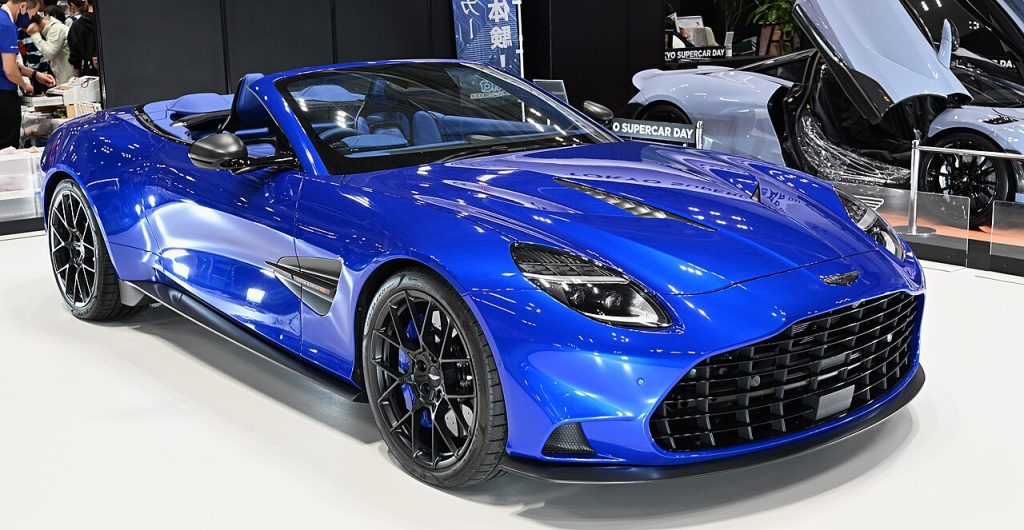
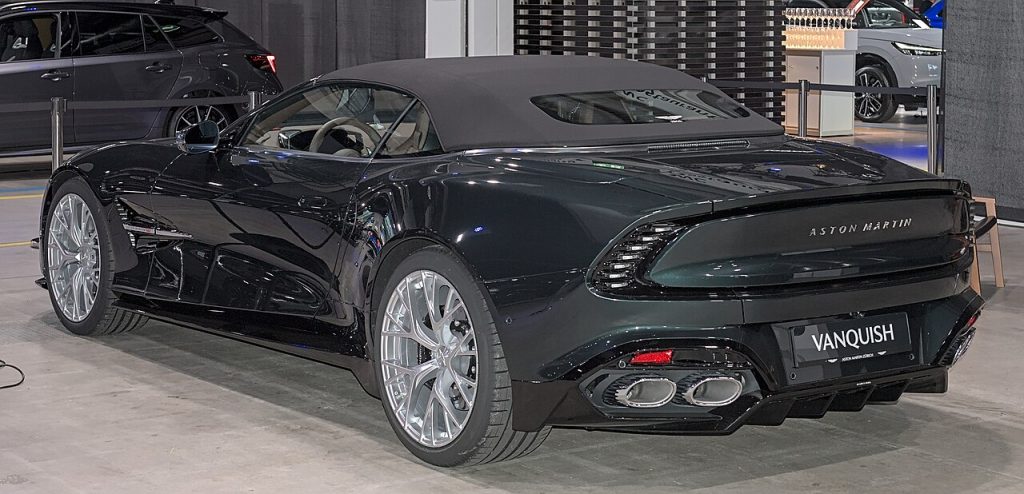
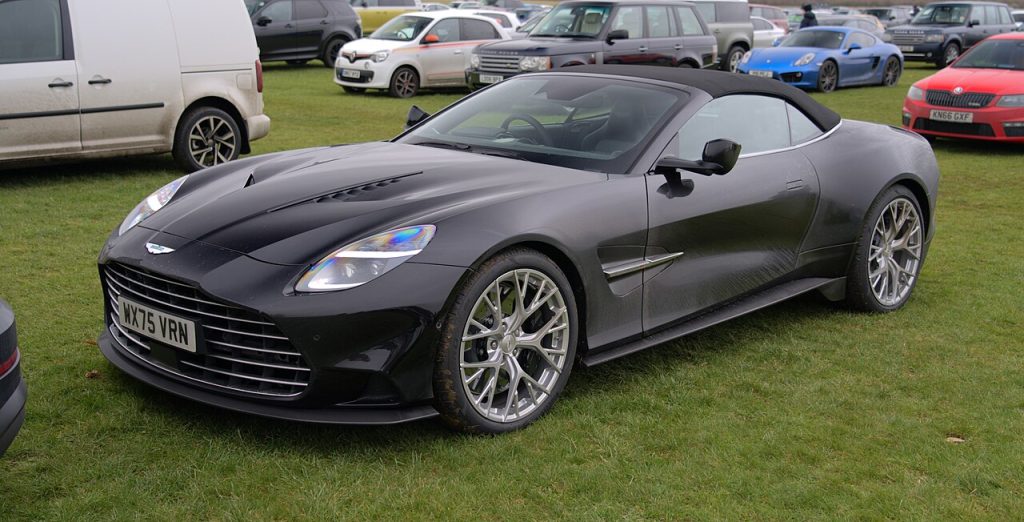
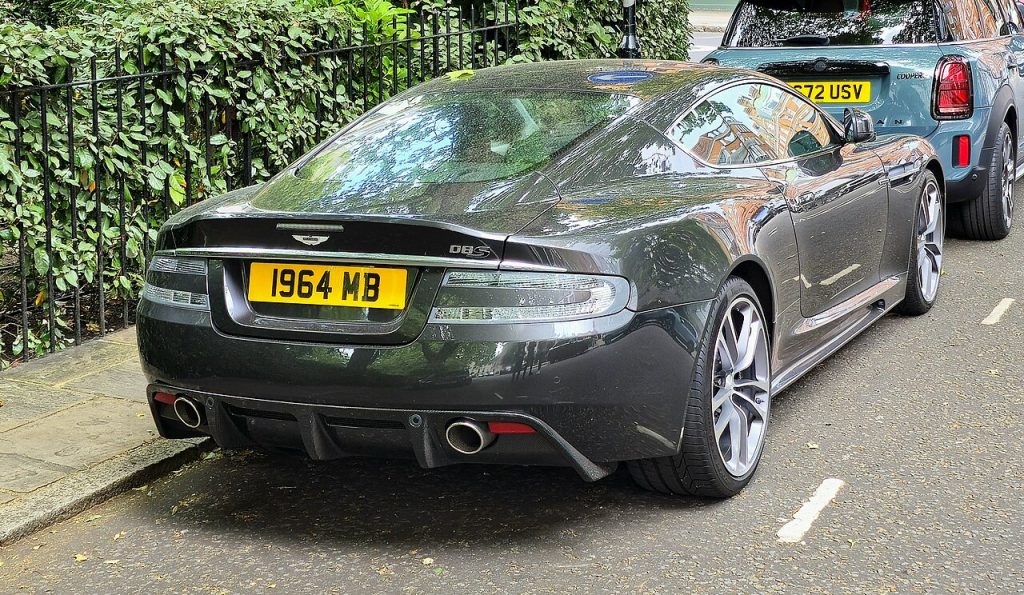
The bundled image shows a DBS coupe photographed in 2024. It is not authenticated as UB-2010, and dark paint alone does not establish membership. Its caption links author, Commons source, licence and resizing disclosure, with an exact-edition image publication hold. The DBS Ultimate offers a final-edition comparison, while colette and the DB7 Anniversary illustrate different tailoring and celebration programmes. Compare body scope and evidence before using counts together. A durable archive can later replace the reference with a correctly identified licensed image without changing the distinction between forty planned cars and the specialist-reported completed subsets.
Frequently asked questions
Does twenty describe the whole UB-2010 edition?
No. The magazine describes forty planned cars, twenty coupes and twenty Volantes.
What completed counts are reported?
The specialist accounts report ten coupes and thirteen Volantes; these are retained as attribution rather than a factory-certified census.
What did UB-2010 commemorate?
Ulrich Bez’s tenth year as chief executive, in 2010.
Is the supplied DBS photo an authenticated UB-2010?
No. It is an explicit coupe family reference pending exact-edition imagery.
Explore related Aston Martin profiles
- Aston Martin DBS Ultimate Coupe
- Aston Martin Cygnet & colette
- Aston Martin DB7 Vantage Anniversary Edition
Sources
- Aston Martin Magazine issue 11/10, reproduced scan: UB-2010 planned 40, 20 of each body
- Tim Cottingham: UB-2010 coupe, final specification and ten reported completions
- Tim Cottingham: UB-2010 Volante, show/final differences and thirteen reported completions
- Aston Martin: 2007–2012 DBS and its separate Volante programme
Historical claims follow the linked manufacturer, archive, specialist and catalogue records, with disputed findings retained. Inspection and collecting guidance is editorial analysis. Catalogue condition and custody statements remain dated to their sources.
Photography and credit
DBS coupe family reference photographed in June 2024. Not authenticated as UB-2010; original edition membership cannot be inferred from dark paint. Exact-edition licensed photo remains a publication hold. Photo: Calreyn88 / Wikimedia Commons · CC BY-SA 4.0. Wikimedia thumbnail resized from original; no cropping or colour changes.
Why this machine matters
The DBS UB-2010 celebrated Ulrich Bez’s tenth year as chief executive and showcased Works Tailored specification. The manufacturer’s magazine describes forty planned cars, twenty coupes and twenty Volantes. Later specialist accounts report smaller completions for each body. The inventory’s twenty must therefore retain body-allocation scope rather than become the whole edition total.
Built in limited numbers
The manufacturer’s magazine sets out a forty-car plan comprising twenty coupes and twenty Volantes. The inventory’s twenty is therefore an allocation for one body, not the entire edition population. This profile stores the forty limit and the two body plans separately, without treating them as verified completed totals. A numbered plaque against twenty cannot establish that every planned slot was finished. Check original order and chassis records for an individual vehicle. The count is most informative when readers can distinguish a combined edition, its planned body subsets and the supported record of each car actually completed.
Gallery
Specifications
Factory specifications may vary by model year, market and configuration.
Identity & production
- Official model
- Aston Martin DBS UB-2010
- Base model
- DBS V12
Powertrain & performance
- Engine
- Modern DBS V12 programme; original body and transmission individually evidenced