2025 Honda Super EV Concept
Honda Super EV Concept: its 2025 Goodwood debut, manufacturer-confirmed dynamic run, exact concept identity and credited documentary photography.
The Honda Super EV Concept introduced a small electric performance proposal at the 2025 Goodwood Festival of Speed.
History and purpose
The Honda Super EV Concept introduced a small electric performance proposal at the 2025 Goodwood Festival of Speed. Honda’s original June announcement identifies the named concept and the intended July premiere. The manufacturer’s later October account confirms that the vehicle was exhibited and took part in a dynamic run on the hill-climb course. That distinction gives the archive more than a rendering or a proposed display: there is a documented physical and operating presentation. It still does not establish a complete construction census. This profile therefore records a running concept with an unknown fabrication tally, separate from the subsequent Super-ONE development stage and later customer vehicles.
Engineering and programme specification
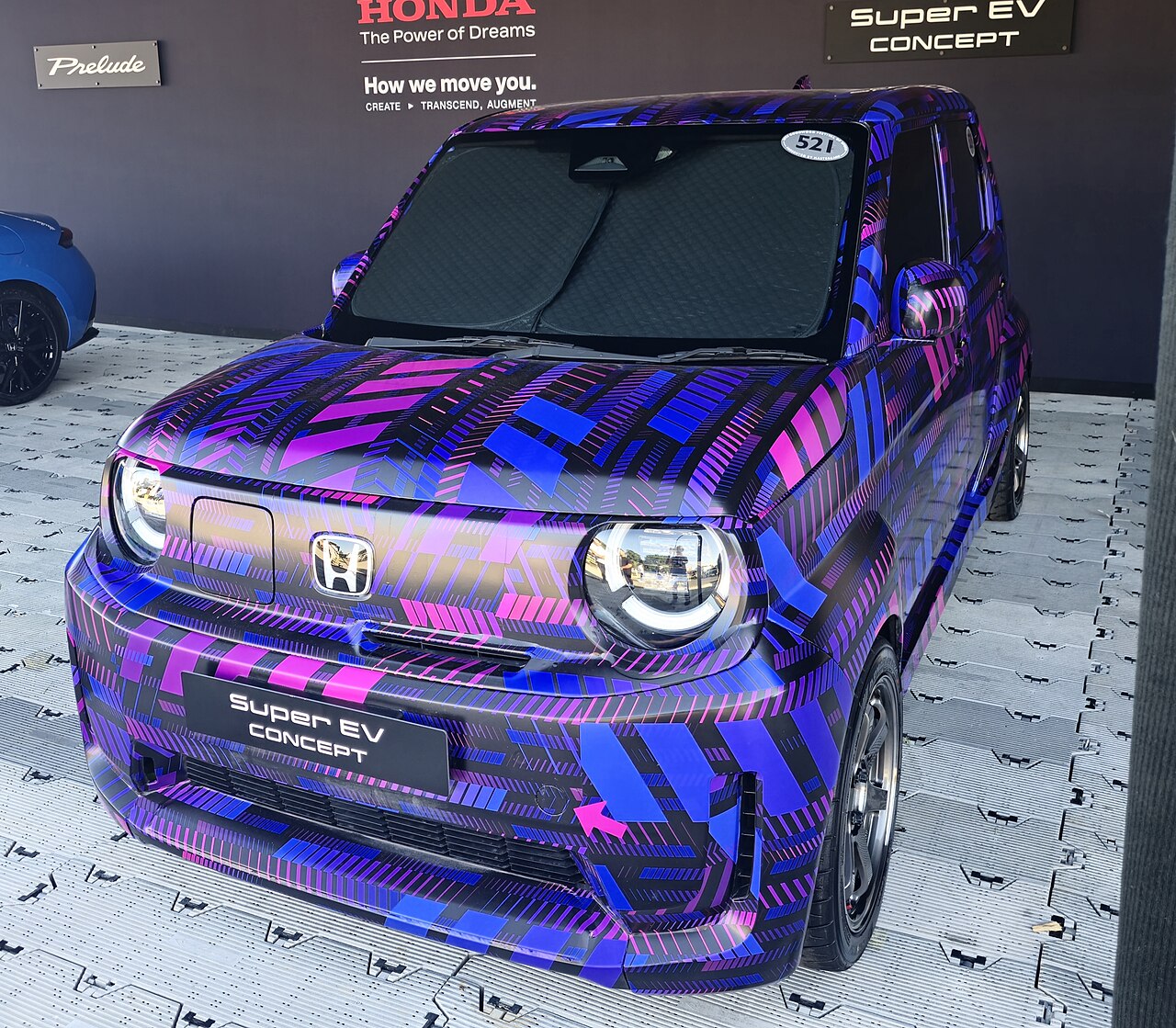
The original Honda presentation frames Super EV as an A-segment compact electric vehicle intended to combine usability with an engaging driving experience. It also describes U.K. road testing before the Goodwood event, using the eye-catching purple camouflage. The selected photograph documents that original concept configuration on the display stand. It does not establish the installed battery capacity, motor rating or final drive arrangement. Those fields remain unset rather than taking numbers from a later production car. A manufacturer-confirmed running demonstration establishes operation at a particular event; it is different evidence from a complete, independently measured technical specification.
Design in the supplied photograph
The photographed vehicle uses a compact, upright cabin above a strongly defined lower body. Purple, blue and dark graphic elements break up the surfaces, while round front lamps create a clear face within the busy pattern. The wheels and extended-looking arch treatment give the small body an emphatic stance. A front three-quarter view is particularly helpful here because it shows the relationship between short nose, passenger compartment and side panels. These are observations of the physical display car. The graphic wrap is part of the photographed development presentation, not evidence that a future retail vehicle used the same finish or body specification.
Identifying the original configuration
The photo source explicitly names Honda Super EV Concept and records the image on 10 July 2025. The stand’s model lettering and visible purple development treatment support the match to Honda’s Goodwood presentation. Keep that exact name and event date when using the photograph. An ordinary N-ONE, a later Super-ONE Prototype or a customer Super-N would illustrate another subject or development stage. A complete archive could add construction identifiers, cockpit images, test logs and subsequent display records. Each would document the individual object’s history without assuming that every appearance represented a different fabricated vehicle or that one photographed example was the only car built.
Programme scope and development history
Honda’s October 2025 Super-ONE announcement is useful because it looks back at the Super EV Concept’s Goodwood run and identifies the earlier concept as a basis for the later prototype. That connection belongs in the history, but it does not make the two stages interchangeable. Features described for Super-ONE, including its later control proposals, should retain their own dates and programme names. The same applies to any eventual customer specifications. Preserve the Goodwood concept’s original body, wrap and exhibition context as a defined historical configuration. Later development can then be followed clearly without overwriting the evidence attached to the July presentation.
Collector context and preservation
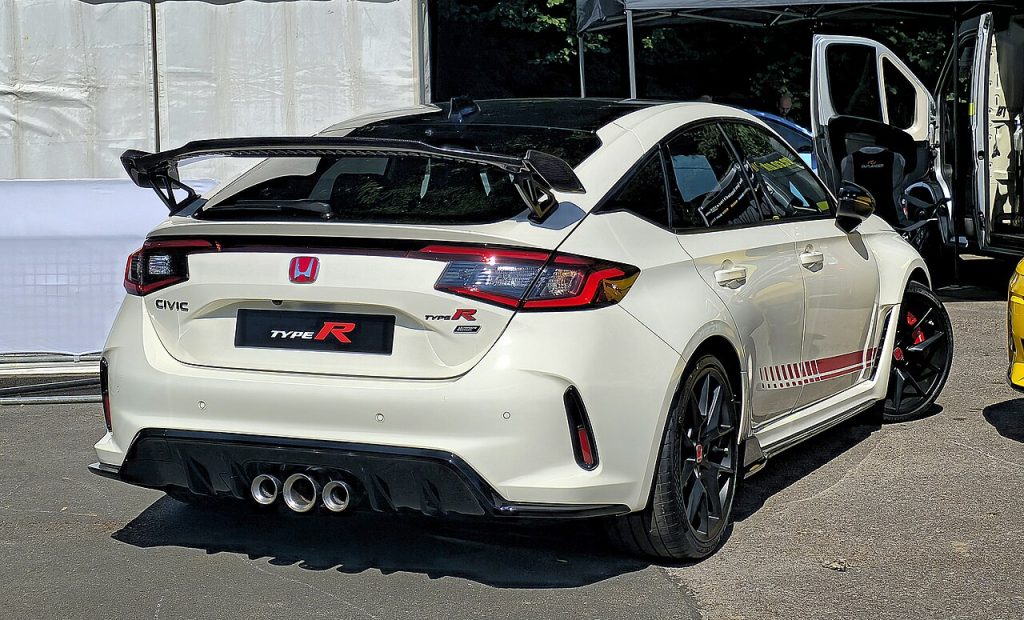
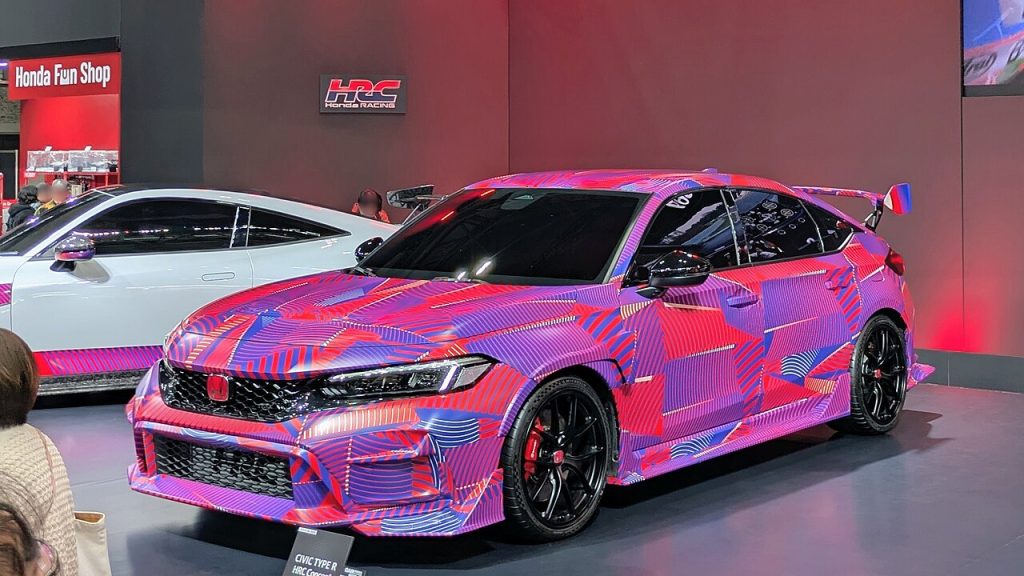
Super EV makes an effective comparison with the Ultimate Edition and HRC Concept because it expresses sporting intent through a different vehicle scale. Its compact outline invites discussion of how a small cabin and strongly framed wheels create visual energy, while the Civic photographs organize that theme around a longer hatchback body. Those comparisons concern design and programme purpose. They do not require a guessed acceleration figure or an invented shared platform. A collection record should give the operating demonstration, display photograph and any later component changes their own dated entries. That preserves the concept’s documented appeal while leaving the unanswered engineering and construction questions available for future research.
Reading the evidence for this profile
The original source links below identify the programme and the historical statements used in this article. The photograph has its own creator and licence record, separate from the manufacturer’s vehicle history. Keep both when transferring this profile into a collection catalogue. A manufacturing tally describes how many cars belong to a defined original programme; it does not measure how many survive, how many are publicly visible, or how many retain all their original components. Those individual questions require dated chassis and restoration evidence. The reference year likewise describes the programme’s introduction or named historic configuration, while the supplied caption states the photographed setting and any established individual identity. This lets future research expand the car’s history without blurring the scope of the record already assembled here.
Specifications and verified rarity
| Reference year | 2025 |
|---|---|
| Model / programme | Super EV Concept |
| Body / role | Compact running electric concept |
| Power unit / proposal | Compact battery-electric vehicle; original concept battery capacity and motor output unconfirmed |
| Layout / transmission | Manufacturer-confirmed running concept; exact installed drive layout and transmission specification unset |
| Exact manufacturing tally | Not established |
| Rarity evidence | Physical concept archive scope; tally unknown |
| Rarity scope | Physical Honda Super EV Concept premiered at Goodwood Festival of Speed in July 2025; Honda later confirms its dynamic hill-climb run. Complete fabrication tally unknown. The subsequent Super-ONE Prototype and retail Super-ONE/Super-N stages remain separate; their later specifications and counts are not assigned to this concept. |
| Inventory reference | HON-151 — Verified |
Frequently asked questions
What is the Honda Super EV Concept?
A physical Honda compact electric concept shown and driven at Goodwood in July 2025, with its complete fabrication tally and original installed power figures unconfirmed.
What engineering defines this vehicle?
Compact battery-electric vehicle; original concept battery capacity and motor output unconfirmed. Manufacturer-confirmed running concept; exact installed drive layout and transmission specification unset. The specifications describe the original programme or published concept proposal. An individual example’s installed equipment and any later changes need their own dated evidence.
Did the Super EV Concept actually run at Goodwood?
Yes. Honda’s October 2025 retrospective confirms its dynamic hill-climb run at the July event. The supplied photograph shows the static display. The confirmed demonstration establishes a physical running concept, while its complete fabrication tally and installed power figures remain unconfirmed here.
How should an individual Super EV Concept be authenticated?
Connect the chassis identifier to original delivery, edition or custodial records. Compare period exterior, cabin and mechanical photographs with the documented configuration. Record replacement parts, paint changes and restoration work as dated events. A badge or colour alone cannot establish that a car belongs to this original programme.
What rarity or archive scope is verified?
Physical Honda Super EV Concept premiered at Goodwood Festival of Speed in July 2025; Honda later confirms its dynamic hill-climb run. Complete fabrication tally unknown. The subsequent Super-ONE Prototype and retail Super-ONE/Super-N stages remain separate; their later specifications and counts are not assigned to this concept.
Who took the supplied photograph?
Calreyn88 via Wikimedia Commons, under CC0. The original file and licence links accompany the image. Retain that credit when the photograph is uploaded, exported or reused.
Related Honda family profiles
Sources and photo credits
- Original manufacturer or contemporaneous programme record
- Honda Goodwood event record
- Honda October retrospective confirming the original concept’s dynamic run
Photograph: Calreyn88 via Wikimedia Commons original file, CC0. Source-provided photograph supplied without local cropping, retouching or text removal. A source thumbnail is used where available. Honda Super EV Concept on its Goodwood Festival of Speed display stand, photographed on 10 July 2025. The static photograph documents the original concept; the dynamic run is established separately by Honda’s later account.
Built in limited numbers
Physical Honda Super EV Concept premiered at Goodwood Festival of Speed in July 2025; Honda later confirms its dynamic hill-climb run. Complete fabrication tally unknown. The subsequent Super-ONE Prototype and retail Super-ONE/Super-N stages remain separate; their later specifications and counts are not assigned to this concept.
Gallery
Specifications
Factory specifications may vary by model year, market and configuration.
Identity & production
- Official model
- Super EV Concept