2023 Honda SUSTAINA-C Concept
Honda SUSTAINA-C Concept: the corrected 2023 debut, recycled-acrylic research and a credited concept photograph.
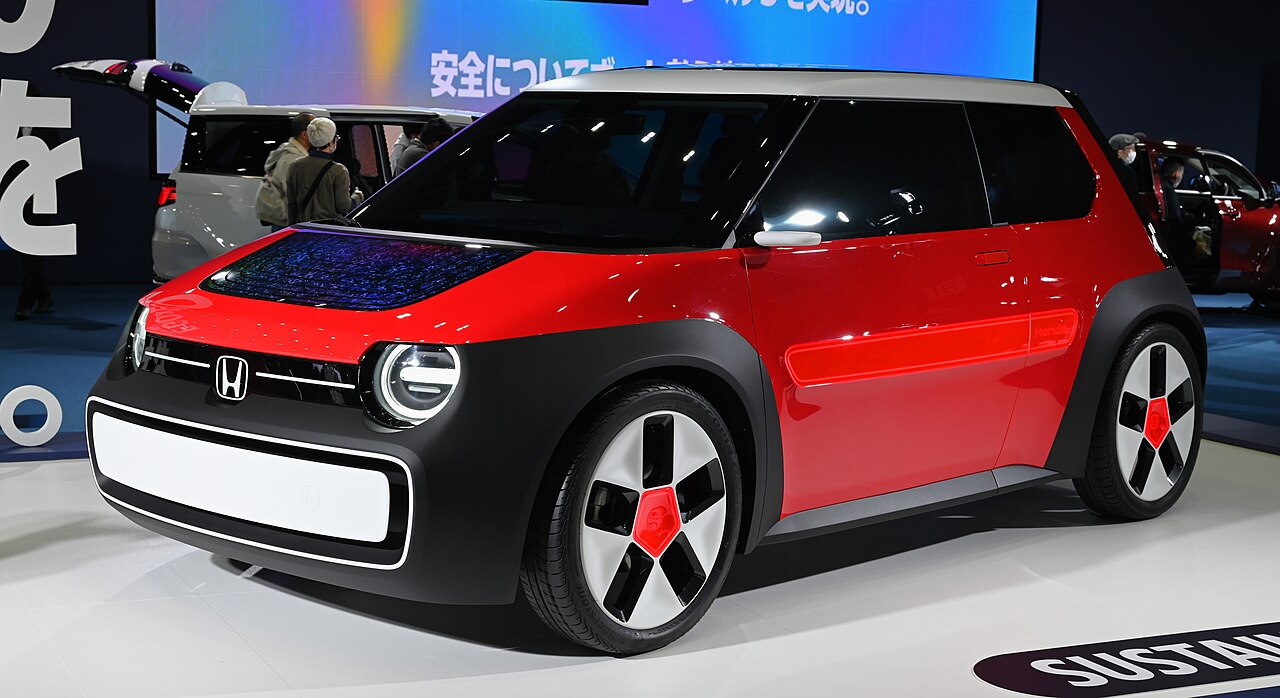
The Honda SUSTAINA-C Concept introduced a materials-centred electric-vehicle proposal in 2023.
History and purpose
The Honda SUSTAINA-C Concept introduced a materials-centred electric-vehicle proposal in 2023. Honda’s original exhibit announcement establishes the year, correcting the inventory’s 2024 heading. Later appearances belong to the same concept’s exhibition history rather than automatically creating another programme. The physical show subject is verified, while its complete fabrication tally remains unknown. Its central historical question concerns the relationship between material reuse and an appealing vehicle design. This profile therefore gives the body-panel research a clear place in the story without borrowing Honda e retail production numbers or assigning an undocumented installed battery specification.
Design and engineering
Honda’s technical account describes recycled acrylic body panels and development with Mitsubishi Chemical. It explains how colour and material properties can support a body without conventional coating, including the use of moulding patterns as design features. The supplied red-and-dark concept makes the contrast between brightly coloured outer panels and the dark cabin easy to see. Round front lighting and strong wheel graphics give the compact shape a friendly expression. Those are observations of the display object, not a full life-cycle assessment. The material proposal does not independently establish measured environmental savings for every fabricated component or a retail vehicle’s manufacturing process.
Identifying the original configuration
The photograph explicitly names Honda SUSTAINA-C Concept and dates the view to November 2023. Keep that date with the corrected original presentation year; the workbook’s 2024 title remains a searchable alias. A Honda e photograph would show another vehicle, even if the compact proportions appear related. An object file could add panel samples, construction notes, repair history and dated exhibition changes. Honda’s material-development description belongs to the concept proposal, while any claim about a particular panel’s composition would benefit from its own production or custodial record. Exterior appearance alone cannot identify the chemistry of every component.
Collector context and preservation
SUSTAINA-C is useful beside Urban EV and e Prototype because it adds a different question to the electric design story. The photographs can explain body scale and graphic treatment, while the sources distinguish a materials demonstrator from passenger-car development stages. A collection display might pair the exterior image with credited detail photographs of the panels and rear lighting presentation. Preserve the material research attribution and avoid converting design intent into a quantified environmental result. If later records document construction or restoration, add them as dated evidence. The concept’s historical identity can then grow without losing the distinction between the original 2023 proposal and later exhibitions.
Panel-detail photographs would be especially valuable for this concept because its story concerns materials as much as silhouette. Keep any observed pattern or finish separate from a laboratory claim about composition. That distinction allows the visual archive and the engineering record to support each other without becoming interchangeable.
Reading the evidence for this profile
The original source links below identify the programme and the historical statements used in this article. The photograph has its own creator and licence record, separate from the manufacturer’s vehicle history. Keep both when transferring this profile into a collection catalogue. A manufacturing tally describes how many cars belong to a defined original programme; it does not measure how many survive, how many are publicly visible, or how many retain all their original components. Those individual questions require dated chassis and restoration evidence. The reference year likewise describes the programme’s introduction or named historic configuration, while the supplied caption states the photographed setting and any established individual identity. This lets future research expand the car’s history without blurring the scope of the record already assembled here.
Specifications and verified rarity
| Reference year | 2023 |
|---|---|
| Model / programme | SUSTAINA-C Concept |
| Body / role | Compact electric materials-demonstration concept |
| Power unit / proposal | Electric-vehicle proposal; installed output and battery capacity unconfirmed |
| Layout / transmission | Recycled-acrylic body-panel research with Mitsubishi Chemical collaboration |
| Exact manufacturing tally | Not established |
| Rarity evidence | Physical concept archive scope; tally unknown |
| Rarity scope | Physical Honda SUSTAINA-C Concept first presented in 2023. Workbook 2024 date is retained as a later-display alias. Complete fabrication tally unknown; no Honda e retail count, battery size or output assigned. |
| Inventory reference | HON-147 — Verified |
Frequently asked questions
What is the Honda SUSTAINA-C Concept?
A physical 2023 Honda electric concept focused on recycled-acrylic body panels and resource-circulation research.
What engineering defines this vehicle?
Electric-vehicle proposal; installed output and battery capacity unconfirmed. Recycled-acrylic body-panel research with Mitsubishi Chemical collaboration. The specifications describe the original programme or published concept proposal. An individual example’s installed equipment and any later changes need their own dated evidence.
Why does this profile use 2023?
This is the documented introduction or original configuration year. Photograph dates and market model years can differ. Keeping those dates separate makes it possible to follow the car’s development without creating a second identity for the same programme.
How should an individual SUSTAINA-C Concept be authenticated?
Connect the chassis identifier to original delivery, edition or custodial records. Compare period exterior, cabin and mechanical photographs with the documented configuration. Record replacement parts, paint changes and restoration work as dated events. A badge or colour alone cannot establish that a car belongs to this original programme.
What rarity or archive scope is verified?
Physical Honda SUSTAINA-C Concept first presented in 2023. Workbook 2024 date is retained as a later-display alias. Complete fabrication tally unknown; no Honda e retail count, battery size or output assigned.
Who took the supplied photograph?
TTTNIS via Wikimedia Commons, under CC0. The original file and licence links accompany the image. Retain that credit when the photograph is uploaded, exported or reused.
Related Honda family profiles
Sources and photo credits
- Original manufacturer or contemporaneous programme record
- Honda technical account: recycled acrylic and development partners
Photograph: TTTNIS via Wikimedia Commons original file, CC0. Source-provided photograph supplied without local cropping, retouching or text removal. A source thumbnail is used where available. Honda SUSTAINA-C Concept photographed on 23 November 2023. The programme began in 2023; the workbook’s 2024 heading is a later-date lookup alias.
Built in limited numbers
Physical Honda SUSTAINA-C Concept first presented in 2023. Workbook 2024 date is retained as a later-display alias. Complete fabrication tally unknown; no Honda e retail count, battery size or output assigned.
Gallery
Specifications
Factory specifications may vary by model year, market and configuration.
Identity & production
- Official model
- SUSTAINA-C Concept