2011 Mazda Takeri
Explore the 2011 Mazda Takeri: programme history, design, verified rarity scope, specifications and credited photography.
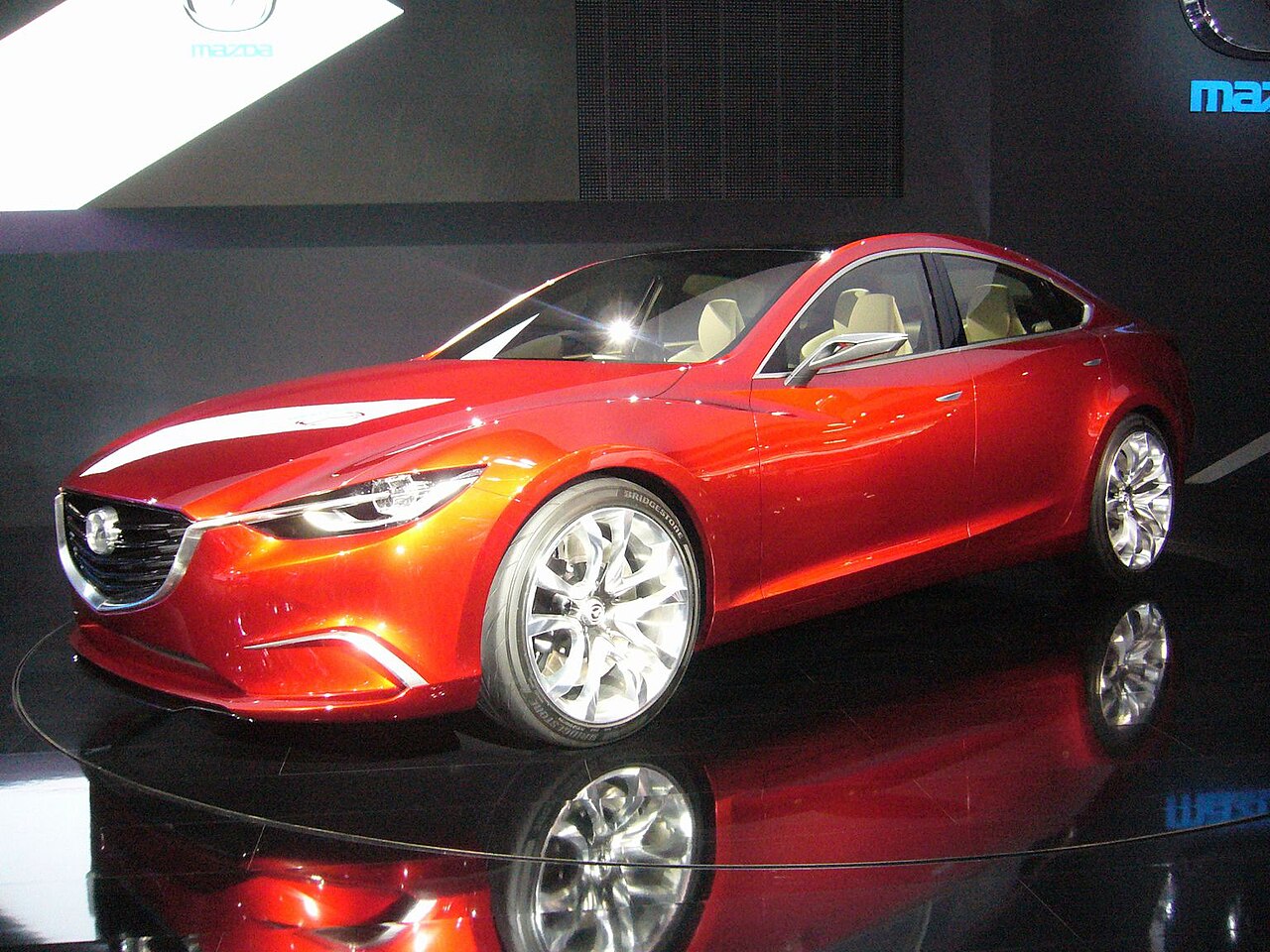
Mazda Takeri brought Kodo styling and SKYACTIV technology into a midsize-sedan concept for the 2011 Tokyo Motor Show. Its physical exhibition image shows the proposal in full scale. The archive distinguishes the concept’s published systems from later production-car specifications and customer build totals.
History and verified programme identity
Mazda’s 25 October 2011 announcement identifies Takeri as the next-generation midsize-sedan concept for the Tokyo show, with press days beginning 30 November. It presents the car alongside the new CX-5 and other manufacturer exhibits. That context makes Takeri a physical reference exhibit in a specific development programme. Its connection with future sedan design is useful, but a later Mazda 6 production count cannot serve as the concept’s own fabrication tally.
Engineering and design
The maker describes a SKYACTIV-D diesel proposal, idle-stop technology and regenerative braking within the concept. These statements retain their development context rather than being treated as a test of the displayed car. The photograph shows a four-door red body with a strong front grille and tightly drawn cabin. As design analysis, the crisp proportions make the technical proposal look relatively close to a recognisable sedan package, unlike Taiki’s much more extreme rear-wheel treatment. The published specification describes the programme or the explicitly named configuration. An individual car can receive revised parts during use or restoration. Keep those changes dated when comparing it with other Mazdas, so current hardware does not silently rewrite the original engineering record. Weight and output figures also require their printed measurement convention and market context rather than being treated as measurements of the pictured vehicle.
The physical car in the supplied photograph
CEFICEFI photographed the physical Takeri show car. The original file identifies it with the Japanese name雄, matching Mazda’s Takeri designation. The real front-side view shows the red body on an exhibition platform. It illustrates the actual concept rather than a later production Mazda 6 photographed in a similar colour.
How to identify and compare the programme
Preserve Takeri’s 2011release and show photographs as the concept-stage record. The manufacturer’s proposed systems explain what the study was intended to demonstrate, while production implementation should be documented separately. A similar silhouette is useful for design comparison but does not establish identical hidden parts. The archive’s value lies in the proposal’s place in Mazda development, not in assigning a fictional road-car sales allocation to the show object.
Collecting and chassis evidence
An individual Takeri record starts with its original chassis identity, delivery specification and dated documents. Preserve the engine and body references separately where the car was coachbuilt or changed during competition. Original correspondence, build sheets and early photographs can establish details that a modern exterior cannot show. Record replacement panels, engine changes and restoration work chronologically. A present appearance may differ from the original specification without representing a second manufactured vehicle. For a numbered edition, retain its plate and allocation paperwork alongside the chassis file. Historical names and race numbers are useful search references, but they are not substitutes for permanent identity or a reconciled production register.
Related Mazda designs and meaningful comparisons
The Takeri belongs to Kodo Design Concepts. Compare it with the two linked profiles to follow how Mazda changed its engineering or its presentation. Their original model identities remain separate, even when a coachbuilder, engine family or anniversary theme connects them. Shared ancestry does not merge their manufactured quantities or make their photographs interchangeable.
Reading the sources
The programme sources and the photograph answer different questions. Manufacturer and custodial records establish the original model, Type, category and published production scope. The creator’s file establishes the pictured subject, setting and image permission. An individual chassis history can then add ownership, competition entries and dated repairs without changing the scope of the original programme. Build references are not survivor counts, and a later specification does not automatically become an additional newly manufactured vehicle. Where primary evidence does not establish a complete fabrication census, that field remains unassigned.
Specifications and rarity evidence
| Programme reference year | 2011 |
|---|---|
| Model / Type | Takeri — Kodo Design Concepts |
| Body / competition role | Physical development prototype |
| World-show programme | 2011 Tokyo Motor Show |
| Body proposal | Next-generation midsize sedan |
| Design language | Kodo / Soul of Motion |
| Published powertrain intention | SKYACTIV-D diesel concept |
| Published systems intention | Idle stop and regenerative braking |
| Published build / register reference | No complete tally assigned |
| Independently audited completed tally | Not assigned |
| Count scope | Manufacturer-confirmed physical Takeri reference exhibit at the 2011 Tokyo Motor Show. Published SKYACTIV-D and regenerative-system descriptions are concept-programme statements, separate from the later production Mazda 6. The workbook’s one-car label does not establish a newly audited complete prototype fabrication count. |
| Manufacturer / archive identity | Mazda Takeri |
Frequently asked questions
What does the published rarity reference cover?
Manufacturer-confirmed physical Takeri reference exhibit at the 2011 Tokyo Motor Show. Published SKYACTIV-D and regenerative-system descriptions are concept-programme statements, separate from the later production Mazda 6. The workbook’s one-car label does not establish a newly audited complete prototype fabrication count.
How is Takeri classified?
This is a physical concept or competition archive. Its documented exhibit or chassis identity remains separate from road-car production. Proposed systems, present hardware and an original build census answer different questions.
Which technical details are established for the programme?
The primary record supports world-show programme: 2011 Tokyo Motor Show; body proposal: Next-generation midsize sedan; design language: Kodo / Soul of Motion. These are programme or explicitly attributed photo references. A particular surviving car’s engine, chassis repairs and competition preparation require its own dated documentation.
Does the photographed appearance establish factory originality?
The caption records a real creator-identified Takeri subject and its documented setting. It establishes the illustration’s scope, while original components, restoration work and individual race provenance require chassis-specific evidence. A competition number, current paint or museum display is not used as an originality certificate.
What rarity or archive scope is verified?
Manufacturer-confirmed physical Takeri reference exhibit at the 2011 Tokyo Motor Show. Published SKYACTIV-D and regenerative-system descriptions are concept-programme statements, separate from the later production Mazda 6. The workbook’s one-car label does not establish a newly audited complete prototype fabrication count.
Who photographed the supplied image?
CEFICEFI via Wikimedia Commons, under CC BY-SA 3.0. The original file and licence are linked with the image. Retain the creator, source and licence when uploading, exporting or reusing it; local retouching and synthetic enlargement have not been performed.
Related Mazda profiles
Sources and photo credits
Photograph: CEFICEFI via Wikimedia Commons original source, CC BY-SA 3.0. Original image or source-provided thumbnail supplied without local cropping, retouching or synthetic enlargement.
Built in limited numbers
Manufacturer-confirmed physical Takeri reference exhibit at the 2011 Tokyo Motor Show. Published SKYACTIV-D and regenerative-system descriptions are concept-programme statements, separate from the later production Mazda 6. The workbook’s one-car label does not establish a newly audited complete prototype fabrication count.
Gallery
Specifications
Factory specifications may vary by model year, market and configuration.
Identity & production
- Official model
- Takeri