
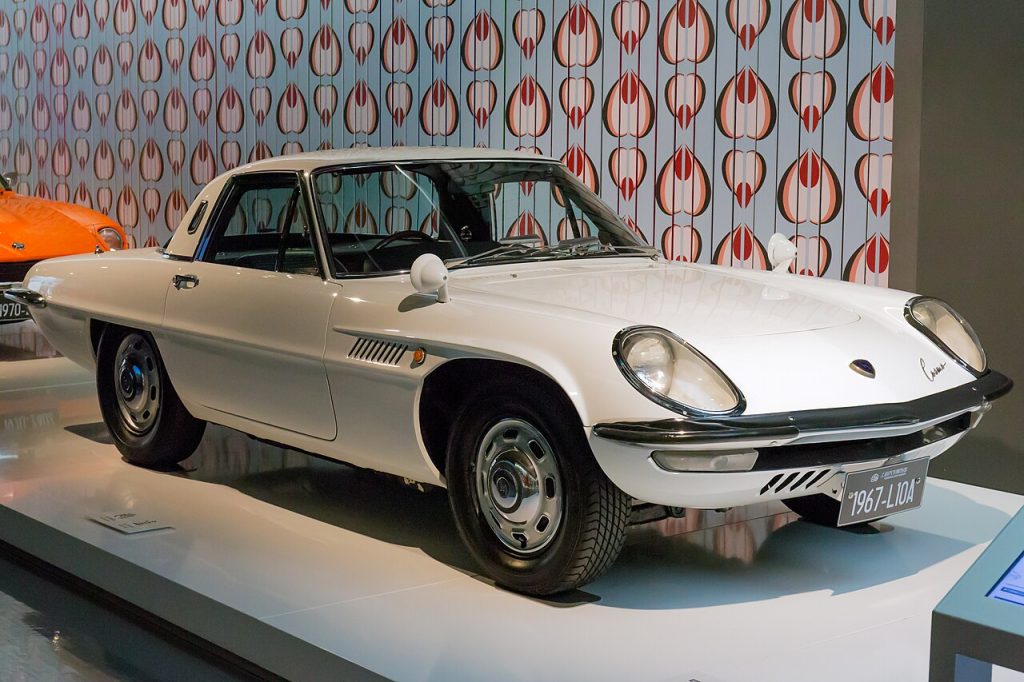
Mazda 1967
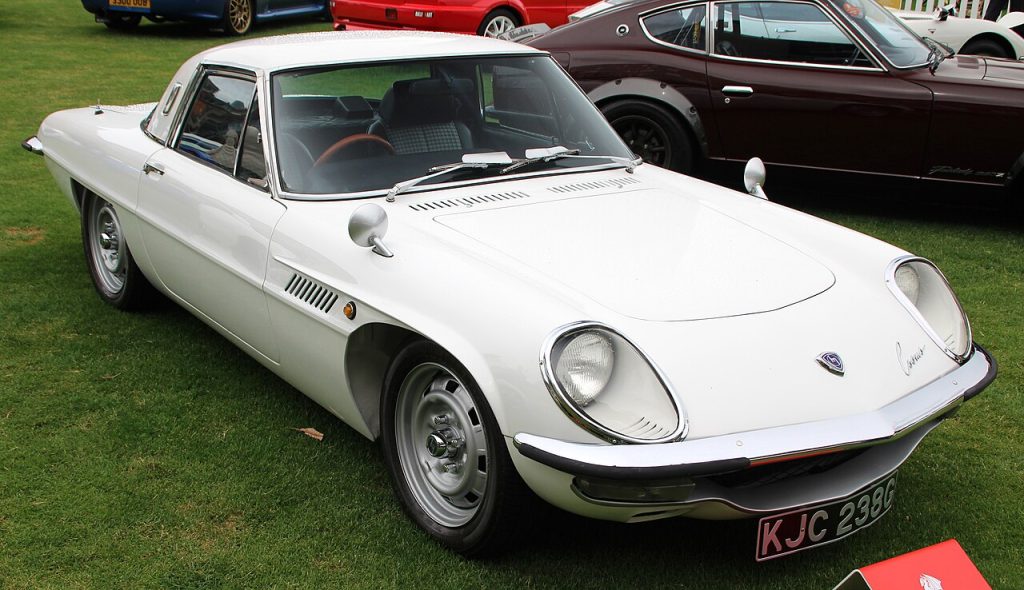
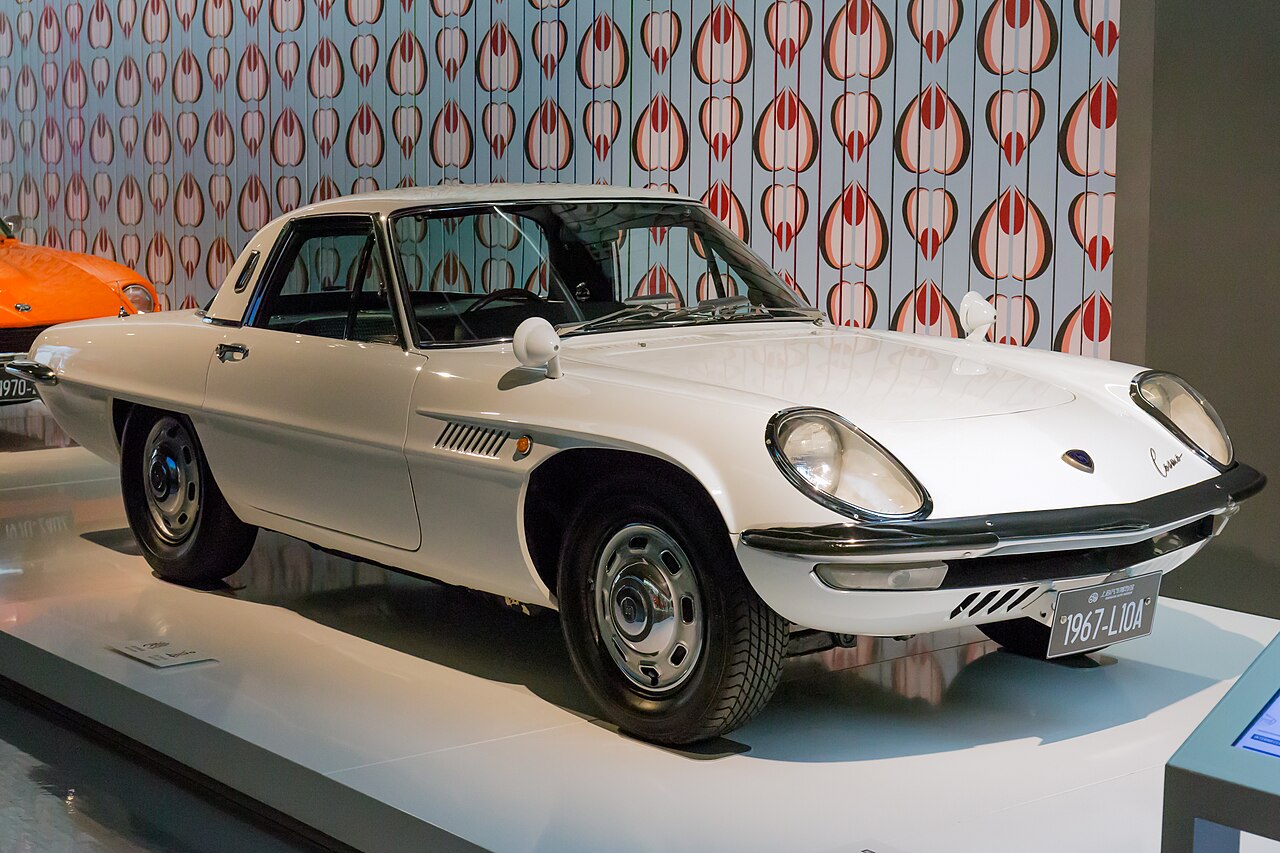
1967 Mazda Cosmo Sport 110S Series I
The 1967 Mazda Cosmo Sport 110S Series I made the twin-rotor engine the centre of a compact Japanese sports car. The L10A designation identifies the early production version, while 110S is its…

A MORE CONSIDERED COLLECTION
These are existing vehicle profiles grouped by their recorded classification. Read each profile for its own source notes, image context and production scope. A shared collection does not establish that different editions or chassis are the same identity.
THE COLLECTION
28 profiles
Mazda 1967
The 1967 Mazda Cosmo Sport 110S Series I made the twin-rotor engine the centre of a compact Japanese sports car. The L10A designation identifies the early production version, while 110S is its…
Mazda 1968
The Mazda Cosmo Sport 110S Series II continued the original twin-rotor sports car in its later L10B form. Its 1968 programme reference separates the revised series from the early L10A. A creator-identified…
Mazda 1970
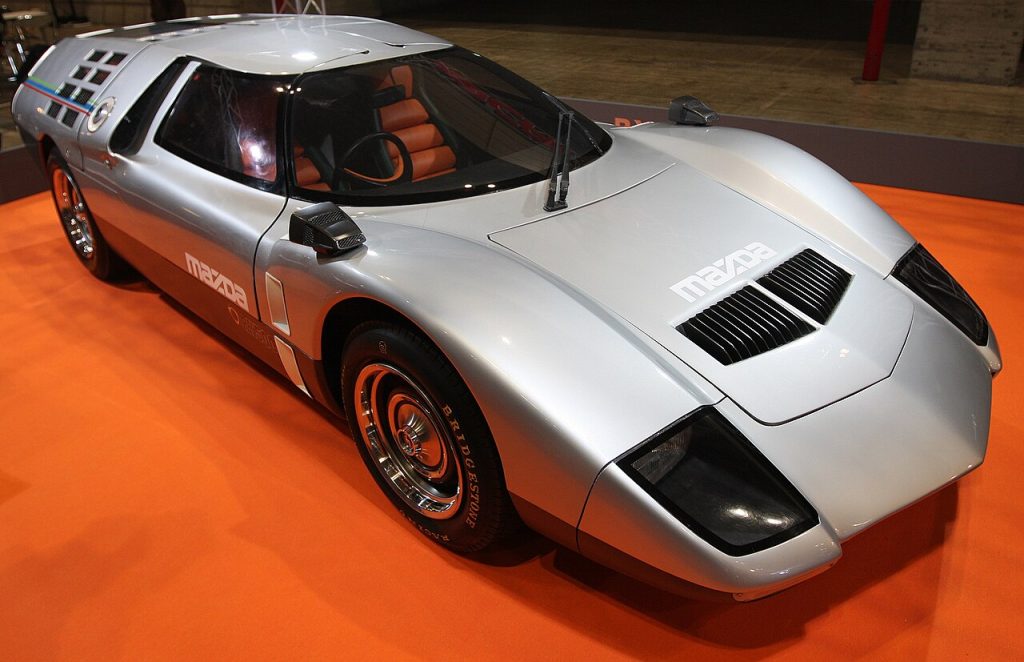
The Mazda RX-500 turned rotary packaging into a dramatic 1970 concept-car silhouette. Its low nose, elongated rear body and unusual display presence make it a distinctive part of Mazda’s experimental archive. The…
Mazda 1981
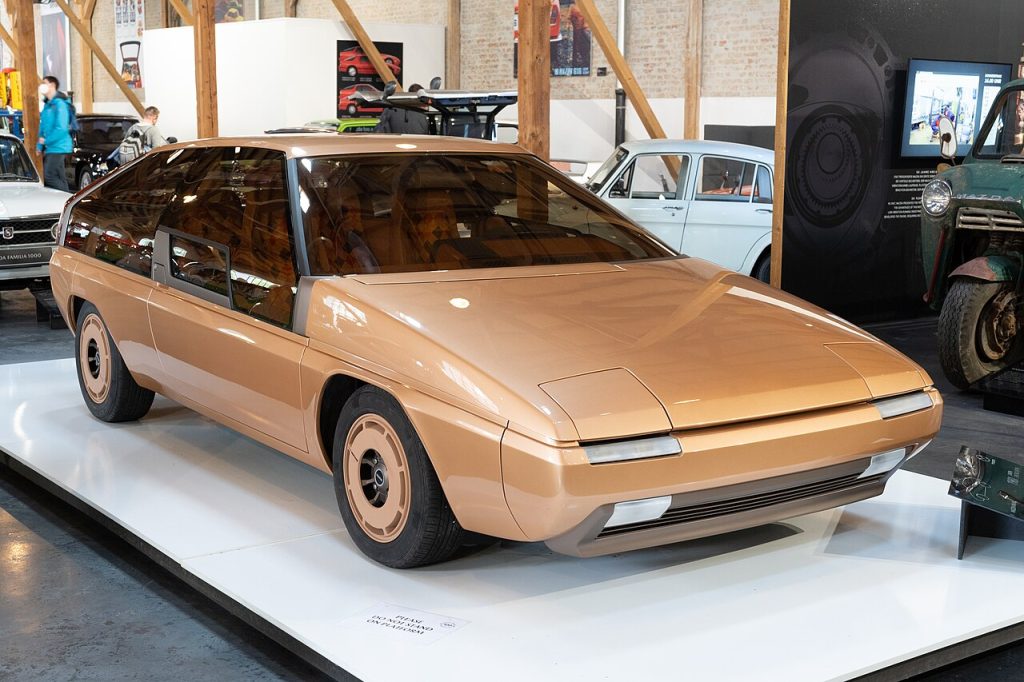
The 1981 Mazda MX-81 Aria brought Bertone design to an experimental Mazda hatchback. Its wedge body, expansive glass and radical cabin made the first MX-badged concept much more than a styling sketch.…
Mazda 1988
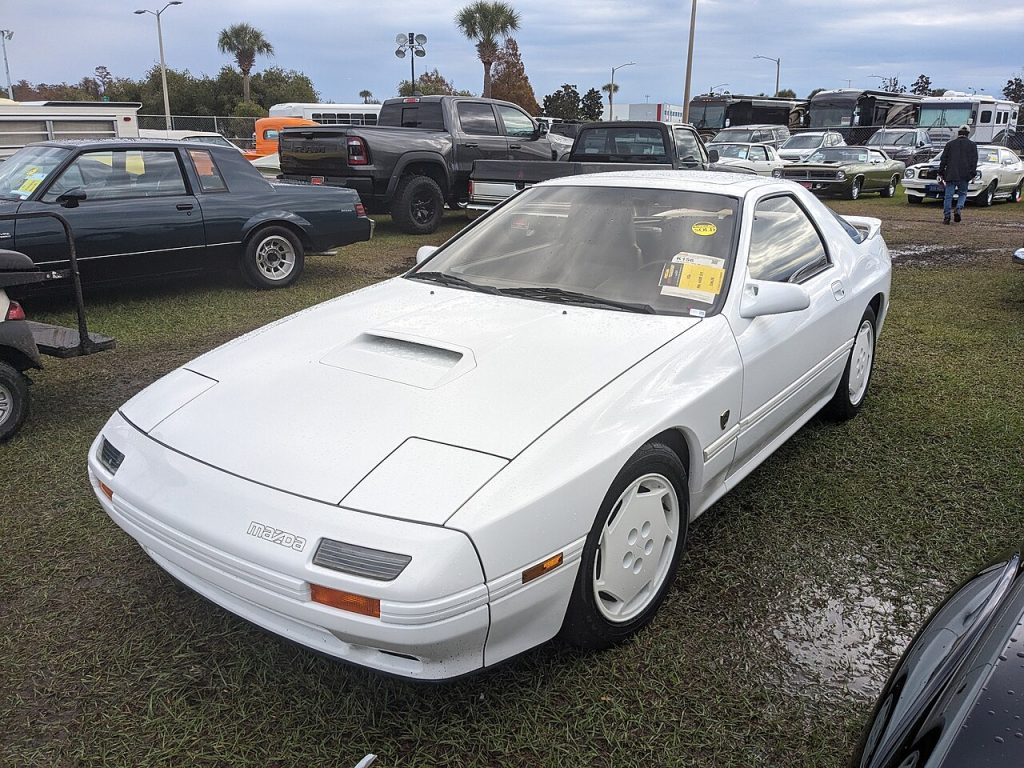
The 1988 Mazda RX-7 10th Anniversary Edition marked a decade of RX-7 with a distinct Turbo-based specification. Its white presentation and anniversary identity gave the second-generation coupé a defined collector programme. The…
Mazda 1991
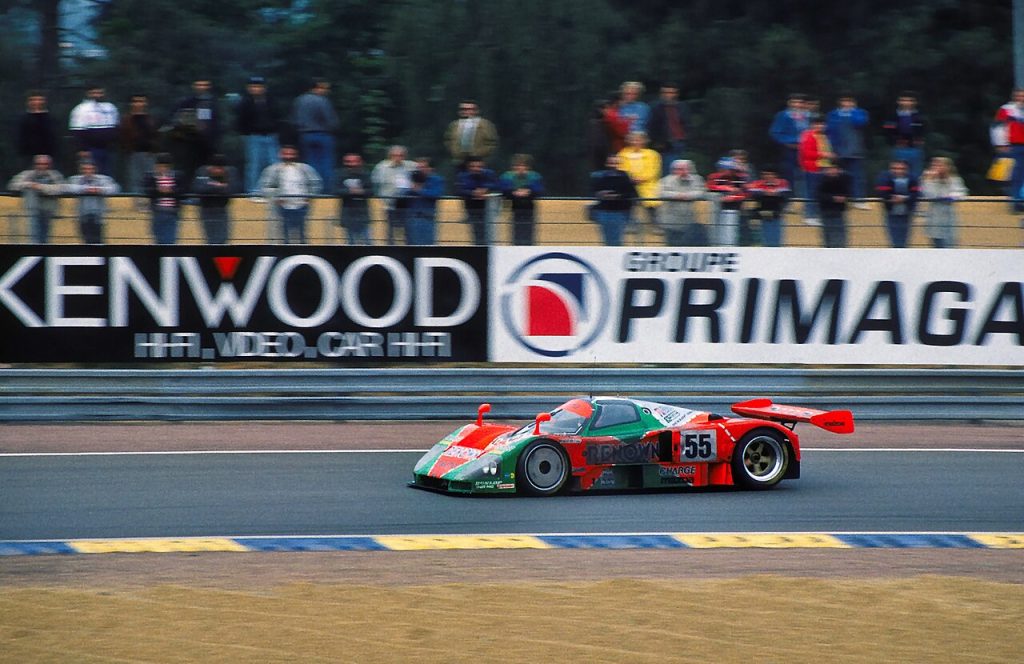
Mazda’s 1991 Le Mans winner is 787B-002, the car that raced as number 55. Distinguishing the chassis from its race number makes this historic record precise. The supplied period race photograph illustrates…
Mazda 1995
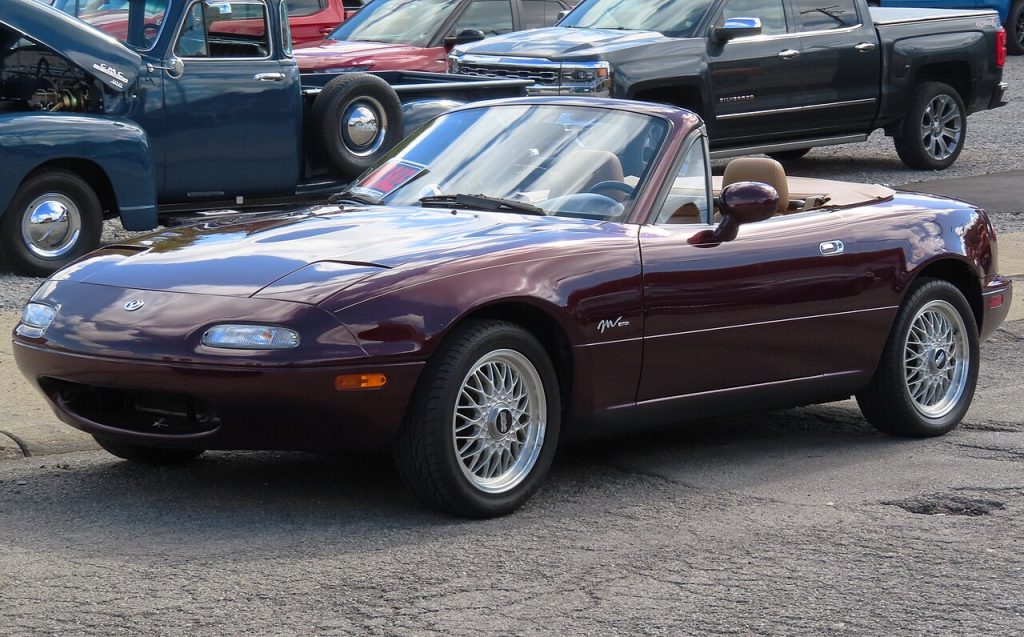
The 1995 Mazda MX-5 Miata M Edition paired the NA roadster with a Merlot Mica finish and an upscale edition identity. Its reported 3,500-car US-series reference concerns the named 1995 programme. A…
Mazda 1999
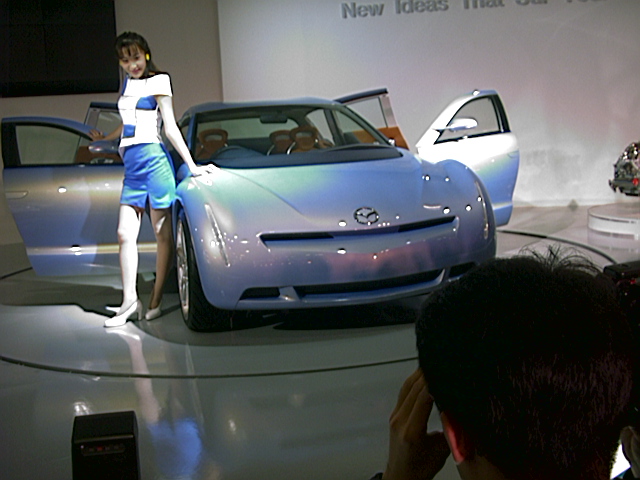
Mazda RX-EVOLV showed how a compact rotary sports car could accommodate four people. Presented in 1999, it connects Mazda’s rotary concept history with the later RX-8. The original motor-show photograph provides a…
Mazda 2002
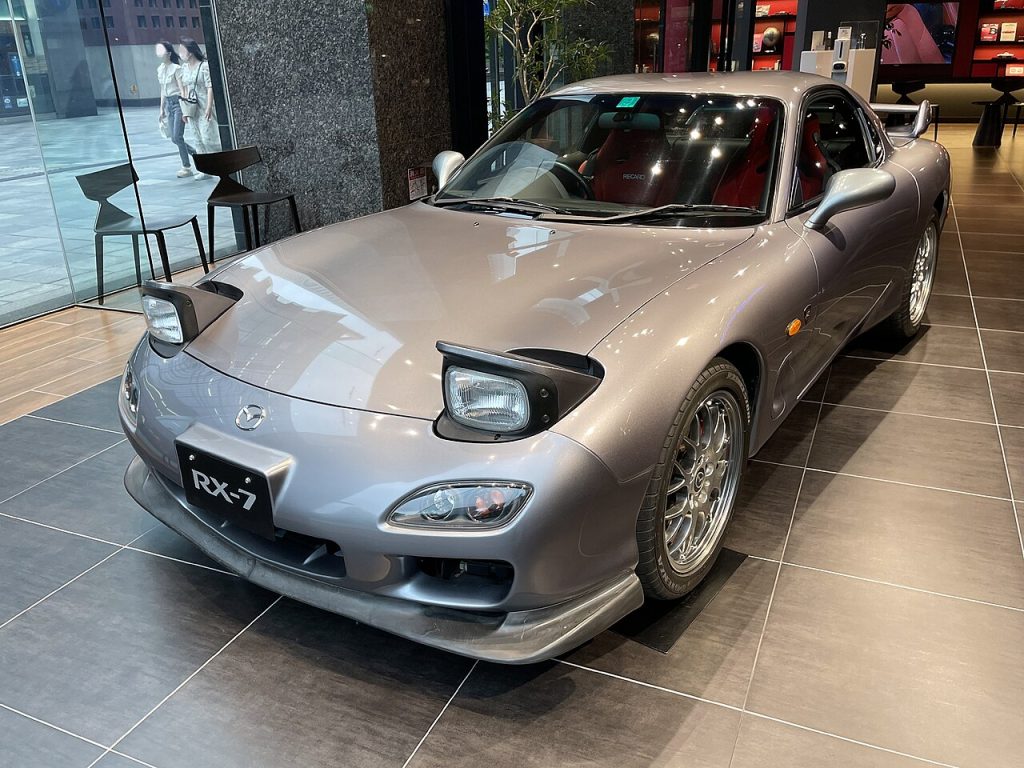
The 2002 Mazda RX-7 Spirit R Type A is the two-seat, manual-transmission branch of the final Spirit R series. Mazda’s 1,500-car announcement applies across three types. Keeping the Type A specification separate…
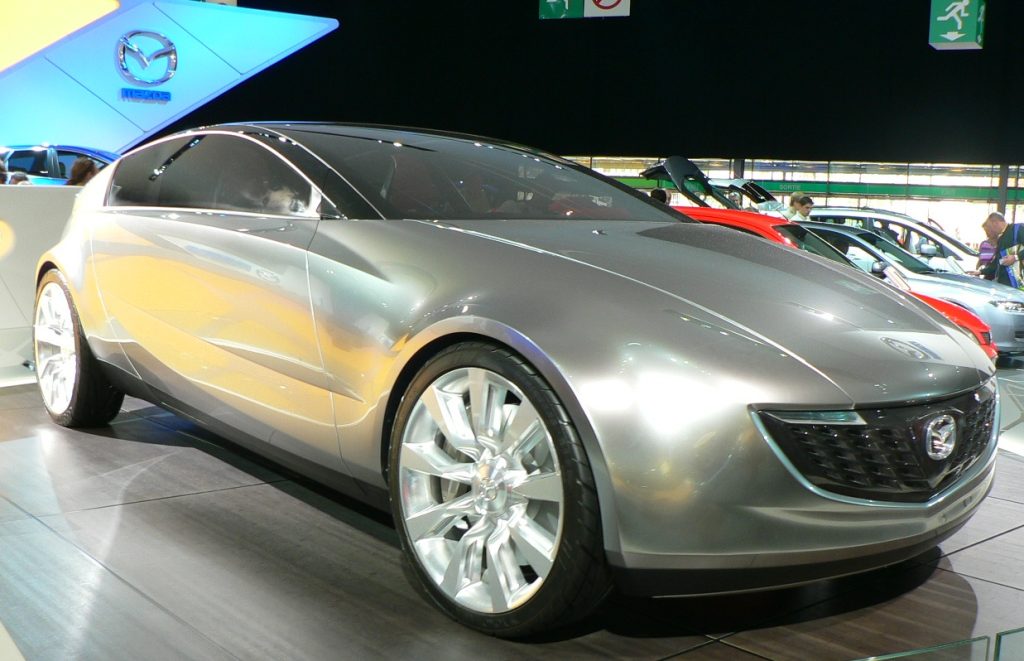
Mazda 2005
Mazda Senku proposed an elegant four-seat rotary sports car for mature drivers. Its 2005 Tokyo debut predates the 2006appearance used by the supplied photograph. Mazda’s concept description and the real Paris show…
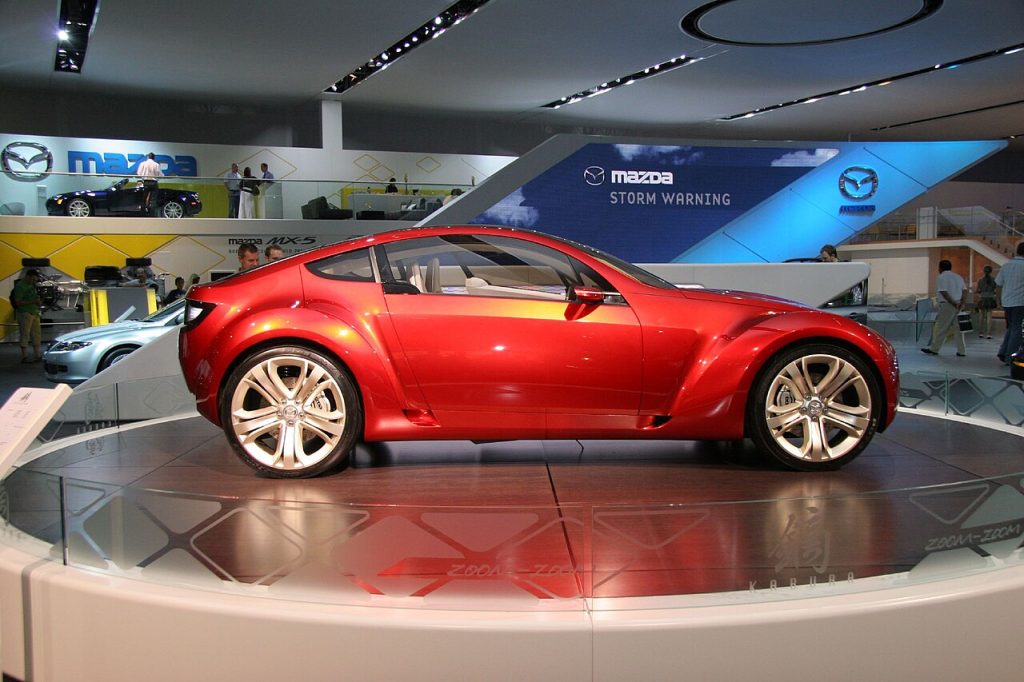
Mazda 2006
Mazda Kabura explored a compact sports coupé for a young audience, using a visibly different package from the company’s larger four-seat concepts. The car debuted in Detroit in 2006 following a December…
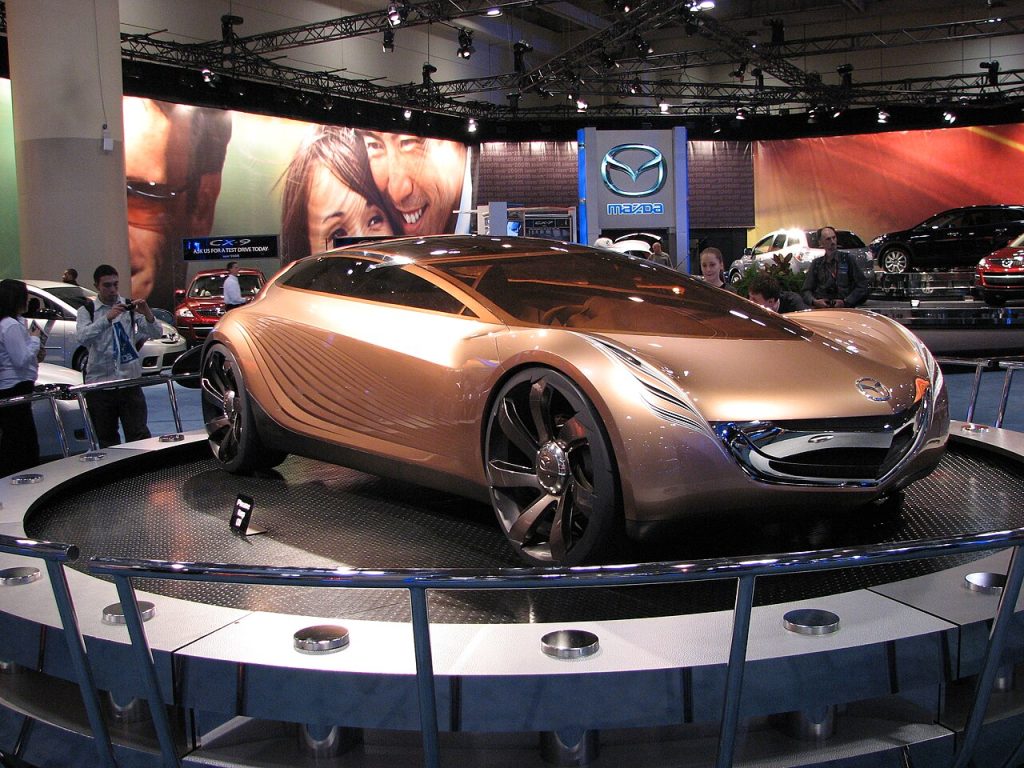
Mazda 2006
Mazda Nagare gave a name and a physical show car to the company’s flow-inspired design direction. Unveiled in Los Angeles in 2006, it made sculpted surface movement the focus of the concept.…
THE RARITY RIDES STANDARD
A limited offer is not automatically a completed-production total. A surviving vehicle is not a complete factory census. We keep those distinctions visible and link each collection back to the individual profile’s evidence.
Our editorial approach