2009 Mitsubishi Concept PX-MiEV
Explore Concept PX-MiEV: factory identity, history, specifications, rarity evidence, identification notes and credited photos.
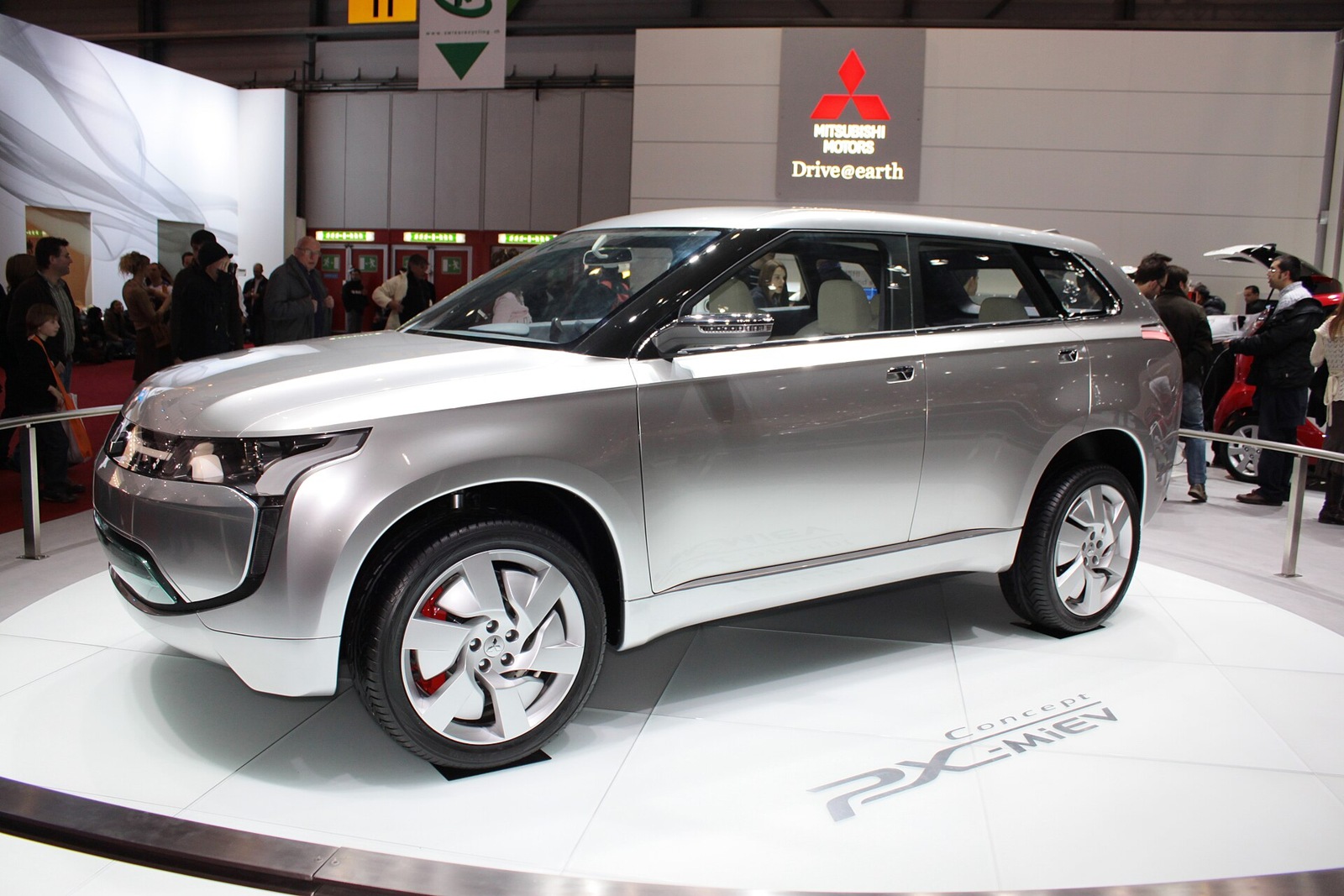
The original PX-MiEV investigated plug-in hybrid propulsion in a crossover body. It is the 2009 physical concept, with its own announced powertrain proposal, and is recorded separately from the larger PX-MiEV II shown in 2011.
The first PX-MiEV programme
Mitsubishi’s 41st Tokyo Motor Show announcement identifies the PX-MiEV as a world-premiere exhibit in 2009. The name’s PX refers to a plug-in hybrid crossover. The later Roman-numeral II is a meaningful identity distinction, not optional punctuation. A later show appearance of the first vehicle also belongs to its exhibition chronology, rather than automatically creating another concept programme.
Mitsubishi Motors original 2009 Tokyo release, carried by JCN Newswire / The Auto Channel
How the hybrid proposal was framed
The manufacturer release describes a gasoline engine working with electric propulsion and an S-AWC control proposal incorporating electric-powered active yaw control. It also describes domestic-supply and quick-charging options. These details establish the project’s technical direction. Claimed concept fuel economy is not entered as an independently tested consumption result, and a later production Outlander PHEV’s battery or motor specification is not substituted for this car.
Mitsubishi Motors original 2009 Tokyo release, carried by JCN Newswire / The Auto Channel
A crossover rather than a sports sedan
The upright cabin and relatively calm exterior treatment make the vehicle’s everyday-use brief visible. As editorial interpretation, this is a useful contrast with Concept-RA: both discuss sophisticated propulsion and vehicle control, but their bodies communicate very different kinds of use. That comparison concerns the briefs and presentation. It does not establish shared hardware or a direct one-to-one transfer into a production vehicle.
A physical concept and a limited road series
The archive follows the documented concept identity. It does not turn a photograph of one display vehicle into proof that exactly one engineering body was ever made. Styling models, running development vehicles and conserved exhibition objects may require different evidence. No customer road-production quantity or worldwide prototype census is assigned. The concept stays outside road-car production arithmetic and remains marked for the archive.
Mitsubishi Motors original 2009 Tokyo release, carried by JCN Newswire / The Auto Channel
Reading the evidence together
Start with the original manufacturer description for the programme’s name, date and proposed equipment. Use the photograph for the physical design and the exhibition event recorded in its caption. Keep those roles distinct when comparing related Mitsubishi entries. A later appearance, alternate angle or newly discovered picture should enrich this record’s chronology, rather than create a duplicate vehicle identity. Design comparisons in this article are editorial interpretation, not evidence of shared components.
Specification and identity reference
| Introduction | 2009 Tokyo Motor Show |
|---|---|
| Identity | Original Concept PX-MiEV; excludes 2011 PX-MiEV II |
| Propulsion proposal | Plug-in hybrid with gasoline and electric propulsion |
| Control proposal | S-AWC / E-AYC |
| Charging proposal | Domestic supply and quick charging |
Rarity and production scope
Documented physical concept identity. No customer road-production quantity or audited prototype-build census assigned.
This record belongs to the archive. Concepts are excluded from customer road-production totals; a documented individual is a member of its wider model series and is not added as extra production.
Identifying the documented subject
Match the complete model name, date and programme to the linked evidence. Keep any chassis-specific provenance separate from a general description of the model. A period image confirms what was photographed, while a production or technical claim requires the corresponding document.
Comparisons and related profiles
Continue through these connected Mitsubishi records, each with its own factory identity and production scope.
Frequently asked questions
What is the rarity scope of this archive record?
Documented physical concept identity. No customer road-production quantity or audited prototype-build census assigned.
Does the title date match every photograph?
2009 is the documentary reference used for the profile. A later exhibition or museum photograph can show the same programme. Its caption identifies the photographic scope without creating another edition.
Sources and further reading
Research checked 15 October 2026. Factory literature, independent EPC-derived records and photographic evidence are identified separately. Design readings and documentation guidance are editorial interpretation.
Built in limited numbers
Documented physical concept identity. No customer road-production quantity or audited prototype-build census assigned.
Gallery
Specifications
Factory specifications may vary by model year, market and configuration.
Identity & production
- Official model
- Mitsubishi Concept PX-MiEV
Sources and verification
Source citations are being prepared for this profile.