2006 Toyota Fine-T Concept
Explore the Toyota Fine-T Concept: history, verified identity, specification references, rarity evidence and real credited photos.
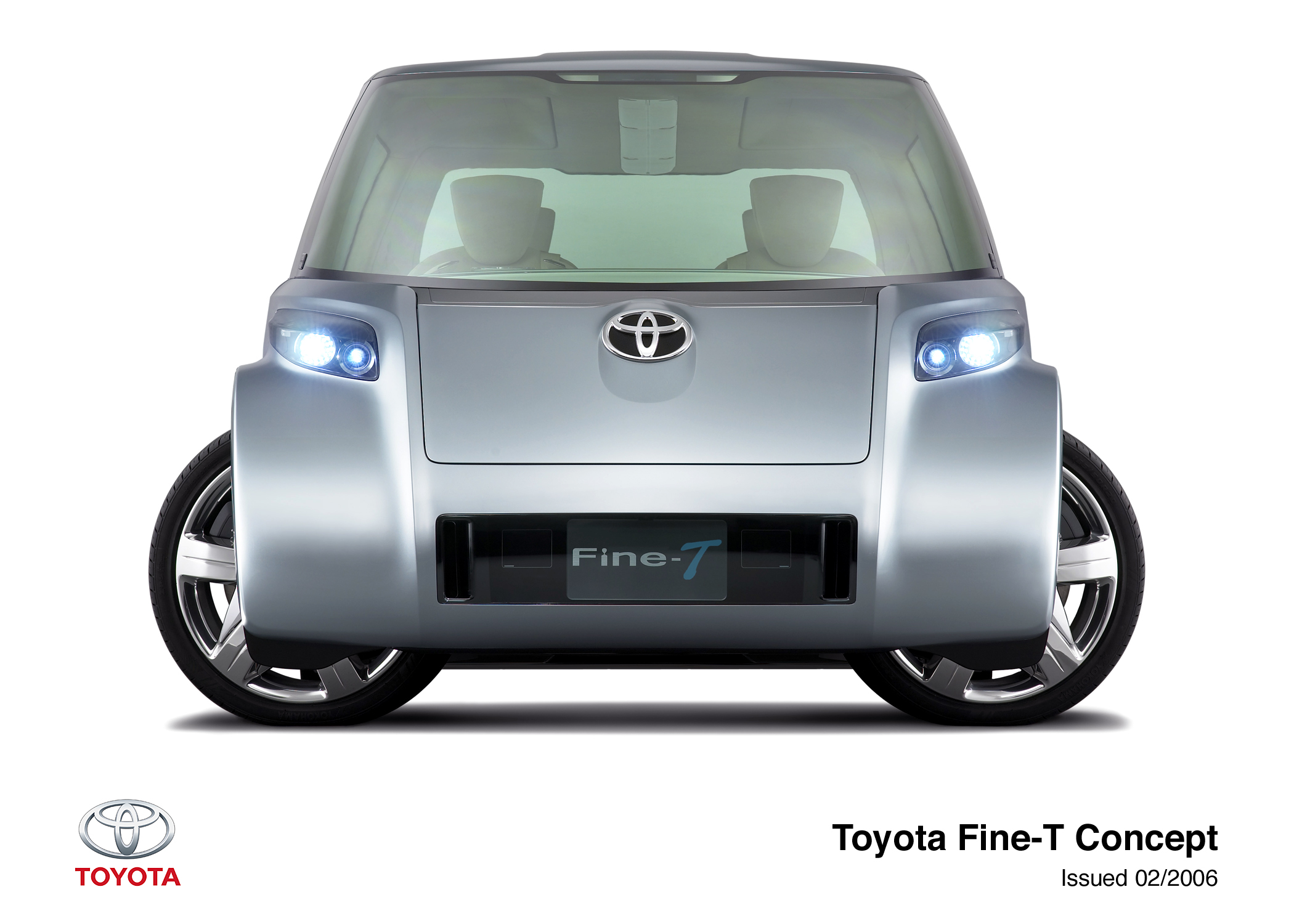
The Fine-T explored how a fuel-cell powertrain could change the shape and manoeuvrability of a small car. Toyota’s 2006 archive describes four in-wheel motors and four-wheel steering, joining compact exterior proportions with an unusually flexible approach to cabin space and low-speed movement.
A named 2006 research configuration
Toyota UK’s Fine-T archive places the vehicle in its 2006 concept collection. Its relationship with the Fine-X research naming belongs in the history, rather than generating another production total merely from a change of exhibition name. The entry follows the Fine-T presentation and its documented systems. It does not claim an independently manufactured chassis for every alias, appearance or publication of the underlying research project.
Toyota UK: Fine-T official vehicle and technical archive
Fuel-cell packaging changes the design problem
The concept uses fuel-cell propulsion with a 700-bar hydrogen-storage reference in the official description. The interest is how a different energy and drive layout might release cabin space and influence vehicle proportions. A show-car reference is not a current consumer range or refuelling promise. The archive therefore avoids adding an unsupported distance figure, certified operating result or retail infrastructure claim to the historical proposal.
Four in-wheel motors support a different manoeuvring brief
Toyota describes four in-wheel motors and four-wheel steering as central elements. That combination allows a design discussion about coordinating wheel movement and drive. It does not independently establish every advertised manoeuvre under all road conditions. The factory image visibly shows an unusual wheel orientation, helping readers understand the research theme. Measured turning performance or a present demonstration would require evidence beyond the archived press photograph.
Toyota UK: Fine-T official vehicle and technical archive
The cabin is part of the engineering experiment
The official description links the compact exterior to generous interior ambitions, with access and seating ideas intended to make entry and use easier. Those themes can be discussed without inventing a certified interior-volume comparison. The vehicle also explored plant-derived materials. Each feature belongs to a research configuration, rather than proving that a complete retail vehicle met mass-production, durability and regulatory requirements in the form displayed.
Toyota UK: Fine-T official vehicle and technical archive
A matched Fine-T collection image preserves the scope
The supplied white-concept image comes from Toyota UK’s Fine-T collection and retains the original factory presentation. The caption identifies the unusual wheel position as part of the concept display. It does not treat the photograph as an inspection of present condition or a new record of a separate Fine-X chassis. Keeping aliases and exhibition configurations visible is more useful than multiplying nominal one-off totals without construction evidence.
Specifications and identity reference
| Reference collection | Toyota Fine-T; 2006 |
|---|---|
| Propulsion theme | Fuel-cell research vehicle |
| Hydrogen-storage reference | 700 bar; manufacturer concept description |
| Drive | Four in-wheel motors |
| Steering | Four-wheel steering |
| Research themes | Cabin packaging, access and plant-derived materials |
Rarity and production scope
This Archive identity follows the Fine-T physical research presentation in Toyota’s 2006 collection. Fine-X-related naming is historical context and does not establish an additional chassis. Concept manoeuvring and packaging descriptions are attributed proposals, not newly tested production results. No exact lifetime construction total is verified; completed production remains blank and the concept is excluded from road-car aggregation.
This is an Archive identity. The experimental or individually named car is not added as extra production on top of its underlying family. Repeated exhibition appearances do not establish additional chassis; the specific scope above governs the count.
What the photograph represents
Toyota UK’s Fine-T collection photograph shows the white concept with the wheels in an unusual steering position. The original factory copyright presentation is retained. It illustrates the research manoeuvring theme, not a certified production-car performance test or proof of independently manufactured Fine-X and Fine-T chassis.
Related Toyota profiles
Frequently asked questions
Does Fine-T naming prove a separate car from every Fine-X appearance?
No. A changed exhibition name or related configuration requires chassis evidence before it can establish additional construction.
Are the wheel positions merely a normal production-car feature?
The image illustrates the concept’s experimental four-wheel-steering and in-wheel-drive theme, not a standard retail Toyota specification.
What is the production-count boundary for this profile?
This Archive identity follows the Fine-T physical research presentation in Toyota’s 2006 collection. Fine-X-related naming is historical context and does not establish an additional chassis. Concept manoeuvring and packaging descriptions are attributed proposals, not newly tested production results. No exact lifetime construction total is verified; completed production remains blank and the concept is excluded from road-car aggregation.
Sources and further reading
Research checked 19 October 2026. Linked manufacturer heritage pages, factory announcements, official distributor publications and labelled contemporary coverage support the specifically identified claims. Photographic descriptions identify the illustrated subject. Design analysis and suggested authentication steps are editorial interpretation.
Built in limited numbers
This Archive identity follows the Fine-T physical research presentation in Toyota’s 2006 collection. Fine-X-related naming is historical context and does not establish an additional chassis. Concept manoeuvring and packaging descriptions are attributed proposals, not newly tested production results. No exact lifetime construction total is verified; completed production remains blank and the concept is excluded from road-car aggregation.
Gallery
Specifications
Factory specifications may vary by model year, market and configuration.
Identity & production
- Official model
- Toyota Fine-T Concept
Sources and verification
Source citations are being prepared for this profile.