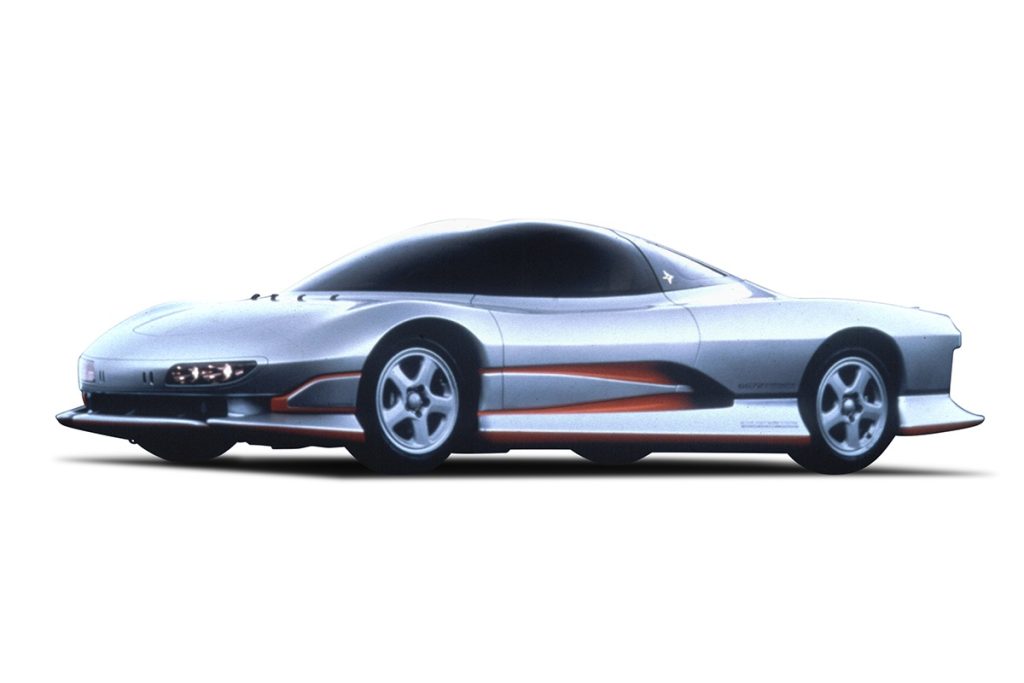
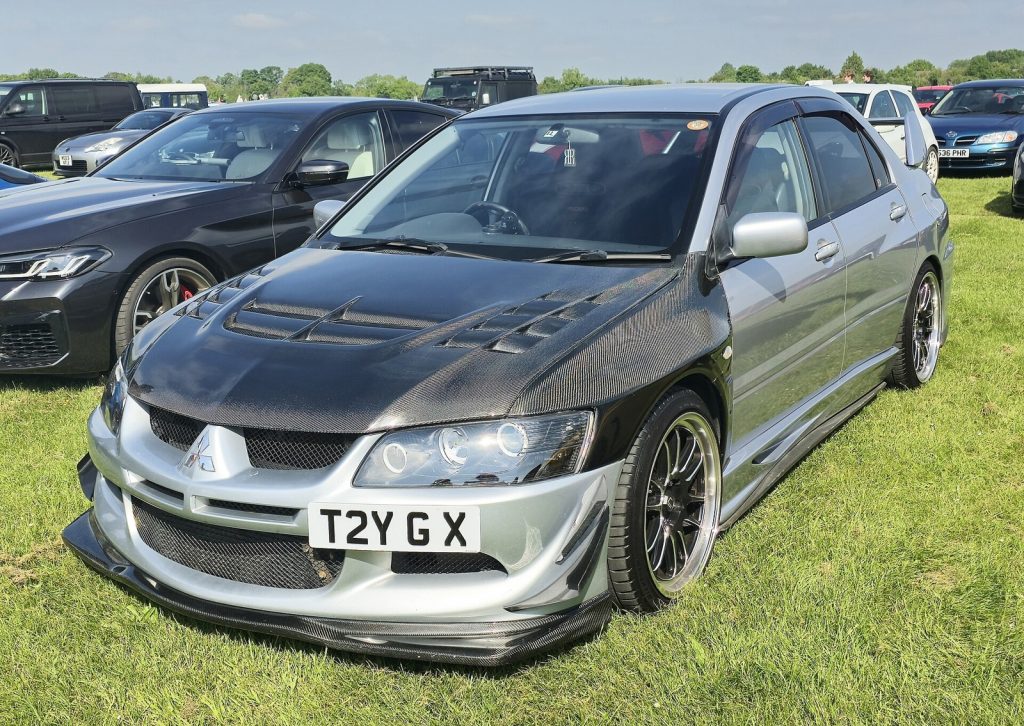
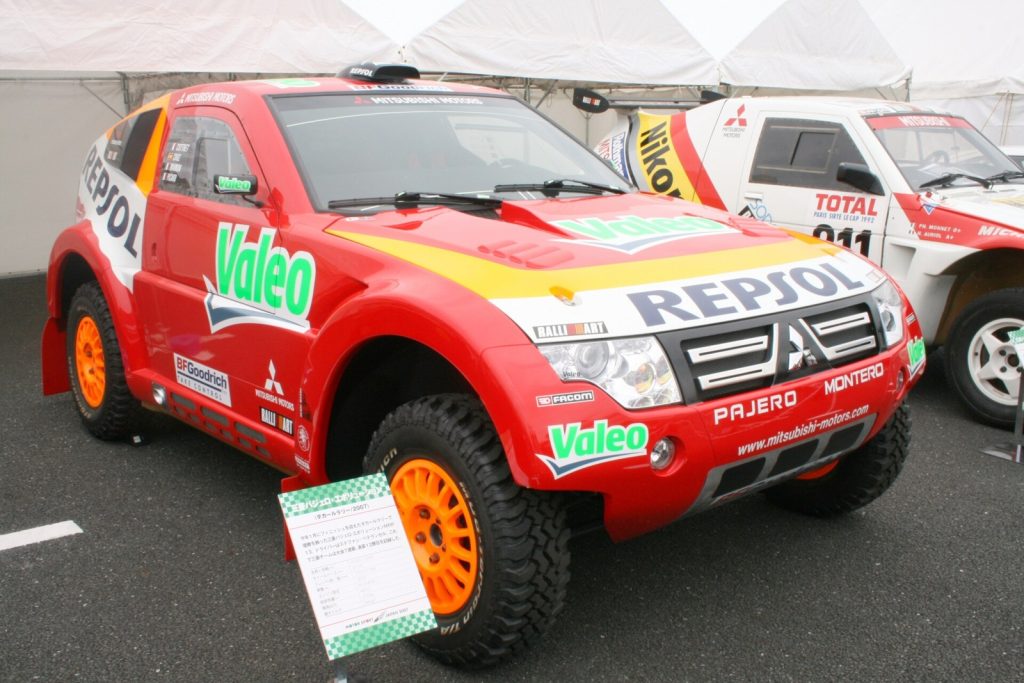
2001 Mitsubishi Lancer Evolution VII RS (Japan)
Explore Lancer Evolution VII RS (Japan): factory identity, history, specifications, rarity evidence, identification notes and credited photos.
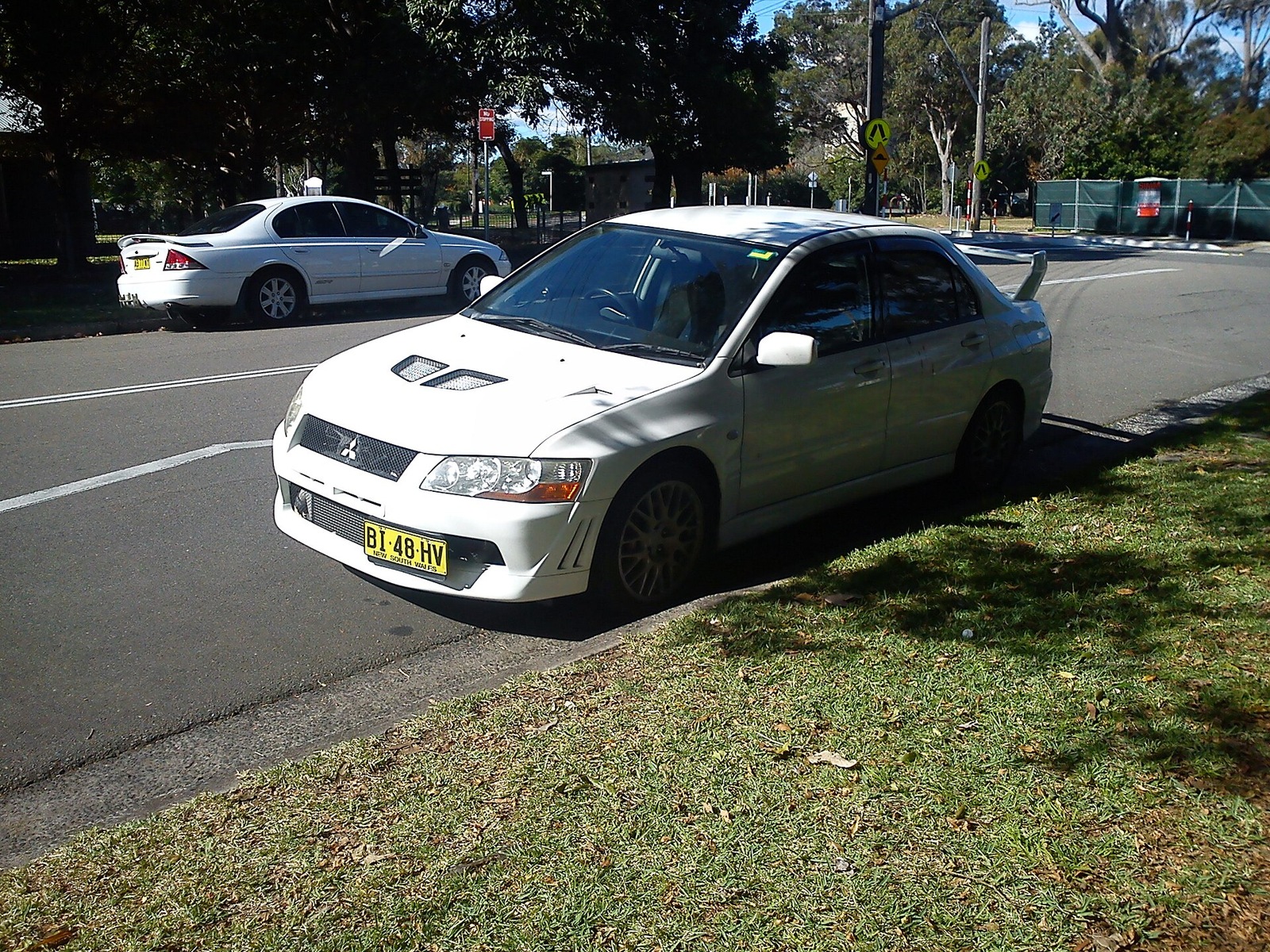
Mitsubishi Lancer Evolution VII RS is documented here as a Japanese factory grade, with its own equipment reference and a carefully scoped rarity record. Evolution VII RS continues the factory competition-base role into the CT9A era. The grade is especially easy to misidentify after years of motorsport modification or restoration. A roll cage, lightweight seat or missing electric equipment can be fitted to other cars. Original model information is the stronger evidence, supported by a consistent history of the shell and its major assemblies.
Where this grade fits
Evolution VII moved the family into the CT9A period. The RS specification provides a useful way to study this transition without confusing the road car with the separately developed works rally machinery. A chassis-family label alone cannot distinguish later VII, VIII and IX derivatives, so the generation, grade and original model information should travel together in every catalogue record.
Mitsubishi original Japanese VII factory brochure (digitised original)
Engine, transmission and equipment
The Japanese factory catalogue lists a turbocharged 4G63 engine, four-wheel drive and a five-speed manual for this RS. Its competition-oriented specification deserves a separate reading of the equipment table. Differential options, interior equipment and later replacement parts should be recorded rather than assumed from a generic Evolution VII description. The result is a more accurate account of what the car was built as and how it subsequently changed.
Mitsubishi original Japanese VII factory brochure (digitised original)
Design and identification
The taller, more contemporary sedan body marks a clear visual break from the earlier CP9A cars. Period RS and GSR illustrations help distinguish the factory presentations, but many cars have been altered for road or competition use. Compare the shell, front and rear styling and cabin as a set. A stripped interior is consistent with several possible histories and does not independently prove an original RS identity.
How many are recorded?
615 Japanese-market RS records in the cited ASA/CAPS-derived dataset. This is a catalogue record count, not an independently audited completed-production total, a manufacturer-announced cap or a worldwide survivor census. The grade is kept separate from other specifications within the same generation. Do not add a market record count to a previously quoted generation total without reconciling their coverage. The original workbook figure is preserved in the evidence register, with any difference explained rather than silently substituted.
JDM Catalogues: independently compiled ASA/CAPS-derived Japanese record counts
Documentation for an individual car
Begin with the full chassis and model information, then match it to the relevant dated Japanese brochure. Retain original documents and a chronological account of major changes. A short chassis prefix can be shared by multiple grades or generations, so it should not stand alone as proof. For a competition-prepared car, add the preparation and event history as a separate layer of provenance. A competition logbook records a use history; it does not automatically authenticate every claim about the original road specification.
Understanding originality and modifications
For a useful comparison, separate three questions: what the factory offered, what this particular vehicle was originally built as, and what survives on it now. The brochure answers the first. Original model information and contemporary records help answer the second. Inspection and recent photographs answer the third. Disagreements between those sources can reveal modifications or repairs, but they need to be documented rather than resolved by choosing the most attractive specification.
Specification and identity reference
| Reference year | 2001 |
|---|---|
| Generation / chassis | VII / CT9A |
| Factory grade | RS; Japanese market |
| Engine | 4G63, 2.0-litre intercooled turbo four-cylinder |
| Period output reference | 280 PS |
| Transmission reference | 5-speed manual |
| Drive | Four-wheel drive |
| Catalogue grade code | SNDFZ |
| Japanese records | 615; EPC-derived dataset only |
Rarity and production scope
615 Japanese-market RS records in the cited ASA/CAPS-derived dataset. This is a catalogue record count, not an independently audited completed-production total, a manufacturer-announced cap or a worldwide survivor census.
What the photograph represents
Evolution VII generation reference for the RS profile; the pictured grade is not authenticated.
Comparisons and related profiles
Continue through these connected Mitsubishi records, each with its own factory identity and production scope.
Frequently asked questions
Is the rarity figure a worldwide production total?
615 Japanese-market RS records in the cited ASA/CAPS-derived dataset. This is a catalogue record count, not an independently audited completed-production total, a manufacturer-announced cap or a worldwide survivor census.
How should an individual example be authenticated?
Match the complete original model information to the appropriate dated documentation, then record the present condition and modifications separately. A badge, colour scheme or stripped interior alone is insufficient evidence of a factory grade.
Sources and further reading
- Mitsubishi original Japanese VII factory brochure (digitised original)
- JDM Catalogues: independently compiled ASA/CAPS-derived Japanese record counts
Research checked 15 October 2026. Factory literature, independent EPC-derived records and photographic evidence are identified separately. Design readings and documentation guidance are editorial interpretation.
Built in limited numbers
615 Japanese-market RS records in the cited ASA/CAPS-derived dataset. This is a catalogue record count, not an independently audited completed-production total, a manufacturer-announced cap or a worldwide survivor census.
Gallery
Specifications
Factory specifications may vary by model year, market and configuration.
Identity & production
- Official model
- Mitsubishi Lancer Evolution VII RS (Japan)
Sources and verification
Source citations are being prepared for this profile.