1964 Lotus Type 31 Formula Three
Explore the 1964 Lotus Type 31 Formula Three: programme history, design, verified rarity scope, specifications and credited photography.
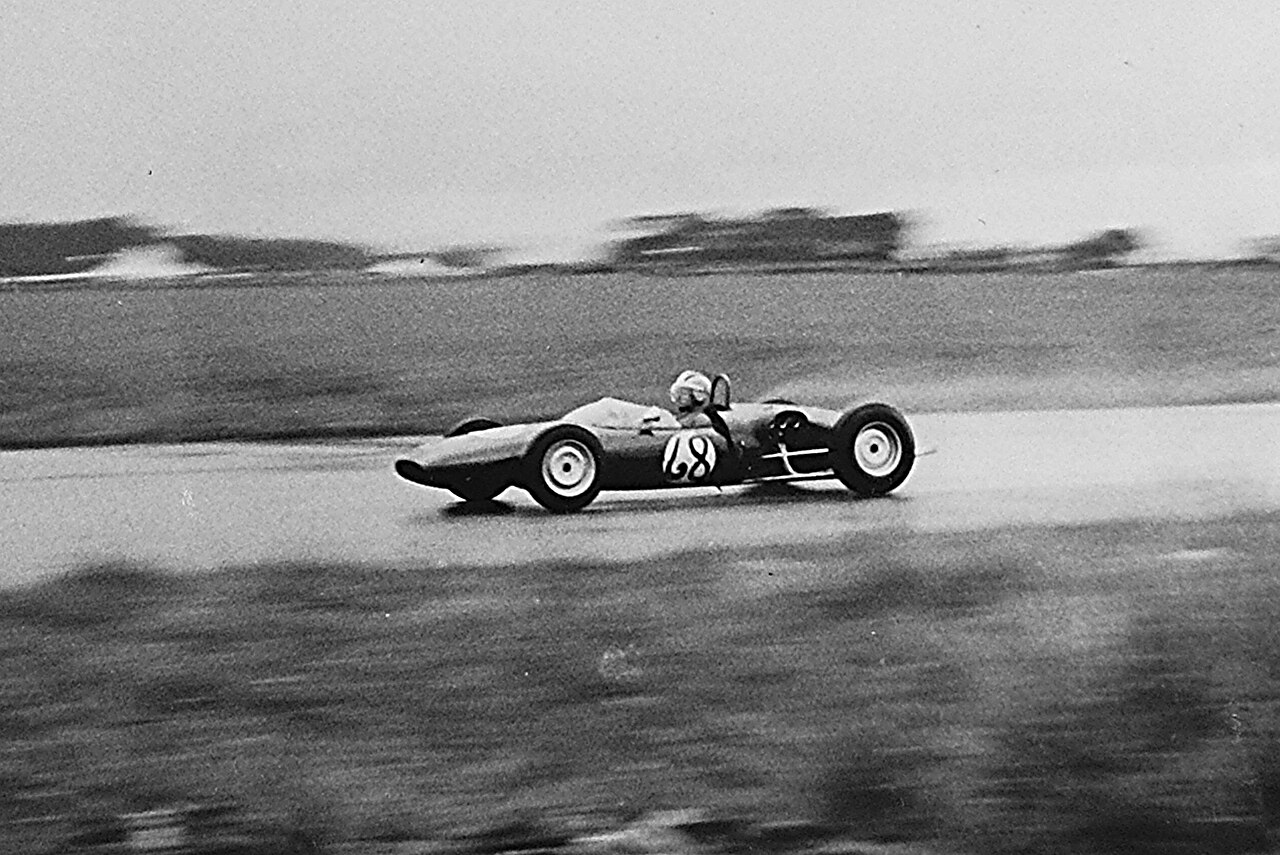
The Lotus Type 31 connects the earlier small Formula-car spaceframe with the emergence of Formula Ford. Its original 1964 Formula Three role and later adaptations belong in a dated history, supported here by a real competition photograph.
History and verified programme identity
Classic Team Lotus describes the Type 31 as a Formula Three car based on the spaceframe Type 22. Its public record dates it to 1964, lists twelve entries and notes later adaptation for Formula Ford by the Jim Russell Racing Drivers School. The supplied photograph adds a separate 1966 appearance of a creator-identified 1,500 cc example. Those facts establish an evolving competition programme; the photo’s engine description is not assigned to every original Formula Three chassis. The twelve listed entries remain a custodial reference, not a count of currently surviving cars.
Engineering and design
The spaceframe is the structural starting point, while the category determines what engine and preparation belong to a particular phase. Reusing a frame concept for a different Formula can change the car’s practical role without requiring a new original chassis identity. In the period photograph, the open wheels and narrow central body make the driver and running gear easy to locate. Internal frame details still require drawings or a chassis inspection. The useful engineering story is the relationship between the original single-seater and its later training or racing use, rather than one universal specification applied to its whole life.
The physical car in the supplied photograph
Hugh Llewelyn’s photograph shows D. McCloy’s 1,500 cc Type 31 at Llandow, South Wales, in August 1966. The black-and-white side view records an actual period race appearance, with the car and driver in profile. The source identifies the model and individual entry; that context is retained separately from the Type’s 1964 introduction.
A closer look at the programme
The period side view is useful because it documents the car in use rather than as a later display. The slender body does not hide the separation between driver, exposed wheels and rear powertrain area. It also preserves the scale of the car against the circuit. That visual evidence can be connected with the original Type record without assigning a race preparation detail to the entire model. A chassis file would supply the missing links between its first category and the larger-engine appearance shown here. The programme, configuration and photograph each remain readable parts of one history. In the period photograph, the driver’s helmet rises above a very low body, while the wheels remain completely outside the central volume. The wide side view makes the vehicle’s proportions easier to read than a close-up of its nose would. It also preserves the circuit around the car, reminding the reader that the image records actual use. The photographer’s individual engine description belongs to that dated appearance. The original Formula Three identity and later Formula Ford relationship come from the custodial record, allowing the same photograph to be informative without collapsing the programme’s several phases.
Collecting and chassis evidence
A Type 31 file should follow its chassis number through original delivery, school use, category changes and later restoration. Contemporary entries can establish when a larger engine appeared. A later Formula Ford history is part of the car’s life, rather than proof that it began in that specification. Keep the photo’s credited driver, location and year beside the original programme record so future research can reconcile the two without inventing a survivor census.
Related Lotus designs and meaningful comparisons
The Type 51 is the later Formula Ford comparison in this batch, while the Type 61 shows another subsequent customer design. Comparing them makes the development of the category visible without merging three separate Type programmes. A shared Ford engine association alone does not establish identical frames or a combined build count.
Reading the sources
The programme sources and the photograph answer different questions. Manufacturer and custodial records establish the original model, Type, category and published production scope. The creator’s file establishes the pictured subject, setting and image permission. An individual chassis history can then add ownership, competition entries and dated repairs without changing the scope of the original programme. Build references are not survivor counts, and a later specification does not automatically become an additional newly manufactured vehicle. Where primary evidence does not establish a complete fabrication census, that field remains unassigned.
Specifications and rarity evidence
| Programme reference year | 1964 |
|---|---|
| Model / Type | Type 31 Formula Three — Type 31 |
| Body / competition role | Spaceframe single-seater with later Formula Ford adaptations |
| Programme year | 1964 |
| Structure | Spaceframe based on Type 22 |
| Original category | Formula Three |
| Later use | Formula Ford adaptation by Jim Russell school |
| Photo event | Llandow, August 1966 |
| Published build / register reference | 12 listed register entries |
| Independently audited completed tally | Not assigned |
| Count scope | Published source reference: 12 listed register entries. Scope follows the named programme or register; independently audited completed output and survivor census remain unassigned. |
| Original inventory status | LOT-032 — Verified |
Frequently asked questions
Does the pictured 1,500 cc car establish the original specification of every Type 31?
No. It records a dated 1966 example. The programme began in Formula Three and later adaptations require individual chassis histories.
How is Type 31 Formula Three classified?
This is a Team Lotus competition Type archive. It remains separate from Lotus road-car production. Customer cars, works entries and converted chassis need a reconciled scope before any complete fabrication tally is assigned.
Which technical details are established for the programme?
The primary record supports programme year: 1964; structure: Spaceframe based on Type 22; original category: Formula Three. These are programme or explicitly attributed photo references. A particular surviving car’s engine, chassis repairs and competition preparation require its own dated documentation.
Does the photographed appearance establish factory originality?
The caption records a real creator-identified Type 31 Formula Three subject and its later setting. It establishes the illustration’s scope, while original components, restoration work and individual race provenance require chassis-specific evidence. A competition number, current paint or museum display is not used as an originality certificate.
What rarity or archive scope is verified?
Published source reference: 12 listed register entries. Scope follows the named programme or register; independently audited completed output and survivor census remain unassigned.
Who photographed the supplied image?
Hugh Llewelyn from Keynsham, UK via Wikimedia Commons, under CC BY-SA 2.0. The original file and licence are linked with the image. Retain the creator, source and licence when uploading, exporting or reusing it; local retouching and synthetic enlargement have not been performed.
Related Lotus profiles
Sources and photo credits
Photograph: Hugh Llewelyn from Keynsham, UK via Wikimedia Commons original source, CC BY-SA 2.0. Source-provided thumbnail supplied without local cropping, retouching or synthetic enlargement.
Built in limited numbers
Published source reference: 12 listed register entries. Scope follows the named programme or register; independently audited completed output and survivor census remain unassigned.
Gallery
Specifications
Factory specifications may vary by model year, market and configuration.
Identity & production
- Official model
- Type 31 Formula Three