1997 Mitsubishi Pajero Evolution
Explore Pajero Evolution: factory identity, history, specifications, rarity evidence, identification notes and credited photos.
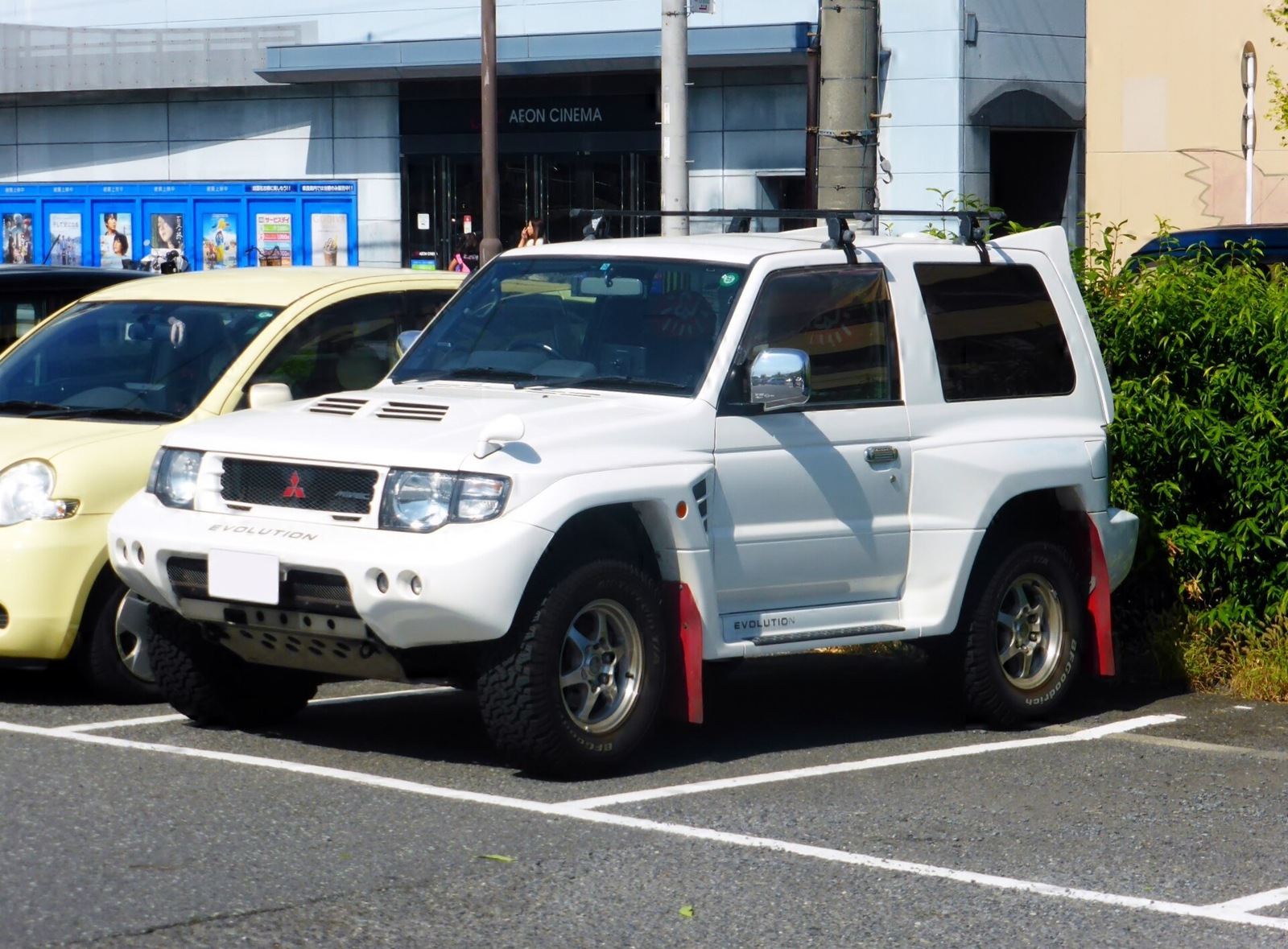
The roadgoing Pajero Evolution is a distinct V55W model within Mitsubishi’s off-road history. Its broad body and independent suspension make it more than a Pajero wearing rally graphics. The important boundary is between this customer road vehicle and the many specialised Pajero competition machines. The name can appear in both contexts, but the vehicles and their production records need separate treatment.
The V55W road vehicle
Mitsubishi’s period material records the Pajero Evolution as a production model associated with its rally programme. The 1997 Tokyo show release explicitly distinguishes a displayed Pajero Evolution from concept exhibits. This establishes the road-car subject rather than an invented commemorative trim. Use V55W identification when matching an individual car, then document its transmission, original market and later changes.
Mitsubishi Motors: 1997 Tokyo show production-model listing
Engineering with an off-road purpose
Mitsubishi’s historical account identifies a 3.5-litre MIVEC V6, wider body and independent suspension at all four wheels. The useful interpretation is that engine, suspension and body should be understood together. Merely fitting an Evolution-style bumper to a conventional Pajero does not reproduce that combination. A physical inspection and original model data are necessary when the history of a surviving vehicle is uncertain.
Mitsubishi Motors: 1997 Tokyo show production-model listing
Design that reflects a different brief
The conspicuous wheelarch extensions, short body and distinctive rear treatment give the V55W a strong identity. The bundled photograph is of a roadgoing example, not a later Dakar prototype. Photographs help compare visible body parts, but provenance still matters because detachable components and paint can change. Record replacement panels and restoration work as part of the particular car’s story.
Production scale and the homologation number
The inventory’s 2,500 figure is retained as an approximate, widely reported road-series reference, not entered as an audited final census. Published accounts distinguish that figure from higher completed-build estimates. Both place the model comfortably below the project’s 7,500 threshold, but they do not support pretending that the last digit is settled. This profile leaves the numeric completed-production field empty and preserves the qualification in plain language.
Mitsubishi Motors: 1997 Tokyo show production-model listing
Keeping road and competition history separate
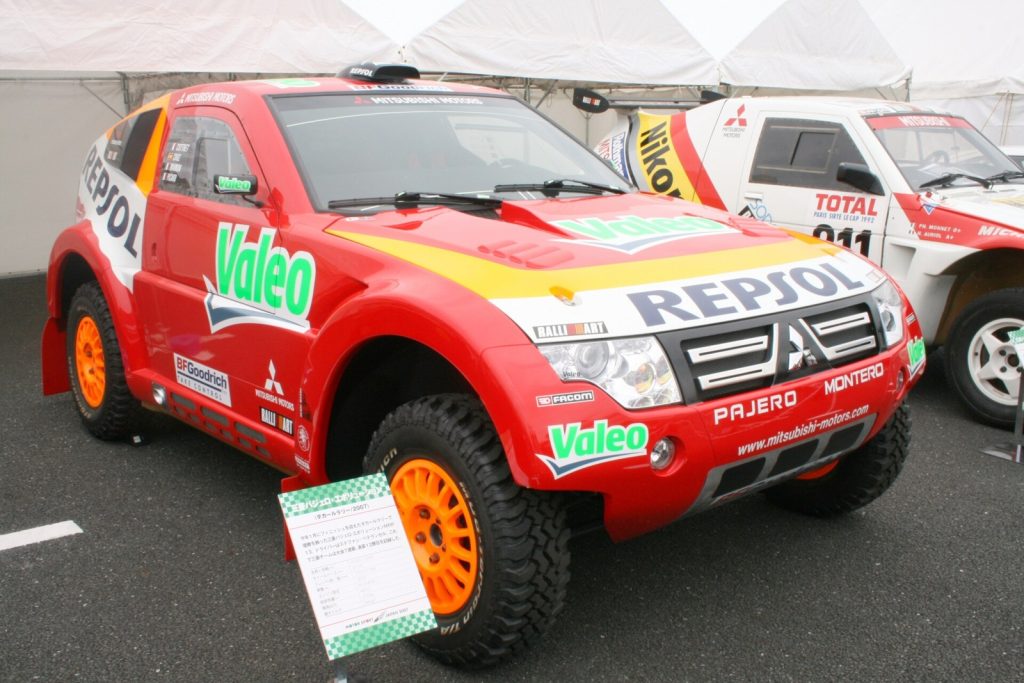
A roadgoing V55W can provide the starting point for a competition vehicle, while later rally-raid machinery may use very different construction. An event victory does not authenticate the history of a customer car simply because both carry Pajero names. Compare the V55W’s factory documentation with the appropriate competition record before connecting a chassis to a driver, entry or result.
Specification and identity reference
| Reference year | 1997 |
|---|---|
| Chassis family | V55W |
| Engine reference | 3.5-litre MIVEC V6 |
| Suspension reference | Independent front and rear |
| Rarity scope | Approximately 2,500 road cars commonly reported; exact completed count not assigned |
Rarity and production scope
Approximately 2,500 road cars commonly reported; higher completed-build estimates exist. Exact completed production and survivors remain unassigned.
Identifying the documented subject
Match the complete model name, date and programme to the linked evidence. Keep any chassis-specific provenance separate from a general description of the model. A period image confirms what was photographed, while a production or technical claim requires the corresponding document.
Comparisons and related profiles
Continue through these connected Mitsubishi records, each with its own factory identity and production scope.
Frequently asked questions
Is the rarity figure a worldwide production total?
Approximately 2,500 road cars commonly reported; higher completed-build estimates exist. Exact completed production and survivors remain unassigned.
How should an individual example be authenticated?
Match the complete original model information to the appropriate dated documentation, then record the present condition and modifications separately. A badge, colour scheme or stripped interior alone is insufficient evidence of a factory grade.
Sources and further reading
- Mitsubishi Motors: 1997 Tokyo show production-model listing
- Mitsubishi Motors: car history, second-generation Pajero / Evolution context
- James Gilboy: firsthand Pajero Evolution reporting and approximate production reference
- Classic & Sports Car: alternative completed-build estimate, August 2026
Research checked 15 October 2026. Factory literature, independent EPC-derived records and photographic evidence are identified separately. Design readings and documentation guidance are editorial interpretation.
Built in limited numbers
Approximately 2,500 road cars commonly reported; higher completed-build estimates exist. Exact completed production and survivors remain unassigned.
Gallery
Specifications
Factory specifications may vary by model year, market and configuration.
Identity & production
- Official model
- Mitsubishi Pajero Evolution
Sources and verification
Source citations are being prepared for this profile.