2016 Lincoln Navigator Concept
Explore 2016 Lincoln Navigator Concept: sourced history, rarity, design and credited photography.
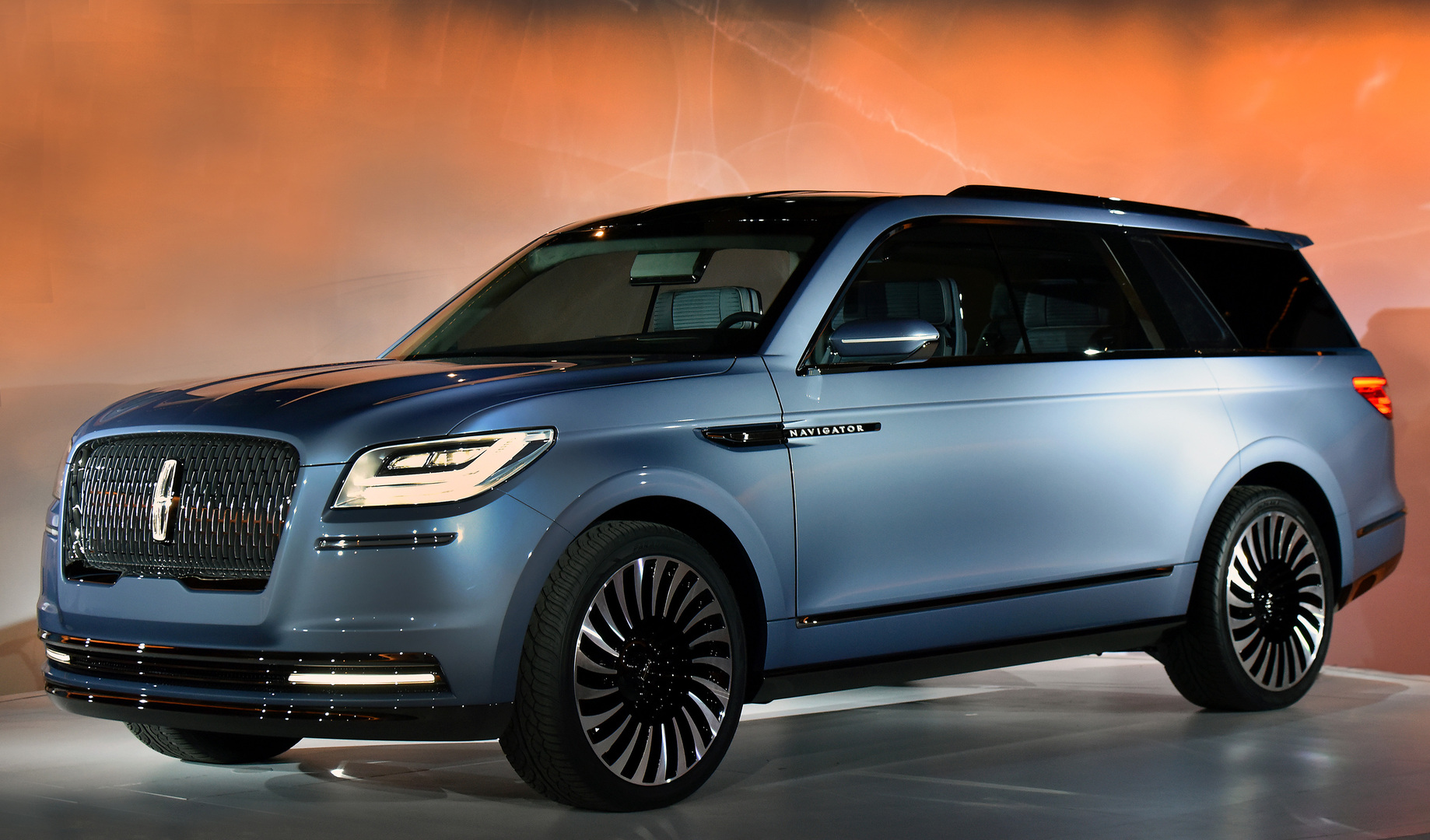
The 2016 Navigator Concept presents a large luxury-SUV idea with a distinctly nautical design theme. The factory studio photograph records the concept body without turning the later production Navigator into a limited edition.
History and verified identity
The original Lincoln announcement, preserved by an authorized dealer, records the March 23, 2016 New York reveal and describes a yacht-inspired design direction, Storm Blue exterior and a twin-turbo V6 proposal. Ford Heritage Vault identifies the matching 2016 concept studio image. The programme’s proposed features are concept context; the photograph alone does not verify the operation of its unusual doors or cabin mechanisms.
Reading the credited photograph
The Ford studio image shows the blue Navigator Concept from the front quarter with the doors closed. Its large grille, broad cabin and distinctive wheels make the flagship scale visible. Because the openings are closed, the photograph does not itself demonstrate their movement; their design belongs to the original programme documentation.
Why this Lincoln belongs in the archive
A large luxury SUV has to organize considerable visual volume. The concept’s grille, side glazing and wheel treatment provide different points of focus within that mass. A nautical theme can also influence the materials and atmosphere proposed for the cabin without establishing a marine construction specification. The most useful comparison is between the concept’s design brief and a clearly documented retail vehicle, with each retaining its own production status and equipment record.
The physical concept and its design brief
Navigator Concept is useful as a full-size design record because it allows the passenger compartment, exterior surfaces and display presentation to be examined together. A drawing can communicate an intention, but the physical article also shows how that intention was expressed at scale. Its archive status rests on that documented identity. Complete fabrication output remains separate: the existence of one known image or auction entry does not prove that only one design model, prototype or display article was made.
When studying Navigator Concept, keep three layers together without merging them: the original programme statement, the physical object identified by the sources, and the dated photograph supplied here. A proposed powertrain or future feature belongs to the first layer unless a specific build record establishes its installation. The photographed body belongs to the latter two. This distinction lets the article discuss an ambitious concept while retaining an honest account of the evidence for the actual display.
What a later appearance can establish
A later exhibition or studio photograph can extend the appearance record for Navigator Concept without becoming a new production programme. The caption should retain the photograph’s own setting and date wherever those are documented. It can show a visible shape or cabin detail, but an exhibition view does not establish road registration, durability or the current operation of hidden hardware. The most informative archive adds new dated evidence to the same named programme rather than creating another vehicle merely because it appears in another year.
A useful comparison for this vehicle
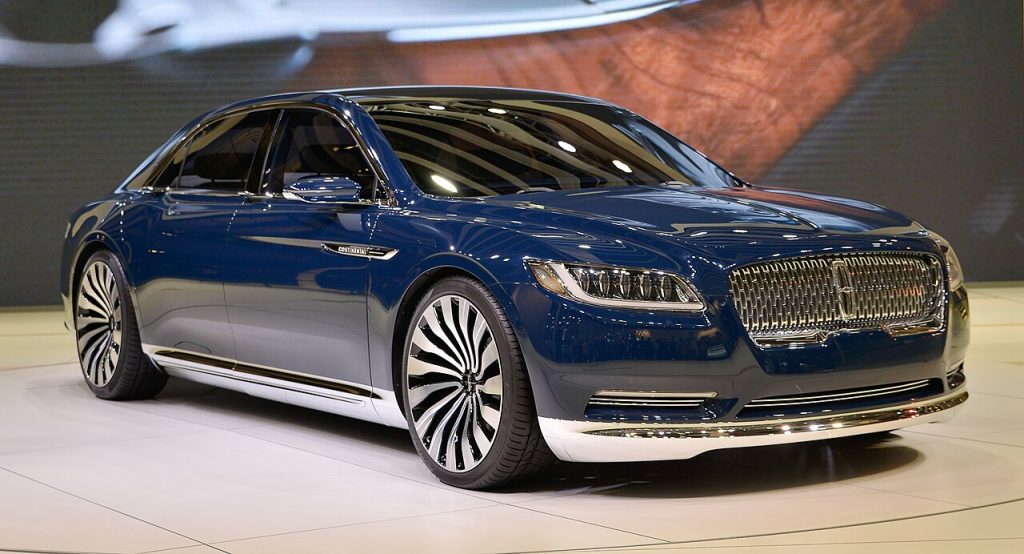
The closed-door studio view is a useful overview of the Navigator Concept, but it is only one configuration. A photograph showing the access openings would answer a different question about the proposed cabin entrance. Those views could sit together in a more extensive dossier, each with its own original source and caption. The MKT offers another utility-concept comparison through a cabin-focused image, while the Continental Concept provides a different flagship body. The comparisons explain how luxury can be expressed through different passenger packages. They do not establish a shared build programme or a limited retail allocation. Retaining the Navigator’s concept label is therefore essential when moving this article into a collection catalogue or connecting it with later production-model coverage.
Reading the evidence for this profile
The original source links below identify the programme and the historical statements used in this article. The photograph has its own creator and licence record, separate from the manufacturer’s vehicle history. Keep both when transferring this profile into a collection catalogue. A manufacturing tally describes how many cars belong to a defined original programme; it does not measure how many survive, how many are publicly visible, or how many retain all their original components. Those individual questions require dated chassis and restoration evidence. The reference year likewise describes the programme’s introduction or named historic configuration, while the supplied caption states the photographed setting and any established individual identity. This lets future research expand the car’s history without blurring the scope of the record already assembled here.
Specifications and verified rarity
| Reference year | 2016 |
|---|---|
| Model / programme | Navigator Concept |
| Body / role | Flagship luxury-SUV design preview |
| Original reveal | 23 March 2016, New York |
| Announced design theme | Nautical / yacht-inspired luxury-SUV study |
| Exact manufacturing tally | Not established |
| Rarity evidence | Documented physical archive scope; fabrication census unassigned |
| Rarity scope | Documented physical Navigator Concept archive programme. Complete fabrication census unassigned; a photographed example is not proof of a one-car programme. |
| Inventory reference | LNC-194 — Verified |
Frequently asked questions
Is this a finitely numbered retail Navigator edition?
No. It is the physical 2016 concept programme, with its complete fabrication census unassigned.
What does the reference year identify?
2016 is the documented programme or archival reference used for this profile. The original workbook year is retained separately when corrected.
Does the photograph authenticate every mechanical component?
It documents the visible named subject. Hidden hardware and individual originality require a build or inspection record.
Is the number of surviving examples established?
No survivor census is assigned. Original programme references, fabrication output and surviving-car counts are kept separate.
What rarity or archive scope is verified?
Documented physical Navigator Concept archive programme. Complete fabrication census unassigned; a photographed example is not proof of a one-car programme.
Who took the supplied photograph?
Ford Motor Company / Ford Heritage Vault (individual photographer not identified) via Ford Heritage Vault, under Manufacturer editorial-use permission. The original file and licence links accompany the image. Retain that credit when the photograph is uploaded, exported or reused.
Related Lincoln profiles
Sources and photo credits
Photograph: Ford Motor Company / Ford Heritage Vault (individual photographer not identified) via Ford Heritage Vault source, Manufacturer editorial-use permission. Source-provided photograph supplied without local cropping, retouching or text removal. A source thumbnail is used where available. The Ford studio image shows the blue Navigator Concept from the front quarter with the doors closed.
Built in limited numbers
Documented physical Navigator Concept archive programme. Complete fabrication census unassigned; a photographed example is not proof of a one-car programme.
Gallery
Specifications
Factory specifications may vary by model year, market and configuration.
Identity & production
- Official model
- Navigator Concept