Aston Martin V12 Vantage Coupe
The 2022 V12 Vantage coupe brings a twin-turbo V12 into the modern Vantage generation with a widened body and a worldwide allocation of 333. Its significance lies in the combination of that generation’s structure, V12 engineering and limited programme. It should remain distinct from earlier naturally aspirated V12 Vantages and the separately counted Roadster.

The 2022 V12 Vantage coupe brings a twin-turbo V12 into the modern Vantage generation with a widened body and a worldwide allocation of 333. Its significance lies in the combination of that generation’s structure, V12 engineering and limited programme. It should remain distinct from earlier naturally aspirated V12 Vantages and the separately counted Roadster.
Aston Martin V12 Vantage Coupe at a glance
| Manufacturer | Aston Martin |
|---|---|
| Model / family | Vantage |
| Profile scope | Limited V12 coupe programme |
| Historical reference year | 2022 |
| Inventory reference | AST-162 |
| Factory allocation limit | 333; completed census not independently certified |
| Historical engine reference | 5.2-litre twin-turbo V12 |
The modern generation of the V12 Vantage idea
The factory revealed this V12 Vantage on March 16, 2022. The year matters because the name also belongs to earlier generations with different engines, structures and gearbox choices. A reader searching the model needs a clear generation reference before comparing specifications. This guide concerns the modern twin-turbo coupe programme. Related historic models can enrich the story, but their data should not migrate into this vehicle’s overview. An individual car’s documents should reinforce the same identity as its physical body and powertrain.
Rarity: the 333-car coupe allocation
Aston Martin set a worldwide limit of 333 and reported that all examples were sold ahead of release. Sold allocations and a completed production census are different evidence categories. This profile retains the factory ceiling without claiming a reconciled finished chassis register. The separate Roadster count is not included in the coupe total. When an example is described as one of 333, request records that connect it with the programme, while avoiding unsupported claims about current survival, regional distribution or a special trim subset.
V12 power with the correct units
The factory specifies a 5.2-litre twin-turbo V12 producing 700 PS and 753 Nm. Preserve the stated power unit rather than rewriting it as an equal numerical bhp figure. These are manufacturer model specifications, not a measured result for every used example. A collector inspection should identify modifications and connect them with service or technical records. The mechanical story is compelling without implying that a particular car currently delivers its original rated output or assigning a result from a different V12 Vantage generation.
The automatic transmission is part of this generation
The launch identifies an eight-speed ZF automatic and mechanical limited-slip differential. Earlier manual V12 Vantages therefore provide a comparison, not the specification of this model. Assess an individual car’s controls, software and maintenance through the correct documentation. A profile should resist the temptation to combine appealing features from several generations into an imaginary ideal variant. The actual coupe programme has its own identity, and a precise account of that configuration gives collectors a stronger basis for evaluating its place in the archive.
The wider body serves an engineering brief
The factory describes the forty-millimetre wider track and corresponding widebody form. As an editorial reading, that relationship helps explain why the car looks different from a standard contemporary Vantage. A photograph can illustrate the stance while the source supplies the engineering context. Inspectors should document panel condition and any repair account without inferring structural health from outward appearance alone. The useful collector record combines visual evidence with actual inspection findings and the car’s original specification, especially where distinctive body parts have been replaced.
Carbon ceramic brakes and condition evidence
Carbon ceramic brakes are documented standard equipment for this programme. Their presence supplies a configuration reference but does not establish present serviceability. A condition report should follow the relevant inspection method and record findings for the individual car, rather than treating low mileage as proof that consumable or heat-exposed components need no attention. Retain invoices and technical reports with the wider service history. This is a practical review priority, not a claim that every coupe has seen hard track use or requires a particular repair.
A rear wing was not mandatory on every coupe
The launch offered a rear-wing delete option. A car without the dramatic wing should therefore be checked against its original order before its authenticity is questioned. Conversely, a fitted wing alone cannot establish programme membership. This is a useful example of why factory options matter in collector descriptions: visually different cars can both represent correct original specifications. Record whether a later change was made and whether original parts were retained, leaving a future owner able to understand the present configuration.
Seats, wheels and individual Q choices
The factory offered optional lightweight wheels and carbon performance seats, alongside personalisation through Q. A colour-and-trim combination can be distinctive without creating a separately verified production category. A collector file should distinguish standard equipment, factory options and subsequent changes using the actual order. If a listing calls a combination unique, ask whether that description concerns a documented specification or a complete census. The archive can celebrate a highly personal car while withholding an exact one-of-one statistic that its evidence does not establish.
Launch schedules and later photographs
The reveal scheduled the beginning of deliveries for the second quarter of 2022. This profile treats that as the announced timetable rather than confirmation that all 333 were completed then. The included photograph was taken later and supplies its own dated visual record. An individual handover date should come from the car’s documents. Keeping these timelines separate lets a guide use a useful contemporary photograph without suggesting that its event date describes the programme reveal, production completion or first customer delivery.
The licensed coupe photograph
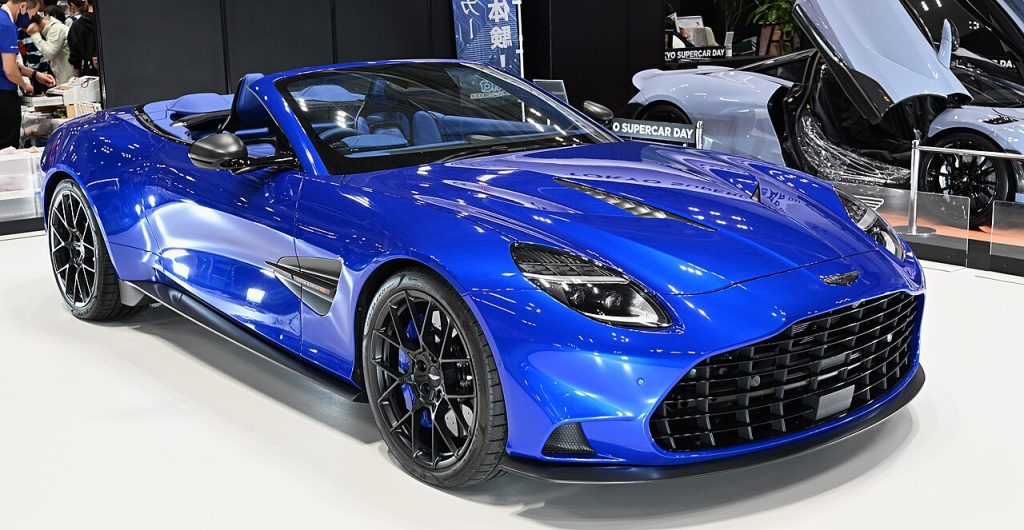
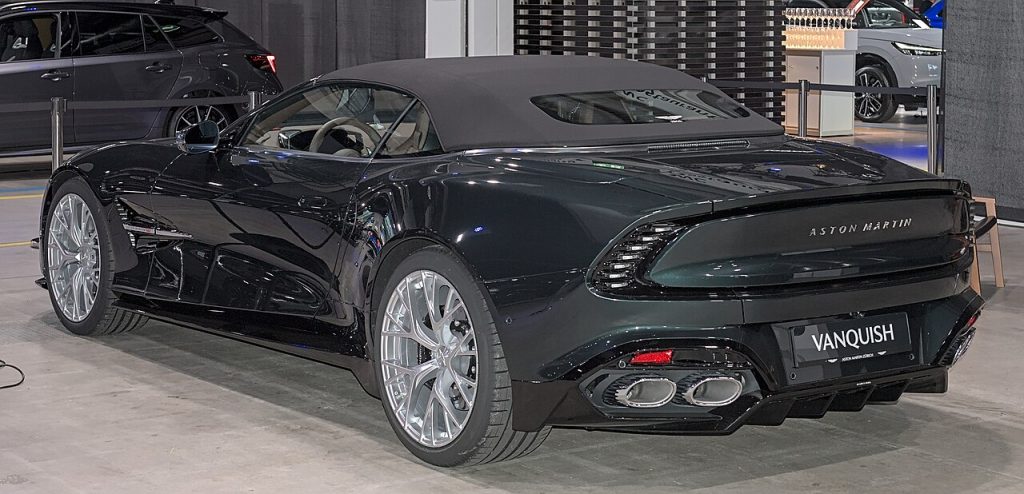
The image is source-identified as a 2022 V12 Vantage at SCD Secret Meet in June 2024 and visibly shows the modern coupe body. The caption does not assign a build serial, original owner or current condition. It illustrates this generation rather than an earlier naturally aspirated car. The linked file page preserves the photographer and licence record, and the resizing disclosure remains visible. An editor can use those details to review the image’s scope independently of the profile’s factory-backed technical account.
Building an example-specific collector file
A useful collector file for the Aston Martin V12 Vantage Coupe connects the physical vehicle with its original specification, subsequent care and present description. Keep original documents in sequence and distinguish copies, later summaries and unverified notes. Service invoices should identify the work performed rather than merely supply a stamped date. Add photographs of relevant details and explanations of later changes. That structure gives a future reader a way to follow the evidence and reduces reliance on a general claim of rarity, low mileage or originality.
Condition and originality are separate questions
An original component can require repair, while a replacement component can be in excellent condition. A careful description should explain both identity and state, with the inspection date clearly attached. Ask a suitably qualified specialist to assess the actual car and record what could and could not be inspected. Photographs of exterior finish do not establish hidden structure, mechanical health or serviceability. The archive should preserve findings at their supported level and avoid converting a dated observation into a permanent guarantee about the vehicle.
Reading sale descriptions without inventing value
A production number supplies context, but it does not determine the value of a particular example. This guide assigns no current price, investment return or guaranteed premium. A useful sale record identifies the date, venue, currency, fee treatment, configuration and evidence of the transaction. An asking price and a completed sale are different observations. Compare documentation, condition and accompanying objects before drawing a conclusion from rarity alone, and leave any unsupported market claim outside the verified vehicle history.
Maintaining the archive as evidence develops
Keep new information attached to its source and date. When a later record resolves a production count, delivery event or photograph identity, update that specific finding while preserving the earlier evidence and the reason for the change. A revised fact should not silently rewrite unrelated parts of the car’s history. This approach makes the profile a useful research record rather than a collection of repeated claims. Readers should be able to distinguish confirmed programme information, individual-vehicle evidence and clearly identified editorial guidance.
Frequently asked questions
How many 2022 V12 Vantage coupes were allocated?
The manufacturer announced 333 worldwide; sold-out allocations are not presented as a completed chassis census.
Is this V12 Vantage manual?
No. The 2022 programme uses an eight-speed ZF automatic.
Must every coupe have the rear wing?
No. The factory offered a wing-delete option.
Does the 333 figure include the Roadster?
No. The Roadster has its own separate allocation of 249.
Explore related Aston Martin profiles
Sources
- Aston Martin: 2022 V12 Vantage coupe reveal, 16 March 2022
- Aston Martin: June 2022 Goodwood release describes the Speedster as one of 88 built
- Aston Martin: V12 Vantage Roadster reveal at Pebble Beach, release dated 19 August 2022
Historical claims follow the linked manufacturer, archive, specialist and catalogue records, with disputed findings retained. Inspection and collecting guidance is editorial analysis. Catalogue condition and custody statements remain dated to their sources.
Photography and credit
Source-identified 2022-generation V12 Vantage coupe at SCD Secret Meet in June 2024. Individual build serial and ownership not assigned. Photo: MrWalkr / Wikimedia Commons · CC BY-SA 4.0. Wikimedia thumbnail resized from original; no cropping or colour changes.
Why this machine matters
The 2022 V12 Vantage coupe brings a twin-turbo V12 into the modern Vantage generation with a widened body and a worldwide allocation of 333. Its significance lies in the combination of that generation’s structure, V12 engineering and limited programme. It should remain distinct from earlier naturally aspirated V12 Vantages and the separately counted Roadster.
Built in limited numbers
Aston Martin set a worldwide limit of 333 and reported that all examples were sold ahead of release. Sold allocations and a completed production census are different evidence categories. This profile retains the factory ceiling without claiming a reconciled finished chassis register. The separate Roadster count is not included in the coupe total. When an example is described as one of 333, request records that connect it with the programme, while avoiding unsupported claims about current survival, regional distribution or a special trim subset.
Gallery
Specifications
Factory specifications may vary by model year, market and configuration.
Identity & production
- Official model
- Aston Martin V12 Vantage Coupe
- Base model
- Vantage
Powertrain & performance
- Engine
- 5.2-litre twin-turbo V12