Aston Martin DBX707 Japan Midnight Podium Edition
The DBX707 Japan Midnight Podium Edition is a Japan-only Q specification tied to Aston Martin’s 110th anniversary. Aston Martin Japan announced an eleven-car allocation in December 2023, with a later launch event in May 2024. Its dark-and-lime visual theme should be understood as a specific regional edition rather than a generic black DBX707.

The DBX707 Japan Midnight Podium Edition is a Japan-only Q specification tied to Aston Martin’s 110th anniversary. Aston Martin Japan announced an eleven-car allocation in December 2023, with a later launch event in May 2024. Its dark-and-lime visual theme should be understood as a specific regional edition rather than a generic black DBX707.
Aston Martin DBX707 Japan Midnight Podium Edition at a glance
| Manufacturer | Aston Martin |
|---|---|
| Model / family | DBX |
| Profile scope | Japan-only Q regional edition |
| Historical reference year | 2023 |
| Inventory reference | AST-161 |
| Factory allocation limit | 11; completed census not independently certified |
A regional edition with a primary Japanese record
The primary release was issued by Aston Martin Japan through PR TIMES on December 21, 2023. This is the appropriate starting point for the edition’s historical account. Regional programmes can be difficult to distinguish from dealer specifications when summaries omit the publisher or market. Keep the original release language and identity available to the editor, while using a clear English model name for readers. The documentary origin matters more than the number of later articles that repeat an abbreviated description.
Rarity: eleven cars for the Japanese market
The manufacturer’s regional announcement limits the programme to eleven cars in Japan. This corrects the inventory’s generic global market wording without treating the count as worldwide DBX707 production. The allocation remains separate from a completed chassis census and from any later movement of an individual car outside its original market. A collector can describe a regional edition accurately while acknowledging that present location and original sales allocation are different facts. The original order should establish a particular car’s membership.
Correcting the edition’s reference year
The edition announcement belongs to 2023, not the inventory’s 2022 reference. The latter is associated with the broader DBX707 generation and should not become the launch year of this regional specification. This guide preserves the inventory value while correcting the primary reference year. A precise chronology should distinguish the base model, special-edition announcement, public event and individual delivery. That distinction improves the archive’s usefulness and prevents a photograph of an early standard DBX707 from appearing to document the later edition.
Satin Oberon Black and the lime signature
The Japan release describes Satin Oberon Black with lime detailing, plus 23-inch satin-black wheels and lime calipers. This coordinated presentation supplies the edition’s visible reference points. An inspection should compare the original order with the current finish and note any refinishing work. The archive should avoid assigning a factory paint name purely from an image. Satin surfaces are especially sensitive to lighting and photographic treatment, so unfiltered overall views and relevant detail photographs provide a more useful record than heavily processed promotional pictures.
Motorsport inspiration without an operational-car claim
The manufacturer connects the design with the AMR23 Formula One car and official medical-car imagery. That is a source-backed inspiration statement, not proof that an individual customer DBX707 performed an official track role. A sale description should distinguish the regional road edition from an actual operational medical vehicle. Both may interest collectors, but their provenance trails are different. A distinctive lime-accented appearance is therefore useful context while race-event service requires its own identifiable records and dates.
Onyx Black and Eifel Green cabin references
The documented interior uses Onyx Black and Eifel Green with lime contrast details. Assess that scheme as a complete factory specification rather than interpreting a single stitched panel as sufficient identification. Interior photographs should show overall layout, identifying details and any known replacements. The regional edition name belongs with the original order, while a current condition description should explain the actual materials and repairs observed. Keeping those two records together helps prevent a standard customer commission from being mistaken for the eleven-car programme.
The May 2024 launch event
A later Aston Martin Japan release, published May 17, reports the launch event held on May 10, 2024, at House of Aston Martin Aoyama. This supplies a dated event record separate from the December announcement. Event attendance or imagery should not be treated as a chassis-specific handover certificate. A profile can retain the launch context while leaving individual delivery dates to vehicle documents. The sequence is particularly useful here because it corrects an inventory year that predates the regional programme.
Delivery timetables changed between releases
The original release scheduled deliveries from the first quarter of 2024. The later event release referred to planned deliveries from late May 2024. The guide preserves the distinction between those announced timetables rather than choosing one as a verified completion date. A changed schedule is part of the historical record, not evidence that all eleven cars were delivered at the event. An individual example’s invoice and handover documents can supply a more precise account if they are made available.
Comparing this edition with other DBX commissions
The Bowmore DBX offers a useful comparison because it also connects a small programme with a particular specification story. The two are distinct projects built around different model foundations and themes. Do not transfer their counts, dates or mechanical figures between profiles. A black DBX707 with Q options also needs its own identity review before being assigned to Midnight Podium. The meaningful comparison concerns the way factory commissions acquire documentary identity, leaving each edition’s particulars attached to its original sources.
The DBX707 photograph is a reference only
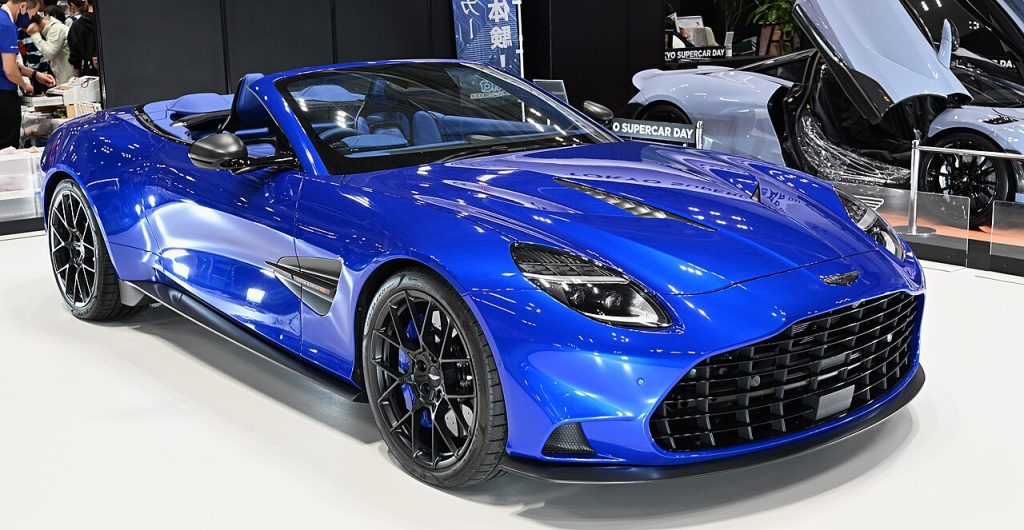
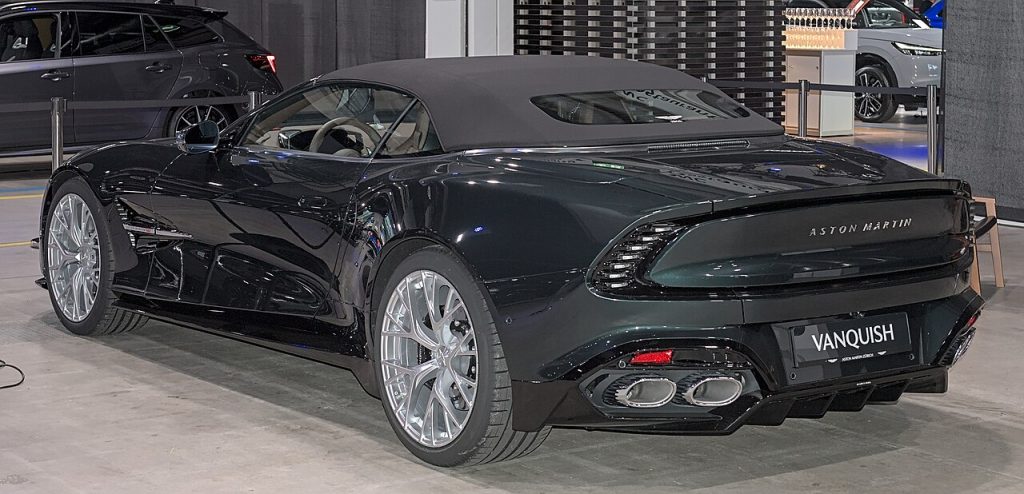
The licensed image shows a standard DBX707 photographed in Filderstadt in September 2022. It predates the Japan edition announcement and is not labelled as a Midnight Podium car. The caption, alternative text and review hold all preserve that distinction. Its role is to illustrate the base-model shape while an exact-edition licensed photograph remains outstanding. The photographer’s source and licence links make the file reviewable, and an editor should replace it with an authenticated edition image before presenting the draft as fully photographically verified.
Building an example-specific collector file
A useful collector file for the Aston Martin DBX707 Japan Midnight Podium Edition connects the physical vehicle with its original specification, subsequent care and present description. Keep original documents in sequence and distinguish copies, later summaries and unverified notes. Service invoices should identify the work performed rather than merely supply a stamped date. Add photographs of relevant details and explanations of later changes. That structure gives a future reader a way to follow the evidence and reduces reliance on a general claim of rarity, low mileage or originality.
Condition and originality are separate questions
An original component can require repair, while a replacement component can be in excellent condition. A careful description should explain both identity and state, with the inspection date clearly attached. Ask a suitably qualified specialist to assess the actual car and record what could and could not be inspected. Photographs of exterior finish do not establish hidden structure, mechanical health or serviceability. The archive should preserve findings at their supported level and avoid converting a dated observation into a permanent guarantee about the vehicle.
Reading sale descriptions without inventing value
A production number supplies context, but it does not determine the value of a particular example. This guide assigns no current price, investment return or guaranteed premium. A useful sale record identifies the date, venue, currency, fee treatment, configuration and evidence of the transaction. An asking price and a completed sale are different observations. Compare documentation, condition and accompanying objects before drawing a conclusion from rarity alone, and leave any unsupported market claim outside the verified vehicle history.
Maintaining the archive as evidence develops
Keep new information attached to its source and date. When a later record resolves a production count, delivery event or photograph identity, update that specific finding while preserving the earlier evidence and the reason for the change. A revised fact should not silently rewrite unrelated parts of the car’s history. This approach makes the profile a useful research record rather than a collection of repeated claims. Readers should be able to distinguish confirmed programme information, individual-vehicle evidence and clearly identified editorial guidance.
Frequently asked questions
How many Midnight Podium cars were allocated?
Eleven for Japan, according to Aston Martin Japan’s primary release.
What year was the edition announced?
December 2023. The inventory’s 2022 reference describes broader model context, not this edition launch.
Is it an actual Formula One medical car?
The design is inspired by official medical-car imagery; customer edition membership does not establish operational service.
Does the bundled image show Midnight Podium?
No. It is a labelled standard DBX707 reference photographed before the regional edition announcement.
Explore related Aston Martin profiles
- Aston Martin DBX Bowmore Edition
- Aston Martin DBS Superleggera 007 Edition
- Aston Martin Vantage Roadster A3
Sources
- Aston Martin Japan primary release, PR TIMES, 21 December 2023: Japan-only allocation of eleven
- Aston Martin Japan primary release, PR TIMES, 17 May 2024: May 10 launch event and revised delivery schedule
Historical claims follow the linked manufacturer, archive, specialist and catalogue records, with disputed findings retained. Inspection and collecting guidance is editorial analysis. Catalogue condition and custody statements remain dated to their sources.
Photography and credit
BASE-MODEL REFERENCE: DBX707 photographed in Filderstadt in September 2022. This is not the Japan-only Midnight Podium Edition. Photo: Alexander Migl / Wikimedia Commons · CC BY-SA 4.0. Wikimedia thumbnail resized from original; no cropping or colour changes.
Why this machine matters
The DBX707 Japan Midnight Podium Edition is a Japan-only Q specification tied to Aston Martin’s 110th anniversary. Aston Martin Japan announced an eleven-car allocation in December 2023, with a later launch event in May 2024. Its dark-and-lime visual theme should be understood as a specific regional edition rather than a generic black DBX707.
Built in limited numbers
The manufacturer’s regional announcement limits the programme to eleven cars in Japan. This corrects the inventory’s generic global market wording without treating the count as worldwide DBX707 production. The allocation remains separate from a completed chassis census and from any later movement of an individual car outside its original market. A collector can describe a regional edition accurately while acknowledging that present location and original sales allocation are different facts. The original order should establish a particular car’s membership.
Gallery
Specifications
Factory specifications may vary by model year, market and configuration.
Identity & production
- Official model
- Aston Martin DBX707 Japan Midnight Podium Edition
- Base model
- DBX