Aston Martin DB9 GT Bond Edition
The DB9 GT Bond Edition joined Aston Martin’s 2015 Spectre celebrations with a 150-car worldwide limit, numbered 007 details and themed accessories. It used the DB9 GT grand-tourer platform rather than the film’s bespoke DB10. A specialist-reported coupe/Volante breakdown adds useful context without becoming a new factory-certified chassis census.
The DB9 GT Bond Edition joined Aston Martin’s 2015 Spectre celebrations with a 150-car worldwide limit, numbered 007 details and themed accessories. It used the DB9 GT grand-tourer platform rather than the film’s bespoke DB10. A specialist-reported coupe/Volante breakdown adds useful context without becoming a new factory-certified chassis census.
Aston Martin DB9 GT Bond Edition at a glance
| Manufacturer | Aston Martin |
|---|---|
| Model / family | DB9 GT |
| Profile scope | Historic road-model archive |
| Historical reference year | 2015 |
| Inventory reference | AST-120 |
| Factory allocation limit | 150; completed census not independently certified |
| Specialist-reported completed coupes | 141; count scope discussed below |
| Specialist-reported completed Volantes | 9; count scope discussed below |
| Historical engine reference | DB9 GT naturally aspirated V12; manufacturer period 540 bhp rating |
A road-car edition created for the Spectre celebrations
Contemporary September 2015 reporting presents the Bond Edition as a customer-facing celebration of Spectre and Aston Martin’s association with James Bond. The public model name includes DB9 GT because the underlying GT was the late development of the DB9 family. That distinction prevents the edition from being reduced to an ordinary DB9 with a later badge. The historical reference year is its announcement period, while model-year labels and individual registrations may differ. A useful guide preserves those separate milestones and explains the original brief before discussing collecting interest, especially when the film association dominates modern sale descriptions.
Rarity: the 150 limit and reported body split
The contemporary announcement describes 150 cars worldwide. Cottingham reports a split of 141 coupes and nine Volantes, with the open cars assigned to the US market. Those body findings remain specialist-reported; this profile records 150 as the edition ceiling and leaves exact factory-certified completed production unset. It also covers the programme as named in the inventory, rather than silently assigning its whole population to the coupe. A numbered car needs its own original body and specification evidence. The plaque’s denominator is part of the edition story, but a complete census requires more than one advertised example.
Why the Bond Edition is different from the DB10
Aston Martin’s Formula One team history identifies the DB10 as developed exclusively for Spectre. The DB9 GT Bond Edition was a separate customer model celebrating that relationship. Owning one therefore does not establish film use, stunt work or an appearance on screen. This is a particularly important provenance distinction because a name and licensed emblem can be mistaken for the history of a physical prop. A genuine Bond Edition has its own collecting significance without acquiring a fictitious production role. Any claim that an individual car was used by the filmmakers would need separate, car-specific evidence.
Spectre Silver and the exterior identity
The contemporary account describes Spectre Silver, sterling-silver Aston Martin badges and discreet 007 exterior branding. Those elements create an intentionally restrained visual identity rather than a complete new body shape. A reader comparing it with the 2013 Centenary DB9 should look at the actual edition records and detailing, not simply classify both cars as silver special editions. The finish can be restored or replaced, so appearance remains one part of the enquiry. A supported order, numbered documentation and an understandable repair history provide stronger evidence than the current shine or a familiar Bond logo in isolation.
A 540 bhp GT reference and the six-speed powertrain
The manufacturer’s 2016 model-range brochure identifies DB9 GT with a 540 bhp V12, 620 Nm, a 4.5-second 0–62 mph claim and a 183 mph maximum. These are period programme ratings, not current measurements of the photograph’s car. The same factory brochure lists the GT’s six-speed Touchtronic II configuration. It should remain distinct from an earlier 510 bhp DB9 and from later Aston Martin transmissions. When assessing an example, match factory information with its current installation and any documented changes instead of treating a historically correct brochure figure as proof of present condition.
The cabin’s numbered and cinematic details
The specialist specification identifies numbered 007 sill plaques, gun-barrel embroidery and a Bond-themed infotainment start-up screen. They provide more specific edition context than exterior color alone, but should still be checked against the chassis and delivery records. A replaced screen or refurbished seat can alter what a visitor sees without changing the original identity of the vehicle. Document those interventions and distinguish retained material from replacements. For a collector, the interesting question is how well the car’s story can be followed, not whether every modern photograph reproduces the launch arrangement perfectly or displays every detail in one frame.
The watch and luggage have their own provenance
The contemporary announcement pairs the edition with an Omega Seamaster Aqua Terra Bond watch and a Globe-Trotter trolley case. Such accessories can enrich a supported delivery history, but loose items are not proof that a different DB9 belongs to the edition. Record their identifiers and connection to the car where evidence exists, and describe later acquisitions plainly. Missing accessories should be discussed separately from the vehicle’s identity and mechanical condition. This gives a prospective owner a clearer basis for comparison without inventing a universal current price premium or implying that a watch authenticates the chassis it happens to accompany.
Inspecting a late DB9 without overlooking the edition
A pre-purchase assessment should cover the underlying structure, body repairs, powertrain, braking equipment, suspension and cabin systems alongside edition-specific material. Those are editorial inspection priorities, not a list of defects alleged to affect every Bond car. Compare service invoices and earlier images with the actual condition, and ask the inspecting specialist to explain discrepancies. The cinema connection can draw attention away from ordinary maintenance evidence, so it helps to evaluate the vehicle and its accompanying memorabilia as related but separate subjects. The strongest file supports both the rare model identity and the history of the car being considered.
Useful comparisons within Aston Martin’s special editions
The DB9 Centenary Edition offers a direct comparison for anniversary craftsmanship on the same model lineage, while the DB7 Anniversary and DBS Ultimate show other commemorative and final-edition approaches. Their dates, purposes and population scopes differ. A buyer building a Bond-focused collection may prioritize the original licensed details; someone exploring DB grand tourers may place more weight on the mechanical period and body style. Those are collecting priorities rather than a ranking of guaranteed future returns. Related profiles make the distinctions easier to follow and prevent a shared badge, color or engine-family description from substituting for the actual programme history.
A credited photograph of the Bond Edition
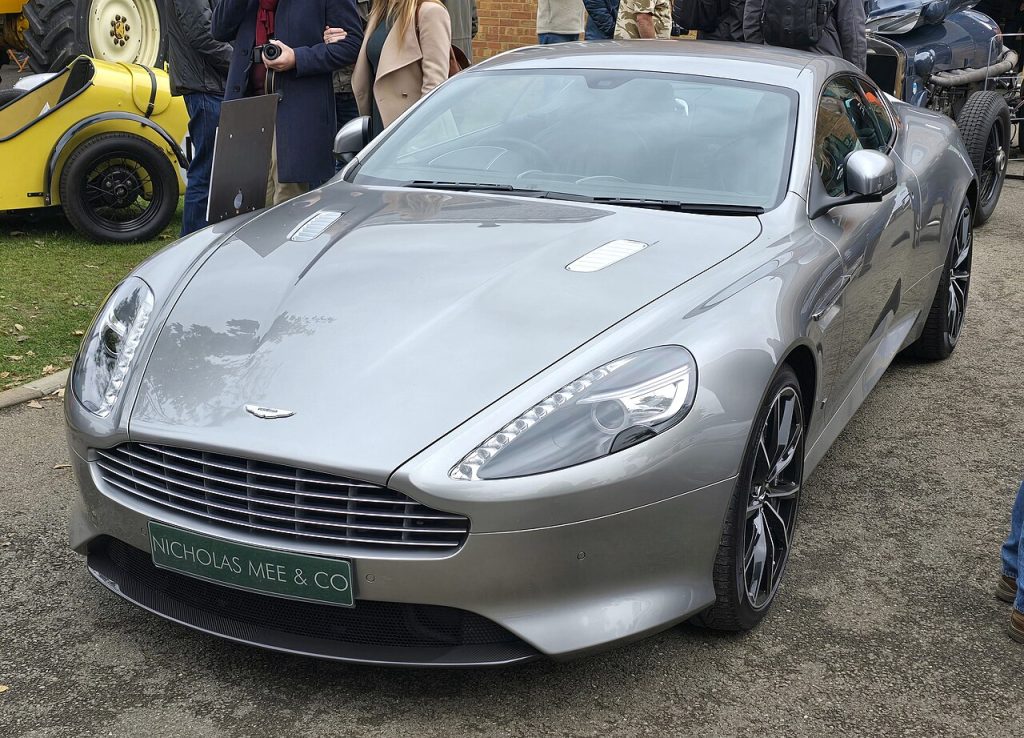
The bundled image is source-identified as a DB9 GT Bond Edition photographed at Bicester Scramble in October 2024. It provides a subject image rather than a claim that the vehicle appeared in Spectre. Photographer, Commons source, licence and resizing disclosure remain linked visibly. The photograph does not independently establish chassis identity, accessory completeness or current condition. When sharing it, retain the attribution and the limited purpose of the caption. A dated event picture can illustrate the edition’s design while original documents support the car-specific findings that a collector may need before making a purchase.
Frequently asked questions
How many were announced?
The contemporary announcement limits the programme to 150 worldwide; exact factory-certified completed fields remain unset.
Were they all coupes?
Cottingham reports 141 coupes and nine US-market Volantes, retained as attributed body findings.
Was it the car James Bond drove in Spectre?
The DB10 was developed for the film. Bond Edition identity does not establish film use.
What power reference belongs to DB9 GT?
The factory range brochure gives 540 bhp as a historical programme rating, not current measured output.
Explore related Aston Martin profiles
- Aston Martin DB9 Centenary Edition
- Aston Martin DB7 Vantage Anniversary Edition
- Aston Martin DBS Ultimate Coupe
Sources
- Tim Cottingham: DB9 GT Bond edition, 150 limit and reported 141 coupe/nine Volante split
- Tim Cottingham: DB9 GT Bond Volante, nine US-market examples reported
- Bond Lifestyle: contemporary September 2015 Bond Edition announcement and accessories
- Aston Martin 2016 model-range brochure: DB9 GT and period V8/V12 Vantage specifications
- Aston Martin Formula One team: DB10 developed exclusively for Spectre
Historical claims follow the linked manufacturer, archive, specialist and catalogue records, with disputed findings retained. Inspection and collecting guidance is editorial analysis. Catalogue condition and custody statements remain dated to their sources.
Photography and credit
Source-identified DB9 GT Bond Edition photographed at Bicester Scramble in October 2024. Model image, not a film-used-car claim or an independent chassis inspection. Photo: MrWalkr / Wikimedia Commons · CC BY-SA 4.0. Wikimedia thumbnail resized from original; no cropping or colour changes.
Why this machine matters
The DB9 GT Bond Edition joined Aston Martin’s 2015 Spectre celebrations with a 150-car worldwide limit, numbered 007 details and themed accessories. It used the DB9 GT grand-tourer platform rather than the film’s bespoke DB10. A specialist-reported coupe/Volante breakdown adds useful context without becoming a new factory-certified chassis census.
Built in limited numbers
The contemporary announcement describes 150 cars worldwide. Cottingham reports a split of 141 coupes and nine Volantes, with the open cars assigned to the US market. Those body findings remain specialist-reported; this profile records 150 as the edition ceiling and leaves exact factory-certified completed production unset. It also covers the programme as named in the inventory, rather than silently assigning its whole population to the coupe. A numbered car needs its own original body and specification evidence. The plaque’s denominator is part of the edition story, but a complete census requires more than one advertised example.
Gallery
Specifications
Factory specifications may vary by model year, market and configuration.
Identity & production
- Official model
- Aston Martin DB9 GT Bond Edition
- Base model
- DB9 GT
Powertrain & performance
- Engine
- DB9 GT naturally aspirated V12; manufacturer period 540 bhp rating
Sources and verification
- astonmartins.com
- astonmartins.com
- www.jamesbondlifestyle.com
- www.auto-brochures.com
- www.astonmartinf1.com