Aston Martin V8 Vantage Centenary Edition
The V8 Vantage Centenary Edition applied Aston Martin’s anniversary craftsmanship to its compact sports-car family, including standard and S specifications. A 100-car programme limit sits above smaller register-attributed coupe and Roadster findings. This guide keeps those body, engine and transmission distinctions visible instead of presenting every Centenary Vantage as one identical version.
The V8 Vantage Centenary Edition applied Aston Martin’s anniversary craftsmanship to its compact sports-car family, including standard and S specifications. A 100-car programme limit sits above smaller register-attributed coupe and Roadster findings. This guide keeps those body, engine and transmission distinctions visible instead of presenting every Centenary Vantage as one identical version.
Aston Martin V8 Vantage Centenary Edition at a glance
| Manufacturer | Aston Martin |
|---|---|
| Model / family | V8 Vantage |
| Profile scope | Historic road-model archive |
| Historical reference year | 2013 |
| Inventory reference | AST-114 |
| Factory allocation limit | 100; completed census not independently certified |
| Specialist-reported completed coupes | 26; count scope discussed below |
| Register-attributed Roadsters | 4; count scope discussed below |
| Historical engine reference | 4.7-litre V8 Vantage and V8 Vantage S programme; actual derivative established by build record |
| Displacement reference | 4735 cc; historical programme reference, not current installed measurement |
The Centenary Vantage was more than one mechanical version
The specialist edition account covers V8 Vantage and V8 Vantage S, with both coupe and open-car histories represented. That breadth should guide the public record: the inventory’s generic name does not justify assigning S specification to every anniversary car. The edition combines a shared commemorative idea with individual mechanical choices. A buyer interested in an S should confirm that identity through original records, while a standard V8 example can remain a genuine Centenary car. The useful distinction is between the supported derivative and the common anniversary treatment, not between a supposedly authentic publicity configuration and everything else.
Rarity: a 100 limit and smaller register-attributed populations
The manufacturer announced a ceiling of 100 for the V8 Vantage model line. Cottingham attributes awareness of 26 Centenary coupes to the Aston Martin Heritage Trust register, split evenly between standard and S cars. The open-car account describes awareness of four Roadsters, including two S versions. These findings are kept as reported body counts, without turning their sum into a factory-certified worldwide production badge. They demonstrate why an announced denominator can be larger than the recorded completions. An individual vehicle still needs its own original body and derivative identity established before it is assigned to either subset.
The transmission breakdown is useful but remains attributed
The coupe account reports three six-speed manuals among the 26, with one manual S coupe, while the remaining coupes used Sportshift II. The Roadster account describes four left-hand-drive Sportshift II cars. Those observations concern the register described by the specialist source, not a fresh chassis-by-chassis investigation by this guide. They can help a collector frame an enquiry without making an unsupported uniqueness claim about a pictured car. Keep gearbox, original specification and any later conversion separate. A manual shift lever or a seller’s repeated rarity phrase cannot settle the historical allocation without the associated records.
Why the paint treatment matters on the compact body
The specialist specification describes the graduated silver finish and permits single-tone alternatives. On the Vantage, its visual interest lies in how the shading interacts with the short body and broad rear quarters. That is a design interpretation, not a measurement of aerodynamic benefit or an authentication method. Comparing different original orders can reveal the variety within the anniversary programme. Before changing a finish, establish whether the car retained its factory paint and what repairs occurred later. The appropriate goal is a coherent history of the actual vehicle, rather than forcing every example to resemble the best-known promotional rendering.
Period V8 specifications and the importance of the S suffix
The July 2013 factory range brochure’s indexed text identifies the S with a 430 bhp 4.7-litre V8 and manual or optional seven-speed Sportshift II. The dedicated earlier S brochure explains the automated-manual architecture. These sources establish mechanical context rather than a present measured output for any Centenary chassis. Confirm the actual derivative and gearbox through the build record. A small anniversary programme can contain several configurations, and a single engine badge field would conceal that useful distinction.
Cabin details should support the edition record
The specialist account describes anniversary upholstery, silver embroidery and numbered silver details within the broader specification. Those pieces are most persuasive when the order record and early photographs agree with what survives. Inspect trim repairs, replacement panels and wear individually, noting their dates when known. A refurbished cabin can remain understandable without being described as untouched. Conversely, an attractive collection of anniversary-looking pieces does not establish original membership on its own. This is especially useful for a model family with many bespoke choices: a reader needs to know whether a detail was factory ordered, installed later or remains unverified.
Choosing between a coupe and a Roadster
The published body breakdown makes the Roadster a particularly small reported subset, but body choice should also reflect the owner’s intended use. A coupe and Roadster invite different questions about cabin exposure, roof operation, visibility and storage. Inspect the actual car in those terms instead of allowing a low count to decide the whole purchase. The programme’s original intent was commemorative, and the retained body and mechanical configuration contribute to its history. A supported open-car record is useful even when it cannot be collapsed into an exact worldwide body-production number or a claim that every surviving example is unchanged.
A provenance review for a low-volume commemorative car
Gather the factory specification, chassis details, early invoices, delivery photographs and numbered-edition documentation. Compare those sources with the physical car before drawing conclusions from badges or current advertisements. Where the register-attributed counts are important to a purchase, ask what chassis information underlies the specific claim and how the body and gearbox were classified. This is editorial research guidance, not a statement that an owner must possess one particular certificate format. The objective is to replace broad rarity language with an evidence trail that another reader can follow, while preserving genuine uncertainty when the material does not answer a question.
Related Vantages reveal a different kind of special edition
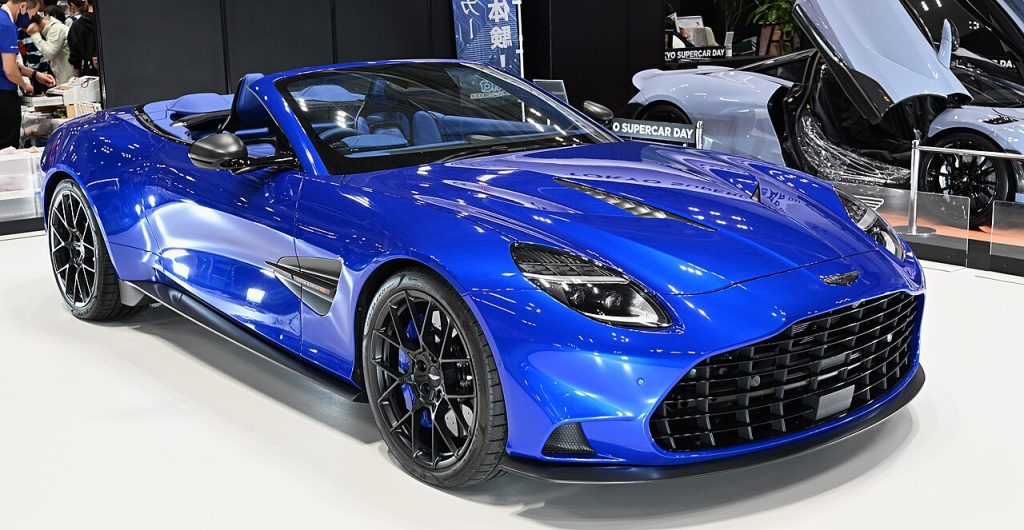
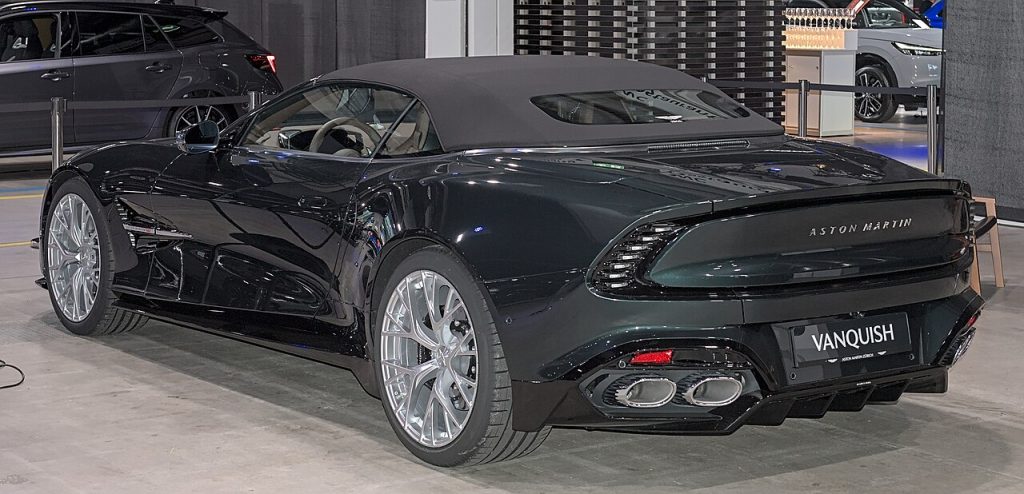
The N420 and Blades Edition offer useful comparisons within the V8 Vantage lineage. Their purposes and count scopes differ from the Centenary programme, so shared body shape does not make their equipment or rarity interchangeable. The Vanquish Centenary shows how the same anniversary identity was expressed on a larger flagship. Together, these profiles let readers distinguish a commemorative finish, a motorsport-themed derivative and a regional bespoke commission. An informed comparison should retain original powertrain and date before discussing which car better suits a collecting theme. Rarity is a description of a scoped population, not a substitute for a supported identity.
The bundled V8 Vantage reference image
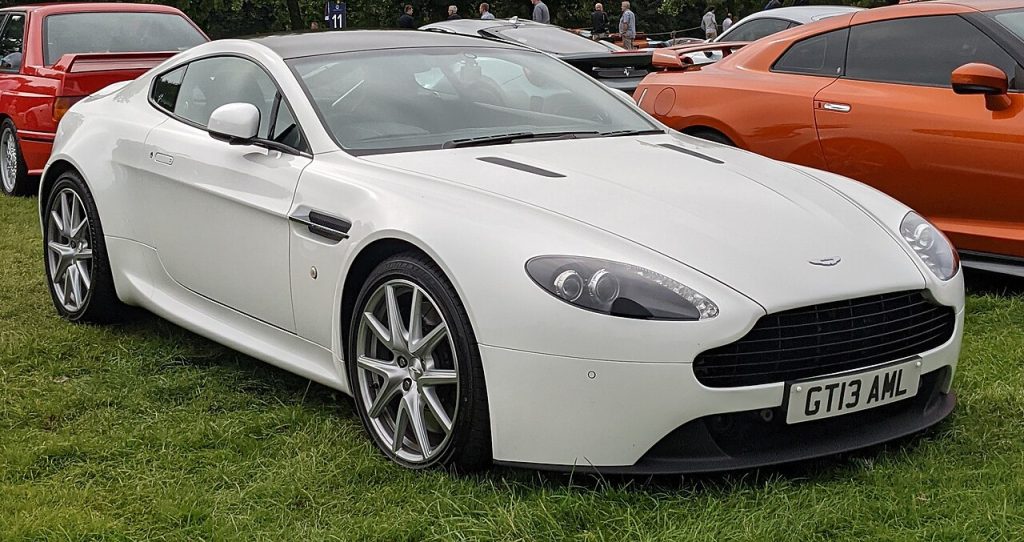
The photograph shows a source-identified 2013 V8 Vantage photographed in September 2021. Its anniversary identity has not been established, and the caption deliberately presents it as a family reference. Linked source, photographer, licence and resizing disclosure remain visible. An authenticated licensed Centenary photograph is still required before publication. A future exact-edition image should identify whether it shows a standard or S car and coupe or Roadster where the evidence supports that detail. Keeping the present limit explicit prevents an ordinary family photograph from becoming an accidental claim about one of the register’s very small subsets.
Frequently asked questions
Were all Centenary Vantages V8 Vantage S models?
No. The specialist record includes standard and S specifications.
How many are recorded by body?
Cottingham attributes awareness of 26 coupes and four Roadsters to the Heritage Trust register, not a new factory-certified census.
Was every car a manual?
No. The specialist reports three manual coupes; the four reported Roadsters used Sportshift II.
Is this an exact-edition photograph?
No. It is a clearly labelled V8 Vantage family reference awaiting an authenticated licensed replacement.
Explore related Aston Martin profiles
- Aston Martin V8 Vantage N420 Coupe
- Aston Martin V8 Vantage S Blades Edition
- Aston Martin Vanquish Centenary Edition
Sources
- Aston Martin Magazine: the 2013 Centenary programme and 100-per-model-line limit
- Tim Cottingham: V8 Vantage Centenary and register-attributed coupe breakdown
- Tim Cottingham: register awareness of four V8 Vantage Centenary Roadsters
- Aston Martin July 2013 Vantage range brochure: indexed period power and gearbox references; full PDF blocked
- Aston Martin V8 Vantage S brochure: 4.7-litre engine and Sportshift II architecture
Historical claims follow the linked manufacturer, archive, specialist and catalogue records, with disputed findings retained. Inspection and collecting guidance is editorial analysis. Catalogue condition and custody statements remain dated to their sources.
Photography and credit
Source-identified 2013 V8 Vantage photographed in September 2021. Family reference only; Centenary Edition identity is unverified. An authenticated licensed exact-edition photograph remains a publication hold. Photo: Calreyn88 / Wikimedia Commons · CC BY-SA 4.0. Wikimedia thumbnail resized from original; no cropping or colour changes.
Why this machine matters
The V8 Vantage Centenary Edition applied Aston Martin’s anniversary craftsmanship to its compact sports-car family, including standard and S specifications. A 100-car programme limit sits above smaller register-attributed coupe and Roadster findings. This guide keeps those body, engine and transmission distinctions visible instead of presenting every Centenary Vantage as one identical version.
Built in limited numbers
The manufacturer announced a ceiling of 100 for the V8 Vantage model line. Cottingham attributes awareness of 26 Centenary coupes to the Aston Martin Heritage Trust register, split evenly between standard and S cars. The open-car account describes awareness of four Roadsters, including two S versions. These findings are kept as reported body counts, without turning their sum into a factory-certified worldwide production badge. They demonstrate why an announced denominator can be larger than the recorded completions. An individual vehicle still needs its own original body and derivative identity established before it is assigned to either subset.
Gallery
Specifications
Factory specifications may vary by model year, market and configuration.
Identity & production
- Official model
- Aston Martin V8 Vantage Centenary Edition
- Base model
- V8 Vantage
Powertrain & performance
- Engine
- 4.7-litre V8 Vantage and V8 Vantage S programme; actual derivative established by build record