Aston Martin DB5 Goldfinger Continuation Retained / Charity Cars
Aston Martin’s Goldfinger DB5 plan included three cars beyond the twenty-five customer allocation: one for EON, one for Aston Martin and one intended for charity auction. This profile records that documented non-customer allocation. Individual completion, chassis assignments, later custody and charity disposition remain unresolved in the retrieved records.
Aston Martin’s Goldfinger DB5 plan included three cars beyond the twenty-five customer allocation: one for EON, one for Aston Martin and one intended for charity auction. This profile records that documented non-customer allocation. Individual completion, chassis assignments, later custody and charity disposition remain unresolved in the retrieved records.
Aston Martin DB5 Goldfinger Continuation Retained / Charity Cars at a glance
| Manufacturer | Aston Martin |
|---|---|
| Model / family | DB5 |
| Profile scope | Documented retained and charity allocation reference |
| Historical reference year | 2020 |
| Inventory reference | AST-150 |
| Factory non-customer allocation plan | 3 planned cars; individual completion unresolved |
| Combined parent allocation limit | 28; count scope discussed below |
A programme allocation with a narrower scope
The retained and charity entry concerns the three additional cars specified in the original Goldfinger continuation plan. It is an allocation record, not a claim that three independently authenticated chassis have been traced through their completed histories. That narrower scope makes the profile useful: it preserves a factory statement that is easily lost when summaries concentrate on customer sales. An archive can record the plan and its importance while leaving missing completion or custody information visible for later evidence to resolve.
Rarity: three additional planned cars
The 2018 manufacturer announcement specified one car for EON, one for Aston Martin and a third intended for charity auction. These three were additional to the twenty-five customer cars. The combined announced programme therefore reaches twenty-eight planned cars, but that arithmetic is not proof of twenty-eight completed vehicles. This entry keeps the allocation unit explicit and does not populate an exact verified production total. A future reconciliation should identify each relevant chassis before upgrading the plan into a completed or surviving-car census.
Why the archive reference remains 2020
The inventory places this entry in 2020, the year of the first documented customer-car completion. The non-customer allocation itself was announced in 2018. There is no retrieved evidence establishing that all three additional cars were completed or assigned during 2020, so the year is kept as programme context rather than a certified build date. That distinction allows the chronology to remain connected with the customer project without transferring one car’s completion milestone to three different allocations.
The EON allocation and its original role
EON was identified as the intended recipient of one additional car in the launch plan. This is a documented original allocation, not a verified statement about the car’s present location, owner or use. A demonstration, exhibition or film event involving a continuation does not automatically identify it as the EON car. Individual identity needs a reliable chassis-linked record. Keeping that requirement clear prevents a plausible event photograph from becoming an unsupported ownership story repeated across an enthusiast archive.
The Aston Martin allocation and display assumptions
The factory likewise planned one additional car for itself. It is tempting to identify any public demonstration vehicle as that retained example, but the plan alone does not establish the chassis of a later display car. A vehicle shown before customer completion may be a development or presentation object, and its role needs explicit evidence. Record public appearances as dated observations without assigning an allocation by inference. That approach leaves room for a more precise factory history when the relevant documents become available.
The charity allocation and unresolved disposition
The original statement intended the third additional car for charity auction. The retrieved manufacturer evidence does not establish its completed chassis or final charitable disposition. Leave a result, sale date and beneficiary unset unless a primary record identifies this particular vehicle. Bond-related charity sales can include film replicas, props, scale models and other Aston Martins, so a familiar DB5 description is insufficient. The useful archive distinguishes the planned purpose from a completed event and identifies what evidence would close the gap.
How the three relate to the customer series
The additional allocation explains why the broader project can be described differently from its customer run. The customer profile retains twenty-five, while this entry preserves three planned non-customer cars. Neither should quietly replace the other’s count. The original purpose of an allocation may also differ from a later transaction: a car intended for a charity sale could eventually have a private owner. That later history would need to be documented without rewriting the distinction between the original customer sales programme and its additional allocations.
What the programme engineering can establish
The Goldfinger project’s factory records explain the modern Works construction and the development of film-inspired demonstration systems. They provide context for the additional allocation, but do not independently certify the exact equipment installed in each of these three unidentified cars. Keep programme references separate from an individual technical table. A future chassis record may reveal development differences, alterations or accessory choices. The present entry remains useful by explaining the project while avoiding a claim that every item in a customer equipment list has been verified on all retained or charity examples.
The difference between a continuation and a screen prop
A modern official continuation and a DB5-shaped vehicle used for filming can have different construction, identity and provenance. Similar styling or working effects do not make them interchangeable. When reviewing a sale or exhibition record, establish what the object actually is and how its chassis relates to the manufacturer programme. A charity association alone is not a shortcut to that conclusion. Precise classification protects the histories of the additional allocations, the customer continuations and the separate screen-used objects.
Evidence needed to complete the three-car history
A reconciliation would begin with factory chassis assignments and build records, followed by handover or retention documentation for the EON and Aston Martin allocations. The charity car would additionally need a reliable auction or disposition record linked to the same identity. Those records should establish dates and original roles without assuming present custody. Subsequent service, exhibitions or sales can then extend the individual histories. This sequence defines a concrete research task rather than hiding missing evidence behind a broad claim that all three are already verified survivors.
Inspection follows an authenticated individual car
If one of these allocations is offered or displayed with credible identity evidence, its inspection should address the actual installed specification, mechanical condition and demonstration equipment. Do not assume a low recorded mileage establishes a preservation history or that institutional use guarantees every system remains operational. Ask for dated maintenance and operating records. These are priorities for a future authenticated vehicle, not findings about the condition of three cars whose detailed histories remain unresolved. The archive should keep that distinction clear until the evidence supports a more specific account.
The programme reference photograph is labelled explicitly
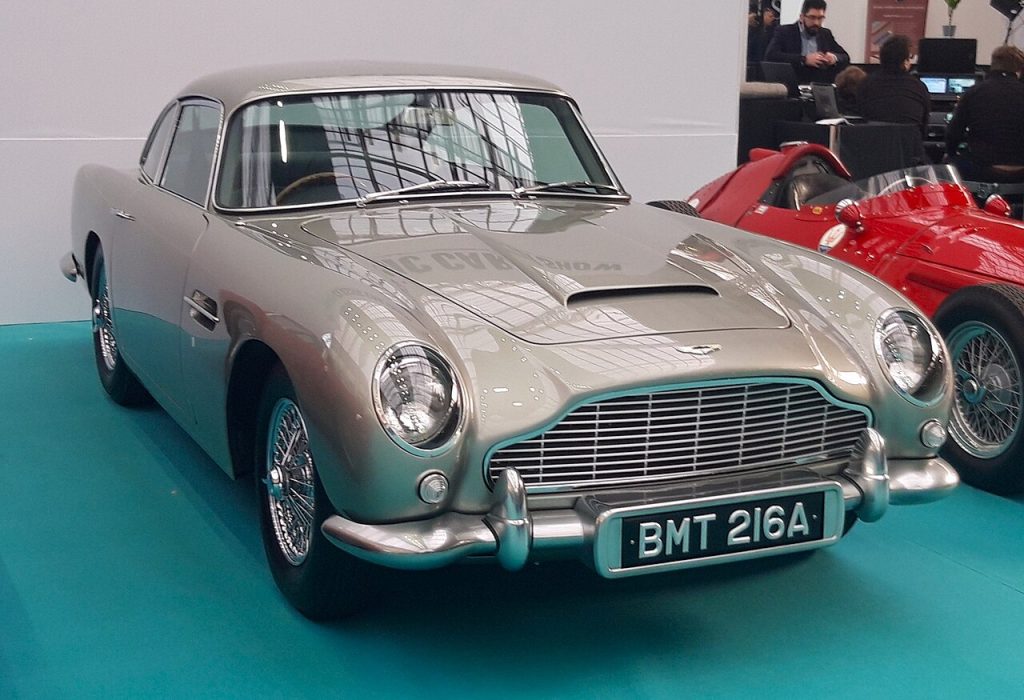
The supplied image shows a source-identified Goldfinger Continuation at the London Classic Car Show in February 2020. It gives readers a licensed illustration of the programme, with visible photographer, source and license links. The record does not establish membership of the retained or charity allocation, and the caption says so. The image is therefore not described as the EON car, the factory-retained car or the charity chassis. This honest visual scope keeps the entry useful while preserving the individual research questions that remain open.
Frequently asked questions
Were three cars planned beyond the twenty-five customer cars?
Yes. The August 2018 manufacturer announcement specifies one for EON, one for Aston Martin and one intended for charity auction.
Does that establish three completed and traced cars?
No. It verifies the original allocation plan. Individual completion, chassis assignment, later custody and charity disposition remain unresolved in the retrieved evidence.
Is the pictured DB5 one of these three cars?
Its membership of the additional allocation is unverified. The caption labels it as a Goldfinger Continuation programme reference photograph.
Should the count be added to the customer figure?
The announced plan totals twenty-eight cars when twenty-five customer allocations and three additional allocations are combined. That is planned scope, not a reconciled completed census.
Explore related Aston Martin profiles
- Aston Martin DB5 Goldfinger Continuation Customer Cars
- Aston Martin DB4 GT Zagato Continuation
- Aston Martin DBS Superleggera OHMSS Edition
Sources
- Aston Martin: Goldfinger DB5 announcement, 20 August 2018, twenty-five customers and three additional allocations
- Aston Martin: first customer Goldfinger DB5 completed and deliveries commenced, 6 July 2020
- Aston Martin Works: Goldfinger DB5 Continuation programme
- Aston Martin Works: continuation history, distinguishing modern builds from David Brown-era originals
- Aston Martin: Goldfinger gadget development update, 14 May 2019
Historical claims follow the linked manufacturer, archive, specialist and catalogue records, with disputed findings retained. Inspection and collecting guidance is editorial analysis. Catalogue condition and custody statements remain dated to their sources.
Photography and credit
Programme reference photograph: DB5 Goldfinger Continuation at London Classic Car Show in February 2020. Membership of the three-car retained/charity allocation is unverified; this is not labelled as a specific retained or charity chassis. Photo: MrWalkr / Wikimedia Commons · CC BY-SA 4.0. Wikimedia thumbnail resized from original; no cropping or colour changes.
Why this machine matters
Aston Martin’s Goldfinger DB5 plan included three cars beyond the twenty-five customer allocation: one for EON, one for Aston Martin and one intended for charity auction. This profile records that documented non-customer allocation. Individual completion, chassis assignments, later custody and charity disposition remain unresolved in the retrieved records.
Built in limited numbers
The 2018 manufacturer announcement specified one car for EON, one for Aston Martin and a third intended for charity auction. These three were additional to the twenty-five customer cars. The combined announced programme therefore reaches twenty-eight planned cars, but that arithmetic is not proof of twenty-eight completed vehicles. This entry keeps the allocation unit explicit and does not populate an exact verified production total. A future reconciliation should identify each relevant chassis before upgrading the plan into a completed or surviving-car census.
Gallery
Specifications
Factory specifications may vary by model year, market and configuration.
Identity & production
- Official model
- Aston Martin DB5 Goldfinger Continuation Retained / Charity Cars
- Base model
- DB5
Sources and verification
- media.astonmartin.com
- media.astonmartin.com
- astonmartinworks.com
- astonmartinworks.com
- www.astonmartin.com