2024 Genesis GV60 Magma Concept
Discover the 2024 Genesis GV60 Magma Concept: electric crossover design, performance programme origins and a matched photo with licence credits.
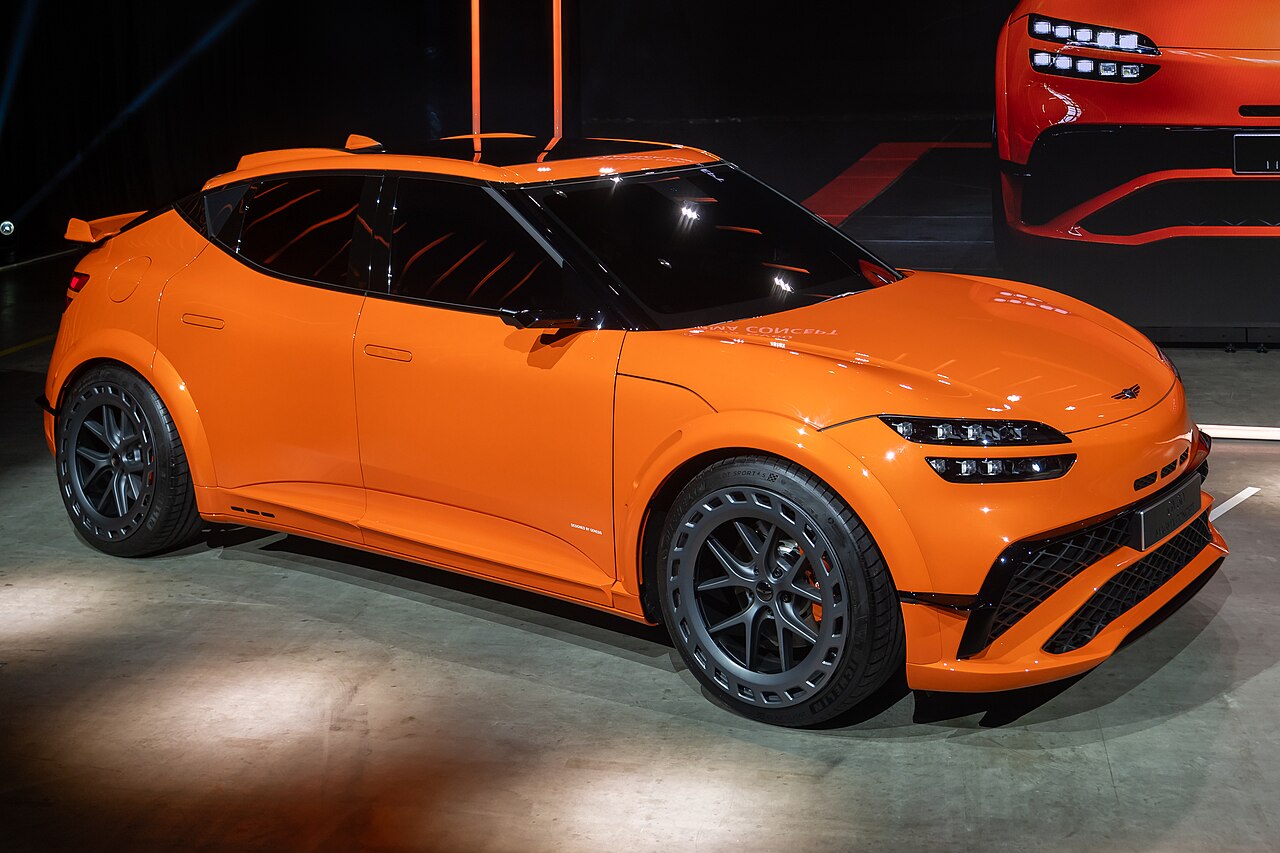
Genesis unveiled the GV60 Magma Concept at Genesis House New York in March 2024, placing an electric crossover at the centre of its new performance direction.
History and purpose
Genesis unveiled the GV60 Magma Concept at Genesis House New York in March 2024, placing an electric crossover at the centre of its new performance direction. The original presentation defines the concept and its relationship to the broader Magma programme. This profile records that physical show vehicle, rather than the later GV60 Magma production model. Production announcements and market allocations are separate subjects and do not provide a fabrication count for the concept. The exact complete tally remains unknown. Its archive value lies in the way it translated a compact electric crossover into a deliberately more expressive performance proposal.
Design and engineering
The supplied Zurich show photograph depicts the orange concept’s broader body treatment and emphatic front openings. Its short upper body remains recognizable as a crossover, while the widened lower volume changes the car’s stance. Genesis’ original release describes a lowered and widened design with cooling and aerodynamic elements. Those statements explain the proposal, but the image does not independently measure cooling efficiency or downforce. No launch horsepower or battery-capacity figure is assigned where the cited debut record does not establish one. The design analysis stays with the visible body, while announced engineering remains attached to its manufacturer source.
Identifying the original configuration
Keep GV60 Magma Concept together with its 2024 reference year. A subsequent production GV60 Magma may share a colour or related body features, but it is not a substitute for the original show subject. Check the event, source description and concept-specific exterior details before selecting a photograph. Later demonstrations or altered configurations should be documented as dated events. The licensed image establishes the recognizable physical concept at an exhibition; it does not identify an individual construction number or certify its operating condition. This prevents the archive from absorbing ordinary production vehicles merely because they carry the Magma name.
Collector context and preservation
In a collection, the GV60 Magma Concept works well beside the Neolun unveiled at the same event. Their contrasting forms reveal two different uses of an electric future: a compact performance expression and a large hospitality-focused SUV. A photographic comparison can explain that difference through stance, body volume and cabin presentation. Preserve those visual records before adding any performance demonstration. For the concept itself, condition reports should distinguish painted bodywork, aerodynamic addenda, wheels and interior trim. That allows a future archive to track physical changes while retaining the original 2024 design identity and its separately documented introduction.
Reading the evidence for this profile
The original source links below identify the programme and the historical statements used in this article. The photograph has its own creator and licence record, separate from the manufacturer’s vehicle history. Keep both when transferring this profile into a collection catalogue. A manufacturing tally describes how many cars belong to a defined original programme; it does not measure how many survive, how many are publicly visible, or how many retain all their original components. Those individual questions require dated chassis and restoration evidence. The reference year likewise describes the programme’s introduction or named historic configuration, while the supplied caption states the photographed setting and any established individual identity. This lets future research expand the car’s history without blurring the scope of the record already assembled here.
Specifications and verified rarity
| Reference year | 2024 |
|---|---|
| Model / programme | GV60 Magma Concept |
| Body / role | Electric performance crossover concept |
| Documented engine | Enhanced electric powertrain concept; debut output figure not established here |
| Architecture / transmission | GV60-based performance concept with widened and lowered stance |
| Exact manufacturing tally | Not established |
| Eligibility bound | Physical concept archive scope; tally unknown |
| Rarity scope | Physical GV60 Magma Concept introduced March 2024; complete fabrication tally unknown. Separate from the later GV60 Magma production model and regional sales allocations. |
| Inventory reference | GNS-075 — Verified |
Frequently asked questions
What is the Genesis GV60 Magma Concept?
The physical 2024 GV60 electric performance concept unveiled with Neolun; separate from the later customer-production GV60 Magma.
What engineering defines this Genesis?
Enhanced electric powertrain concept; debut output figure not established here. GV60-based performance concept with widened and lowered stance. These are the documented programme or preserved-concept specifications. Connect an individual vehicle’s installed components to its own dated records before assigning a factory configuration to that particular example.
Why is 2024 the reference year?
It identifies the introduction or original historical configuration described in this article. The photograph can show a later example or a later display of the original subject. The source inventory’s original heading remains an identity alias wherever the date or model name has been corrected.
How should an individual GV60 Magma Concept be documented?
Start with the chassis identity and connect it to dated construction, registration or custodial records. Keep exterior, interior, engine and underbody photographs together. Record changes to finish, equipment and mechanical specification as separate events, so the physical car’s history can grow without changing the definition of the original programme.
What rarity or archive scope is verified?
Physical GV60 Magma Concept introduced March 2024; complete fabrication tally unknown. Separate from the later GV60 Magma production model and regional sales allocations.
Who took the supplied photograph?
Matti Blume via Wikimedia Commons, under CC BY-SA 4.0. The original file and licence links accompany the image. Retain that credit when the photograph is uploaded, exported or reused.
Related Genesis profiles
Sources and photo credits
- Manufacturer, institutional or original custodial record
- Manufacturer recap of Neolun and GV60 Magma concept reveal
Photograph: Matti Blume via Wikimedia Commons original file, CC BY-SA 4.0. Source-provided photograph supplied without local cropping, retouching or text removal. A source thumbnail is used where available. Genesis GV60 Magma Concept photographed at Auto Zurich 2024; the image documents the original concept, not a later retail GV60 Magma.
Built in limited numbers
Physical GV60 Magma Concept introduced March 2024; complete fabrication tally unknown. Separate from the later GV60 Magma production model and regional sales allocations.
Gallery
Specifications
Factory specifications may vary by model year, market and configuration.
Identity & production
- Official model
- GV60 Magma Concept