2016 Cadillac Escala Concept
Explore the 2016 Cadillac Escala Concept: history, design, scoped rarity, collector details, specifications and an authentic photograph with full credit.
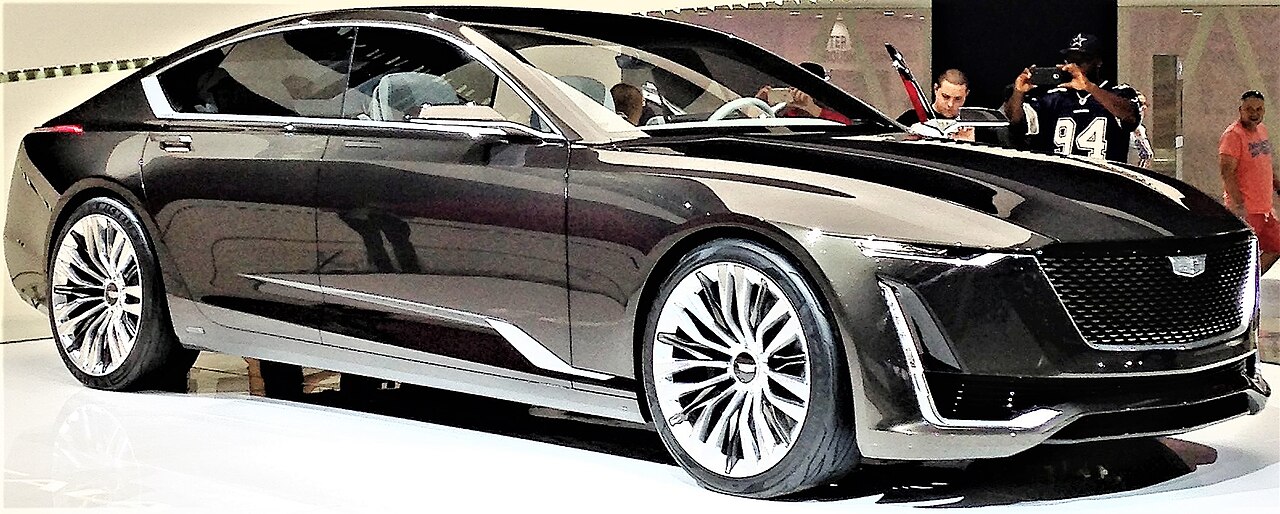
The 2016 Cadillac Escala concept presents a long, low four-door body with a rear opening that changes the traditional luxury-sedan silhouette. The supplied exhibition photograph documents the physical concept in profile and front three-quarter view. Its project identity is retained separately from the production CT6 and from other Cadillac show cars.
History, identity and design
The photographed body places a slim glasshouse above a broad, calm lower form. The roof moves toward the rear in a continuous sweep, and the front avoids the appearance of a collection of separate bulky elements. From this angle, the proportions can be studied without opening any panels. The lamp and grille shapes help organize the front, while the side surfaces make the length legible. These are visible design relationships, not claims that the car pictured is a saleable production sedan.
Cadillac's original project document describes a four-door concept with liftback functionality and identifies the proposed powertrain context. It also discusses curved OLED displays as part of the cabin design. Those ideas belong to a manufacturer presentation of a future luxury experience. They should not be converted into a complete retail equipment list, a certified road-car performance claim or a promise that every concept feature later appeared unchanged in a customer vehicle.
The liftback arrangement is particularly useful in explaining Escala's archive identity. A car can maintain a formal four-door passenger layout while changing the way its rear body is accessed. That shifts both the silhouette and the implied use of the space behind the occupants. It is a more specific design story than simply calling the car a large Cadillac concept. A rear view and opening demonstration would be valuable additions to the documentary file when matching sources become available.
The reference year follows the original concept project, while later exhibition dates should remain attached to their individual photographs. Escala is not merged with a CT6-V just because there is a documented architectural relationship. Their road-car and concept identities serve different purposes in the catalogue. Keeping the physical project together under its own name lets the archive discuss design development without presenting a production population or global prototype total that the available evidence does not certify.
Factual identity and engineering references: Source 1.
Specifications and production scope
| Reference year / scope | 2016 |
|---|---|
| Subject | Escala Concept |
| Engineering context | 4.2-litre twin-turbo V8 concept proposal; CT6-derived architecture |
| Design focus | A long four-door concept with a liftback silhouette |
| Rarity scope | Original identified physical concept project represented by its documented show car. One archive project record; exact worldwide prototype manufacturing total is not established and is left unset. |
| Exact scoped build tally | Unset; see scoped eligibility note |
| Inventory reference | CAD-173 — Verified |
Keeping the collector record useful
A useful Concepts file separates the model story from the life of an individual vehicle. Record the body or edition designation exactly as it appears in matching documents, then keep clear front, side, rear and cabin photographs with the dates attached. Changes made during restoration deserve their own entries, including the reason for the work and the evidence used. That approach lets future readers compare the physical car with this profile without confusing a present appearance, an original factory specification and an attractive historical association.
Documentary photograph
Cadillac Escala concept at a 2016 exhibition; physical project documentary view. The source image was checked for the pictured body or physical project and its file-specific reuse terms. The visible photograph caption links the photographer, original file and licence so the illustration can be traced independently of the article.
Frequently asked questions
Is Escala a CT6 trim level?
The manufacturer document identifies it as a concept project. Its architectural context does not turn it into a retail CT6 edition or merge its identity with the separately catalogued production sedan.
Why mention the rear opening?
The liftback arrangement is part of the original concept description and helps explain the body form. It is a useful design distinction within a familiar four-door luxury layout.
What production scope applies to the 2016 Escala Concept?
Original identified physical concept project represented by its documented show car. One archive project record; exact worldwide prototype manufacturing total is not established and is left unset.
What should a collector document on an individual example?
Keep the vehicle’s identification, body or edition evidence, dated photographs and restoration records together. This Concepts profile explains the model subject; ownership, original finish and present condition require records that match the individual car being considered.
Does this profile provide a complete original specification?
The specification table records the supported identity and engineering context for this year. An exterior photograph cannot establish every optional feature or later component change. Preserve any matching build record before adding more precise equipment claims to the Escala Concept file.
Who took the photograph and how may it be reused?
The bundled image is credited to Accord14, under CC BY-SA 4.0 on its individual Commons file page. Keep the visible named credit and licence link. The supplied source version has no local image edits; background signage and photographer marks remain where present.
Sources
- Original manufacturer document, contemporary firsthand account or factory-communicated production record
- Photograph: Cadillac Concept.jpg
Related Cadillac profiles
Compare the body forms and clearly scoped identities in 2000 Cadillac Imaj Concept and 2003 Cadillac Sixteen Concept. Each profile keeps its own year, photograph and rarity scope.
Built in limited numbers
Original identified physical concept project represented by its documented show car. One archive project record; exact worldwide prototype manufacturing total is not established and is left unset.
Gallery
Specifications
Factory specifications may vary by model year, market and configuration.
Identity & production
- Official model
- Escala Concept