1982 Porsche 956 Group C Programme
Explore the 956 Group C Programme: history, verified identity, specification references, rarity evidence and real credited photos.
The Porsche 956 combined an aluminium monocoque with ground-effect aerodynamics for the new Group C era. Its first Le Mans appearance in 1982 produced a Porsche one-two-three and began a defining period of endurance success. This profile follows the 956 programme rather than a single livery or surviving chassis. The related 962 has its own record, preserving the regulatory and construction differences instead of merging both names into one production total.
A new chassis for a new category
Porsche’s factory history identifies the 956 as its first racing car with an aluminium monocoque. Developed for Group C, it represented more than another body revision of the earlier open prototypes. The construction method and aerodynamic concept need to be read together. A chassis file for an individual car should still identify its build date and subsequent repairs, because programme-level descriptions do not establish the condition or originality of a surviving monocoque.
Porsche Museum: 956 identity, exhibit history and technical reference
What ground effect changed
The manufacturer describes the specially shaped underbody as a source of strong aerodynamic downforce. The historical significance is a change in how the car generated cornering performance, rather than a claim that it ignored ordinary mechanical limits. Underfloor shape, ride height and body configuration matter to an event specification. A static display can show the design but cannot demonstrate the current aerodynamic performance of a preserved or restored example.
The 1982 Le Mans milestone
Porsche’s museum account records a triple victory at the 956’s Le Mans debut in 1982. Its racing history also connects the model with championship success in the following seasons. Those achievements describe the programme, not every individual chassis. A car’s entry log must establish which results belong to it, and later customer appearances should retain their team and date rather than automatically inheriting the original works cars’ records.
Porsche Museum: 956 identity, exhibit history and technical reference
A technical table with an exhibit boundary
The museum page gives 2,649 cc and 620 hp for its 1982 reference. It also describes the exhibit’s later test and display roles before restoration to works colours. These details show why a museum specification is a useful reference but not a universal figure for every year and customer preparation. Keep engine developments, tail configurations and later preservation work attached to the relevant car and period.
Porsche: 956 racing and ground-effect history
Keeping the 956 and 962 records distinct
The subsequent 962 responded to a different regulatory context and became a related but separate programme. Similar paintwork and silhouettes can make photographs difficult to identify, so rely on original captions and chassis references. For an individual 956, retain construction, race, repair and ownership records. The number of cars displayed together, or the number entered in one event, is not a reconciled total of every chassis produced.
Specifications and identity reference
| Debut season | 1982 |
|---|---|
| Category | Group C |
| Chassis | Aluminium monocoque |
| Aerodynamic principle | Ground-effect underbody |
| Museum engine reference | 2,649 cc turbocharged six-cylinder |
| Museum output reference | 620 hp; configuration-specific |
| Key result | 1982 Le Mans one-two-three |
| Separate successor | 962 / 962 C |
Rarity and production scope
Verified 956 competition programme. Museum technical figures describe a reference configuration, not all customer and works cars. Event entries and preserved examples are not used as a completed chassis census; the related 962 remains separate.
This is an Archive record. Concepts, restored heritage vehicles, works cars and competition programmes are not added to customer road-production totals. A programme profile does not establish how many physical chassis were made, and repeated exhibition appearances do not create additional vehicles.
What the photograph represents
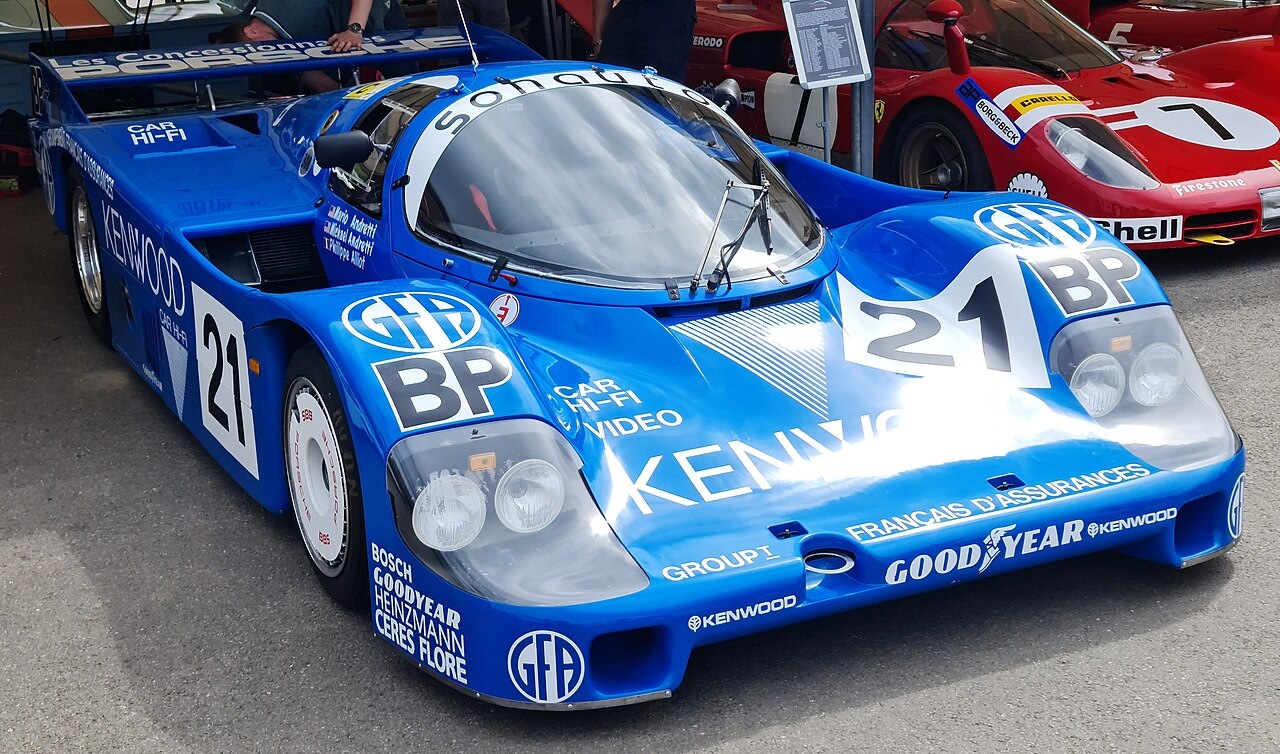
Porsche 956-101 in Kenwood colours at the Festival of Speed in 2021. Later customer-programme illustration; not presented as the 1982 works Le Mans winning car.
Related Porsche heritage profiles
Frequently asked questions
Is a 956 the same programme as a 962?
They are closely related but have distinct regulatory and construction histories, and are separately profiled.
Does 620 hp describe every 956 ever raced?
No. It is the museum’s stated reference configuration.
What is the production-count boundary for this profile?
Verified 956 competition programme. Museum technical figures describe a reference configuration, not all customer and works cars. Event entries and preserved examples are not used as a completed chassis census; the related 962 remains separate.
Sources and further reading
- Porsche Museum: 956 identity, exhibit history and technical reference
- Porsche: 956 racing and ground-effect history
- Porsche: first aluminium monocoque and 1982 testing
Research checked 17 October 2026. Linked factory, heritage and specialist-register records support the specifically attributed claims. Photographic descriptions identify the illustrated subject. Design analysis and suggested authentication steps are editorial interpretation.
Built in limited numbers
Verified 956 competition programme. Museum technical figures describe a reference configuration, not all customer and works cars. Event entries and preserved examples are not used as a completed chassis census; the related 962 remains separate.
Gallery
Specifications
Factory specifications may vary by model year, market and configuration.
Identity & production
- Official model
- Porsche 956 Group C Programme
Sources and verification
Source citations are being prepared for this profile.