1948 Porsche 356 No. 1 Roadster
Explore the 356 No. 1 Roadster: history, verified identity, specification references, rarity evidence and real credited photos.
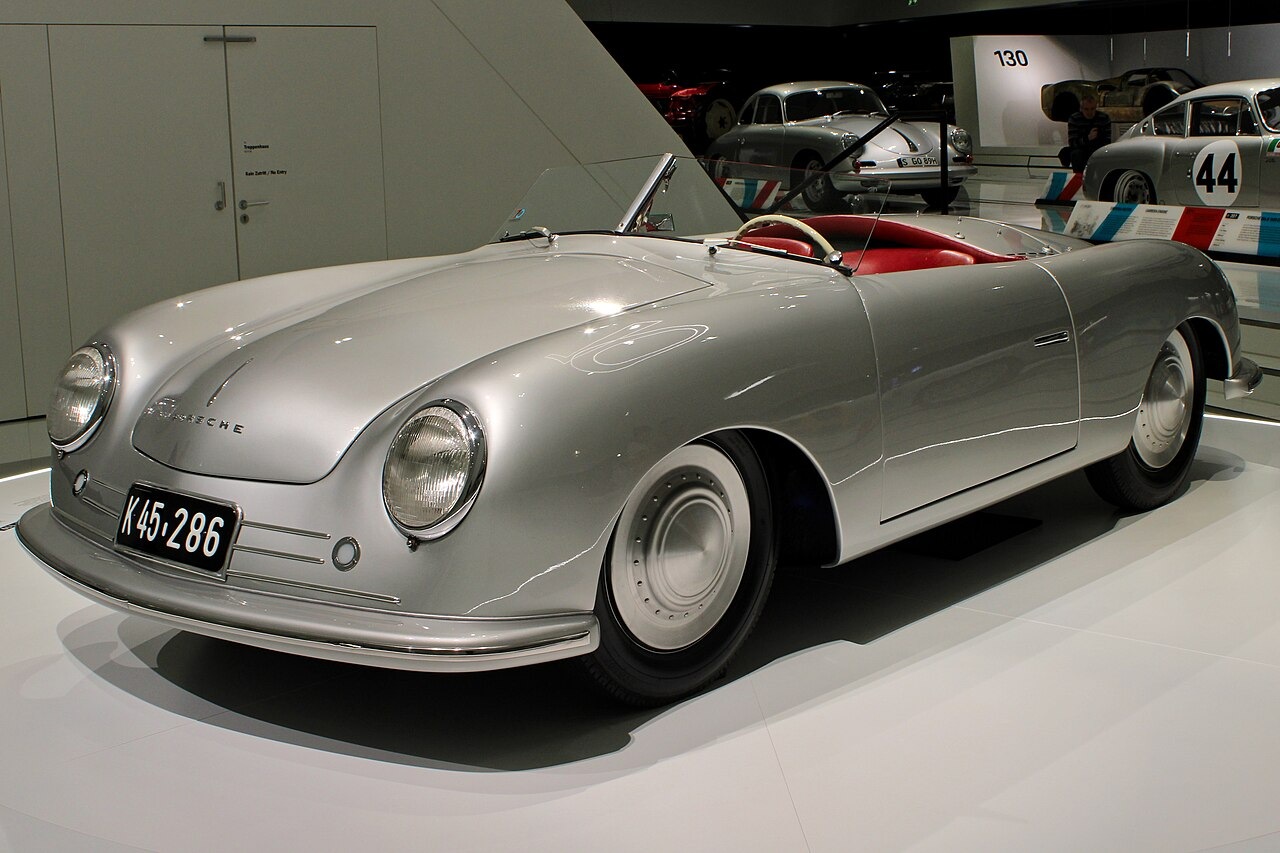
The Porsche 356 No. 1 Roadster is the mid-engined starting point of the Porsche-badged sports-car story. Built in Gmünd, Austria, it received its operating permit on 8 June 1948. Its aluminium body and compact mechanical package preceded the rear-engined production 356. This profile concerns the original prototype and its documented history, keeping later reconstructions, anniversary show cars and ordinary production 356s outside that identity.
Gmünd and the first Porsche-badged sports car
The factory history places the project in the Austrian town to which the company had relocated during the war. Its significance is specific: the No. 1 is the first Porsche-badged sports car, rather than the first vehicle Ferdinand Porsche ever designed. That distinction keeps the claim meaningful. Earlier engineering work belongs to the wider company story, while this roadster marks a new identity on the finished automobile itself.
Porsche: No. 1 history and custody
A mid-engine layout before the production 356
Porsche explicitly distinguishes the roadster’s engine position from the rear-engine arrangement adopted for the series cars. The shared 356 number can otherwise hide that difference. A side view of the prototype explains its compact proportions, but the body alone does not establish mechanical layout. Use the factory technical record alongside photographs, especially when comparing the No. 1 with later Gmünd coupés, cabriolets or the much later Speedster body style.
A car with a life beyond the workshop
The original roadster’s history includes Swiss ownership before it returned to Porsche in 1958. The manufacturer’s account describes the exchange involving owner Franz Blaser and a new Speedster. This custody story is important because the prototype did not spend its entire life untouched in a museum. A heritage record should preserve changes and restoration rather than assuming that the appearance of the present exhibit reproduces every detail of its first 1948 outing.
Porsche: No. 1 history and custody
Why an original and a reconstruction need separate captions
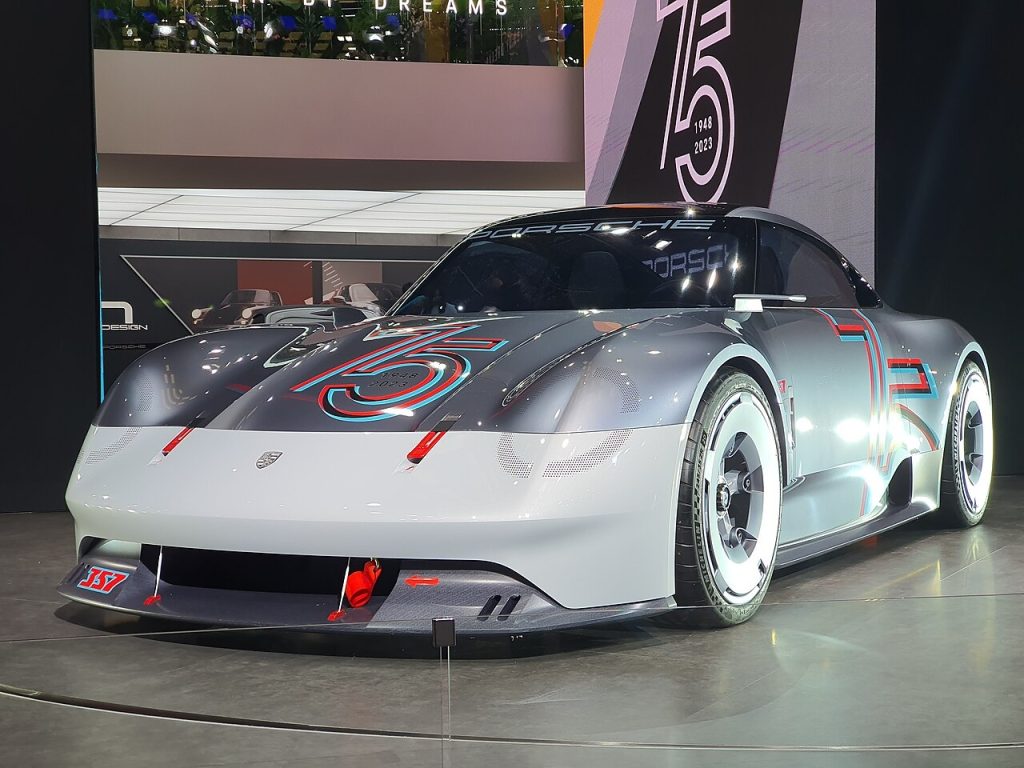
Porsche has used anniversary displays and reconstructed objects to explain its beginnings. Such objects can be valuable teaching tools without being the original chassis. A photograph must therefore identify what was actually displayed. Look for the source caption, collection location and any reconstruction wording before using an image as provenance evidence. A familiar silver roadster shape is insufficient on its own to authenticate a unique historic object.
Porsche: operating-permit anniversary reference
Reading the No. 1’s provenance
The identity anchors are the original prototype designation, the 1948 permit and its documented return to the manufacturer. A new replica does not become another original No. 1 simply because it closely follows the design. Keep mechanical restoration, body changes and exhibition appearances attached to their dates. This approach allows the car’s exceptional historical role to be described clearly without confusing a unique founding prototype with every later object built to illustrate it.
Specifications and identity reference
| Origin | Gmünd, Austria |
|---|---|
| Operating permit | 8 June 1948 |
| Identity | Original 356/1 prototype |
| Body | Open roadster; aluminium bodywork |
| Layout | Mid-engine; distinct from series 356 |
| Engine family | Volkswagen-derived air-cooled flat four |
| Documented return | Returned to Porsche in 1958 |
| Count boundary | Original identity; later reconstructions excluded |
Rarity and production scope
Verified original 356 No. 1 prototype identity. Later reconstructions and anniversary show objects are excluded from that identity. The archive record is not an addition to ordinary customer 356 production.
This is an Archive record. Concepts, restored heritage vehicles, works cars and competition programmes are not added to customer road-production totals. A programme profile does not establish how many physical chassis were made, and repeated exhibition appearances do not create additional vehicles.
What the photograph represents
Porsche 356 No. 1 Roadster photographed as a heritage exhibit. This reference concerns the original prototype’s preserved presentation; later purpose-built anniversary show cars are not counted as additional originals.
Related Porsche heritage profiles
Frequently asked questions
Is the No. 1 mechanically identical to a production 356?
No. The original roadster is mid-engined, while the subsequent series adopted a rear-engine layout.
Is every silver No. 1 show car the original?
No. A caption and provenance record must distinguish the original from later reconstructions.
What is the production-count boundary for this profile?
Verified original 356 No. 1 prototype identity. Later reconstructions and anniversary show objects are excluded from that identity. The archive record is not an addition to ordinary customer 356 production.
Sources and further reading
Research checked 17 October 2026. Linked factory, heritage and specialist-register records support the specifically attributed claims. Photographic descriptions identify the illustrated subject. Design analysis and suggested authentication steps are editorial interpretation.
Built in limited numbers
Verified original 356 No. 1 prototype identity. Later reconstructions and anniversary show objects are excluded from that identity. The archive record is not an addition to ordinary customer 356 production.
Gallery
Specifications
Factory specifications may vary by model year, market and configuration.
Identity & production
- Official model
- Porsche 356 No. 1 Roadster
Sources and verification
Source citations are being prepared for this profile.