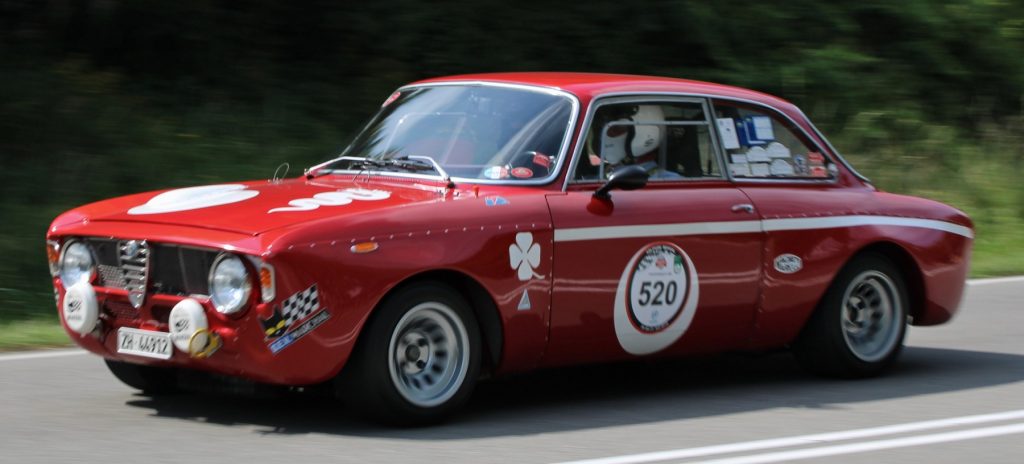
Alfa Romeo 1969
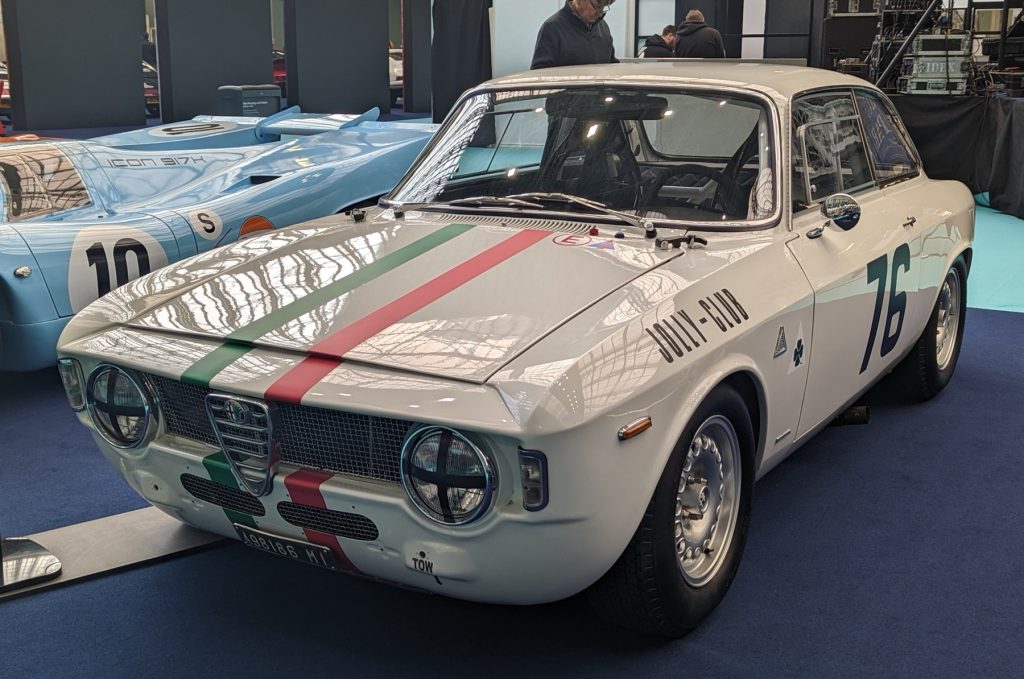
Alfa Romeo Giulia GTA 1300 Junior Corsa
The competition GTA 1300 Junior: a chassis-specific racing derivative within the smaller GTA series.

A MORE CONSIDERED COLLECTION
A road-going edition, a racing machine and an experimental prototype can tell very different stories. Follow the type that interests you, then use rarity and production context to narrow the collection.
THE COLLECTION
1,859 profiles
Alfa Romeo 1969
The competition GTA 1300 Junior: a chassis-specific racing derivative within the smaller GTA series.
Alfa Romeo 2020
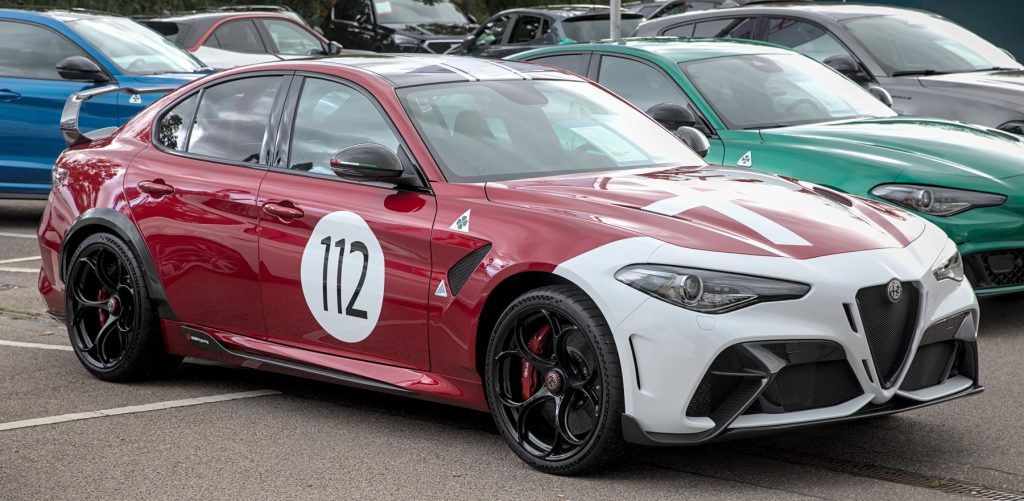
Centro Stile heritage liveries were offered within the existing Giulia GTA/GTAm programme, without a separate verified run.
Alfa Romeo 2020
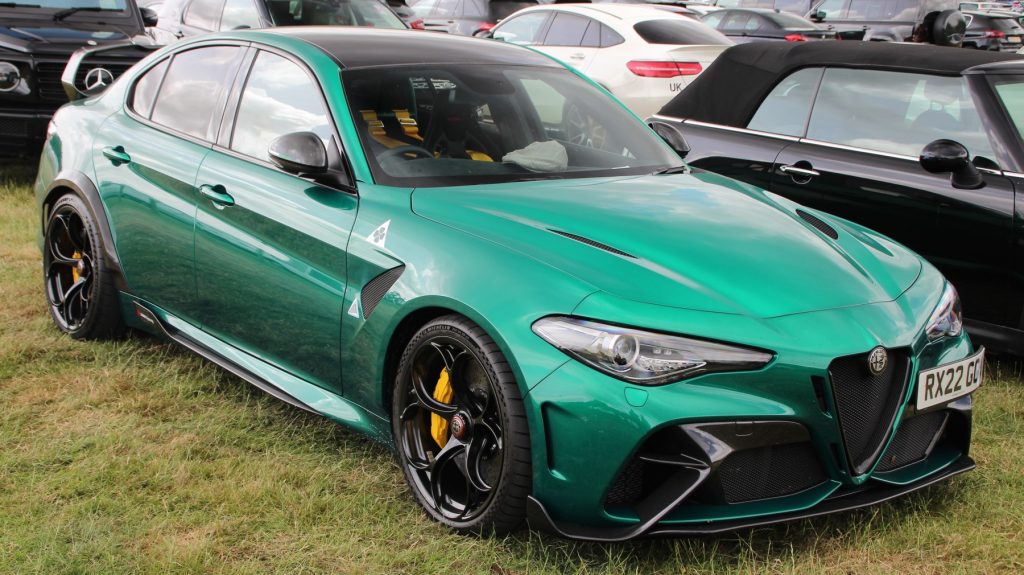
The two-seat Giulia GTAm is the more extreme member of the shared 500-car GTA/GTAm programme.
Alfa Romeo 2023
The Giulia Quadrifoglio centenary edition was limited to 100 cars, separate from the companion model’s 100-car series.
Alfa Romeo 2025
The Giulia Quadrifoglio Collezione belongs to a 63-car combined programme; its individual worldwide model total remains unconfirmed.
Alfa Romeo 2018
The 2018 Giulia Quadrifoglio NRING profile covers the numbered 108-car EMEA series.
Alfa Romeo 2024
The Giulia Quadrifoglio Super Sport was announced as a 275-car series, honouring Alfa Romeo’s first Mille Miglia victory.
Alfa Romeo 1965
The 1600 Giulia Sprint GTA: an aluminium-bodied homologation coupe and a foundation for Autodelta racing.
Alfa Romeo 2014
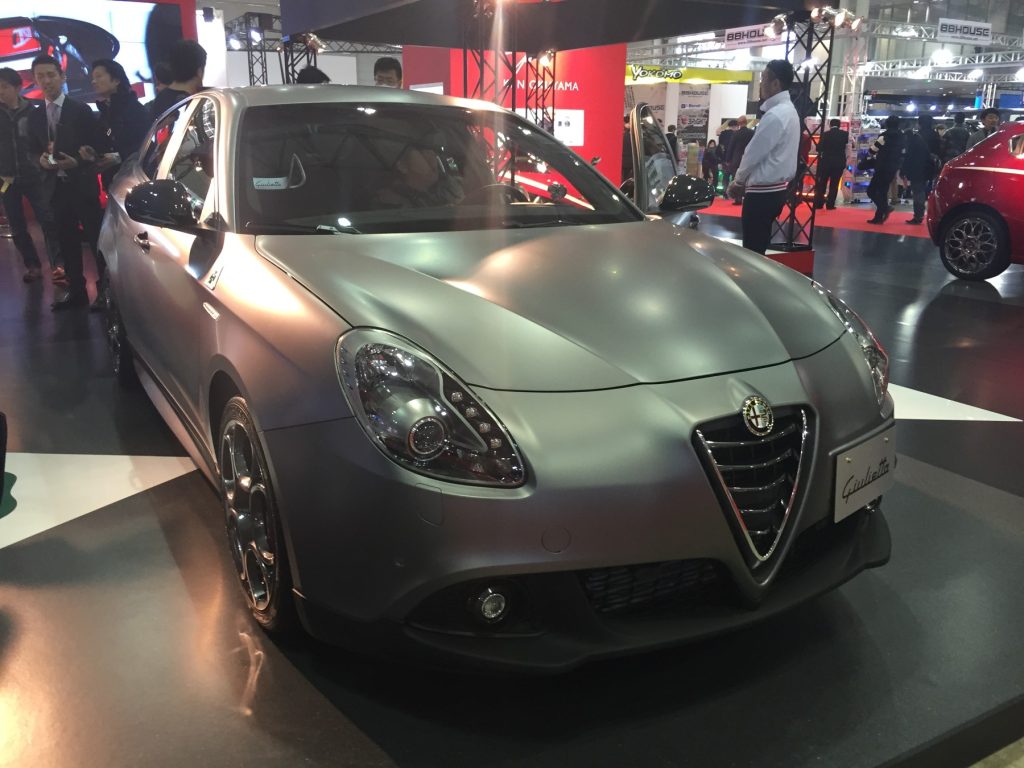
The 2014 Giulietta QV Launch Edition has a verified factory identity, but conflicting factory limits of 500 and 999.
Alfa Romeo 1954
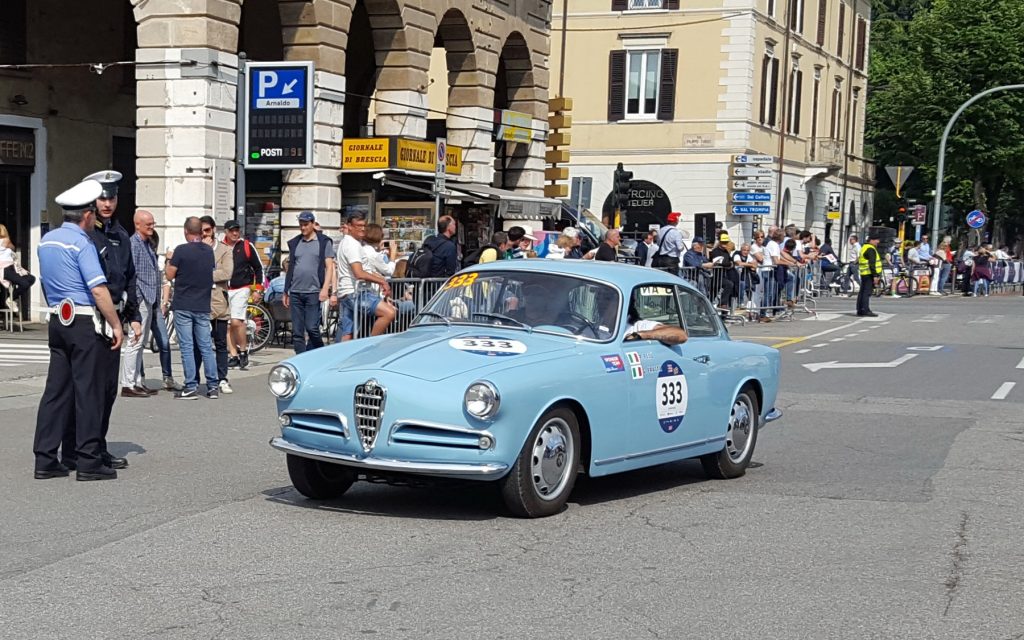
The original 750B Sprint: Bertone coupe styling at the beginning of the Giulietta story.
Alfa Romeo 1957
Franco Scaglione’s first Giulietta Sprint Speciale prototype, documented as chassis AR10120-00001.
Alfa Romeo 1956
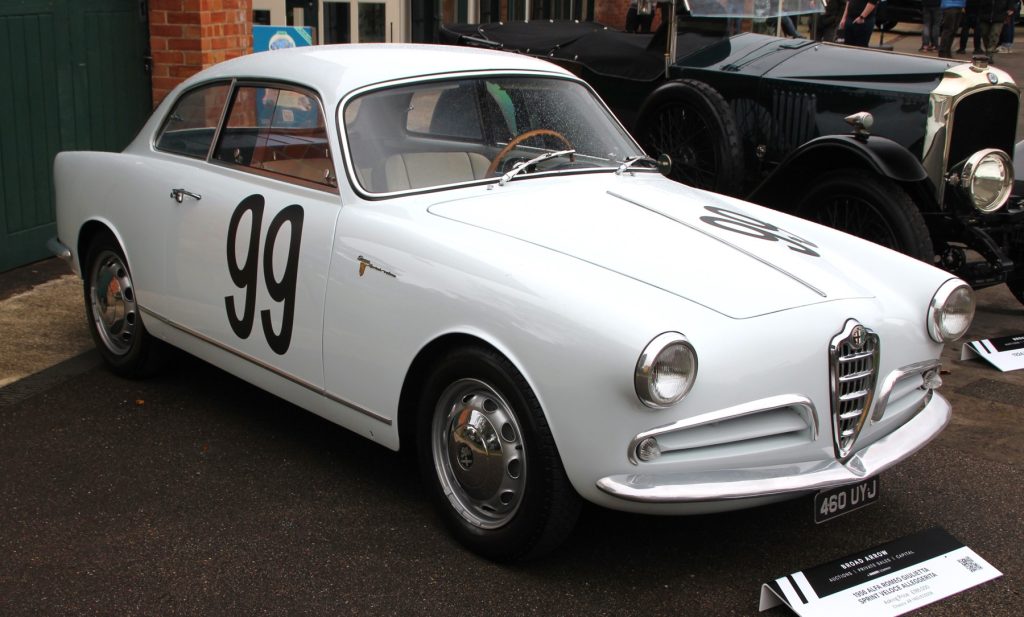
The lightweight 750E Sprint Veloce, where reduced mass mattered as much as engine tuning.
THE RARITY RIDES STANDARD
A limited offer is not automatically a completed-production total. A surviving vehicle is not a complete factory census. We keep those distinctions visible and link each collection back to the individual profile’s evidence.
Our editorial approach