1984 Porsche 962 and 962 C Programme
Explore the 962 and 962 C Programme: history, verified identity, specification references, rarity evidence and real credited photos.
The Porsche 962 developed the successful 956 architecture for new regulatory demands and became a defining customer-racing prototype. Its IMSA debut came at Daytona in 1984, followed by the related Group C 962 C phase. This profile keeps those configurations within one clearly dated programme while separating the preceding 956. Factory cars, customer-team developments and later road conversions are not merged into an invented completed-production total.
The IMSA beginning in 1984
The IMSA Hall of Fame places the 962’s debut and pole position at the 1984 Daytona event. That primary competition reference corrects the temptation to use the later 962 C European season as the start of the entire programme. The 1984 date belongs to the IMSA branch. Retaining both dates and configuration names makes the relationship between American and international racing specifications understandable without duplicating the model profile.
IMSA Hall of Fame: 962 debut, safety and customer-racing history
Related to the 956, with a different regulatory response
The governing-body history identifies the 962 as a direct development of the 956 with a changed driver position for safety. Porsche’s own turbo history discusses the different 956, 962 IMSA and 962 C forms together while preserving their names. Similar silhouettes and team colours can obscure those distinctions. A chassis-level record should establish the actual construction and specification rather than identify a car solely by its livery.
Why engine specifications need an event date
The programme operated under different rules and evolved over a long competition life. One engine capacity, turbo arrangement or headline output cannot safely describe every IMSA and Group C appearance. The useful archive practice is to identify the series and year before giving detailed figures. This profile therefore records the turbocharged six-cylinder family and keeps the exact event configuration to the individual technical source rather than inventing a universal specification.
IMSA Hall of Fame: 962 debut, safety and customer-racing history
Customer racing and a long competitive life
IMSA’s account describes the importance of customer teams and the 962’s repeated American successes. Porsche’s retrospective places the international cars in the wider endurance story. These are programme achievements with distinct team and event boundaries. A privately raced car does not automatically share the complete works results, and a later historic-racing appearance should be recorded as another stage of that particular chassis’s history rather than another period victory.
Porsche: 956, 962 IMSA and 962 C technical-historical context
Construction origin and later conversions
Some customer teams developed their own chassis and body solutions, and road-going interpretations require separate builder identities. A broad 962 count can therefore conceal incompatible construction boundaries. For a particular car, retain manufacturer or team chassis evidence, engine history, major rebuilds and custody. Road conversion or registration does not silently turn a competition programme profile into a factory road-production series. The earlier 956 remains separately profiled and is not counted again here.
Specifications and identity reference
| Programme debut | 1984; IMSA Daytona |
|---|---|
| International development | 962 C for Group C |
| Architecture | Related development of 956 |
| Engine family | Turbocharged six-cylinder; specification varies |
| Configuration rule | Identify series, year and chassis |
| Construction scope | Works and customer history; origin retained |
| Excluded total | No merged factory/team/road-conversion census |
| Separate predecessor | 956 |
Rarity and production scope
Verified 962 programme, including clearly distinguished IMSA and 962 C phases. The 1984 IMSA start is retained rather than treating the later Group C phase as the whole origin. Factory chassis, team constructions and road conversions are not combined into one total.
This is an Archive record. Concepts, restored heritage vehicles, works cars and competition programmes are not added to customer road-production totals. A programme profile does not establish how many physical chassis were made, and repeated exhibition appearances do not create additional vehicles.
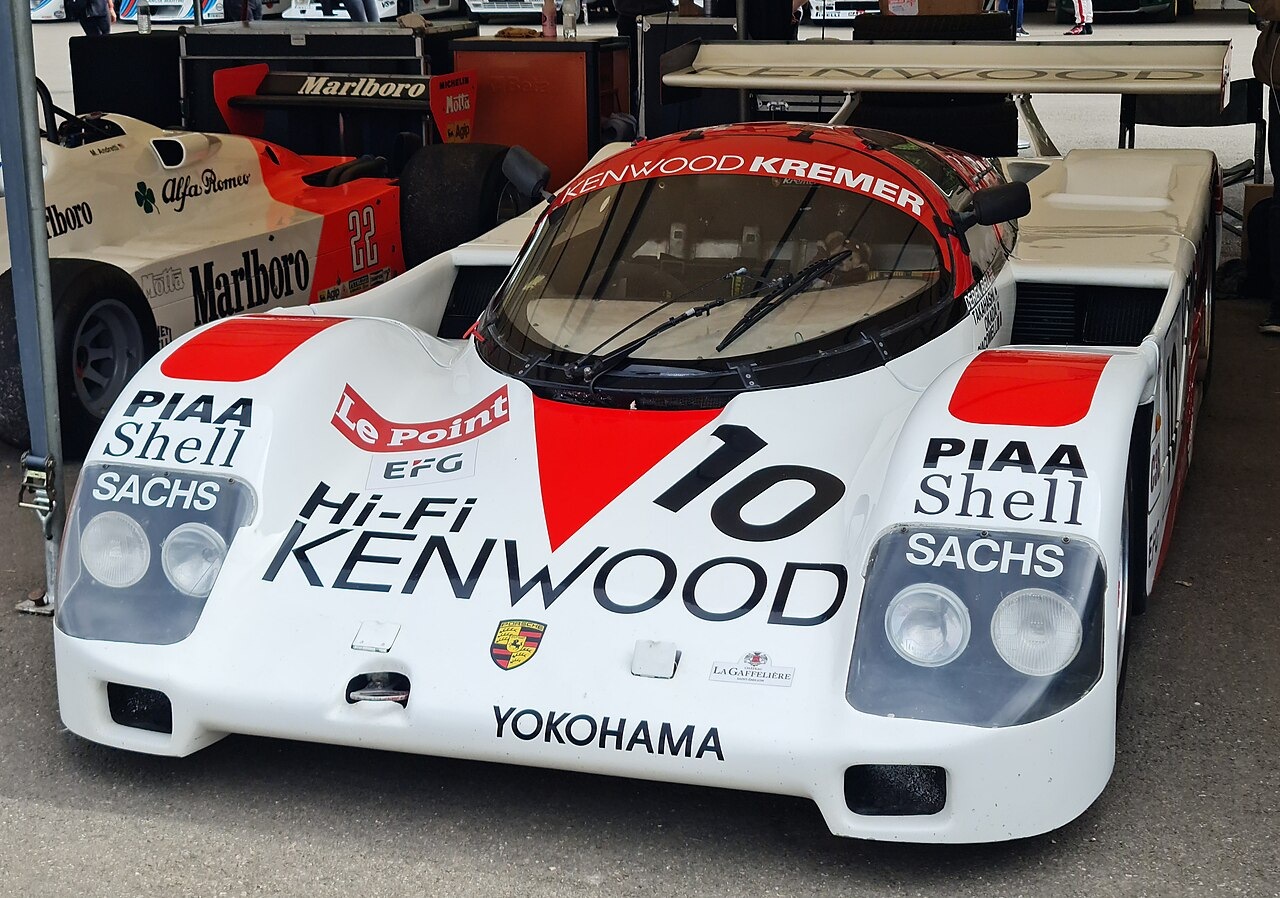
What the photograph represents
Porsche 962 identified as a 1988 car, photographed at the Festival of Speed in 2021. Later programme illustration, not the original 1984 IMSA debut configuration.
Related Porsche heritage profiles
Frequently asked questions
Did the programme begin only in 1985?
No. The IMSA 962 debuted at Daytona in 1984; the Group C phase followed.
Is every road-going 962 a Porsche factory road model?
No. Builder and conversion history must be established separately.
What is the production-count boundary for this profile?
Verified 962 programme, including clearly distinguished IMSA and 962 C phases. The 1984 IMSA start is retained rather than treating the later Group C phase as the whole origin. Factory chassis, team constructions and road conversions are not combined into one total.
Sources and further reading
- IMSA Hall of Fame: 962 debut, safety and customer-racing history
- Porsche: 956, 962 IMSA and 962 C technical-historical context
Research checked 17 October 2026. Linked factory, heritage and specialist-register records support the specifically attributed claims. Photographic descriptions identify the illustrated subject. Design analysis and suggested authentication steps are editorial interpretation.
Built in limited numbers
Verified 962 programme, including clearly distinguished IMSA and 962 C phases. The 1984 IMSA start is retained rather than treating the later Group C phase as the whole origin. Factory chassis, team constructions and road conversions are not combined into one total.
Gallery
Specifications
Factory specifications may vary by model year, market and configuration.
Identity & production
- Official model
- Porsche 962 and 962 C Programme
Sources and verification
Source citations are being prepared for this profile.