1975 Porsche 930 Turbo 3.0
Explore the 930 Turbo 3.0: history, verified identity, specification references, rarity evidence and real credited photos.
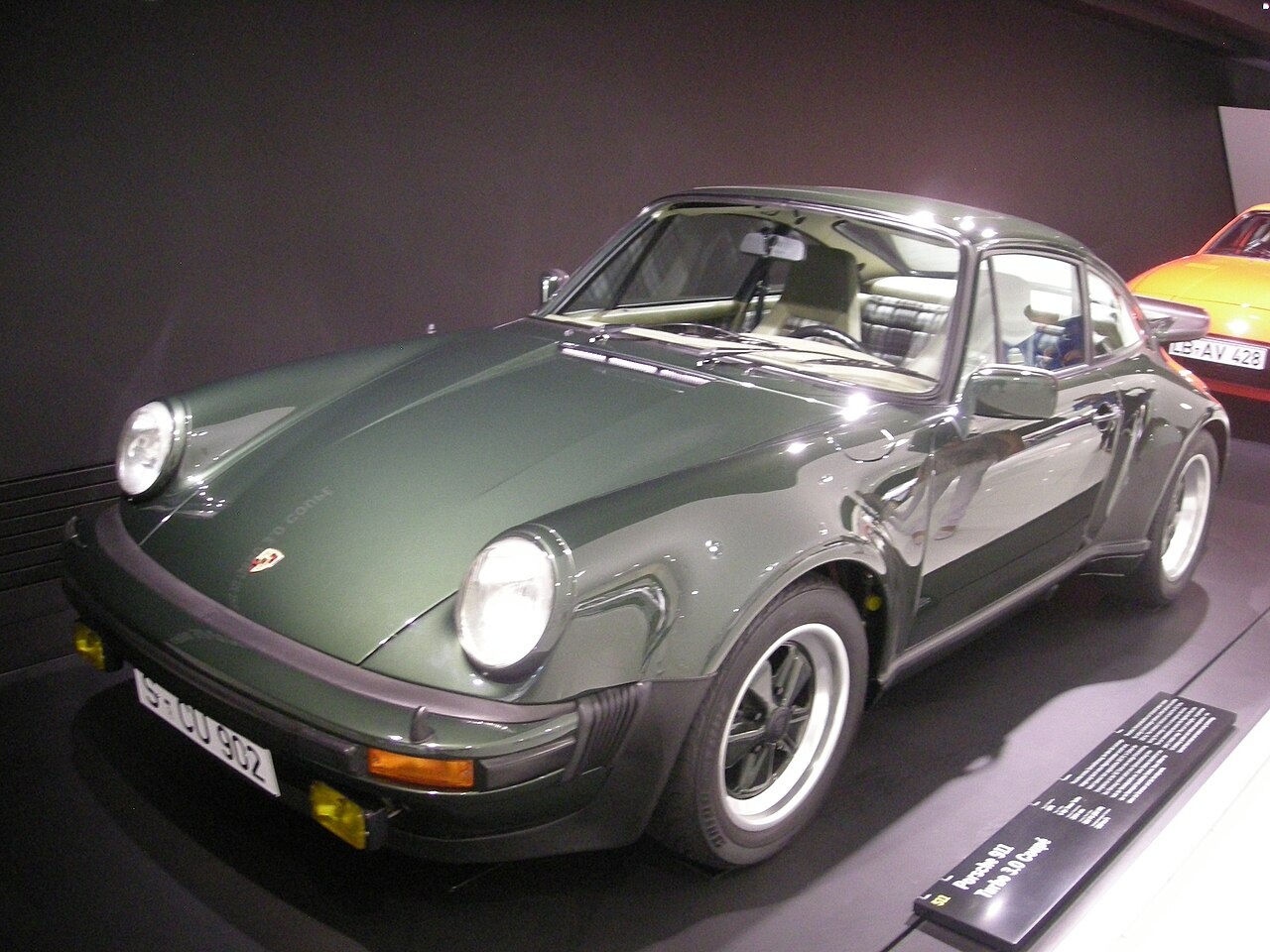
The first production Porsche 911 Turbo brought a 3.0-litre turbocharged flat six, wide rear body and prominent spoiler to the road in 1975. This profile is limited to the original 3.0-litre 930 programme, before the later 3.3-litre development. Its rarity reference comes from the dedicated 3.0-litre registry, which reports 2,819 cars for the 1975–1977 scope. That specialist figure remains attributed rather than presented as a new factory production audit.
The first road Turbo and its distinct scope
Porsche’s Turbo S history places the first customer deliveries in spring 1975. The original 3.0-litre version is a defined technical programme, not the whole fifteen-year history of the 930. This matters to the project’s rarity boundary. A total for every later 3.3-litre Turbo would describe a different group, while an arbitrary single-year count would hide the original model’s full production context. The 3.0-litre scope is retained consistently here.
Porsche: first Turbo delivery and historical context
Turbocharging as a road-car proposition
The factory account emphasises the significance of making turbocharged performance usable in a road sports car. The rear engine and wide body connected the new technology with the familiar 911 format. That combination is more informative than treating the Turbo as a visual package. For a surviving car, engine identity and original build data are essential because later replacement engines or upgrades may alter the mechanical description while leaving the exterior broadly familiar.
What the dedicated registry reports
The 930 Turbo Carrera 3.0-litre Registry gives 2,819 for the original 3.0-litre cars and distinguishes the US allocation within that group. This is specialist registry evidence, not a newly obtained Porsche manufacturing ledger. The article keeps that attribution beside the number and leaves independently verified completed-total fields blank. A register’s original-build scope should also remain separate from changing entries, known survivors and the present location of registered cars.
Porsche: first Turbo delivery and historical context
Recognising the early car without relying on appearance
Spoiler form, cabin details and period equipment can help place a photograph, but restored and modified cars need a more careful description. A wide-bodied 911 is not automatically a factory 930, and an early registration date does not establish that every major component is original. Compare the chassis, original delivery specification and engine record. Treat visual clues as supporting evidence rather than a complete authentication method.
Dedicated 930 Turbo Carrera 3.0-litre Registry
Keeping later Turbo developments separate
The subsequent 3.3-litre car introduced a different technical phase and a much longer production story. This profile does not borrow its intercooled specification or add its cars to the early registry reference. When a vehicle has been upgraded, record both its original identity and present configuration. That approach respects the historical boundary while allowing a clear description of genuine period cars that have evolved through service, ownership and restoration.
Specifications and identity reference
| Customer introduction | 1975 |
|---|---|
| Selected scope | Original 3.0-litre 930; 1975–1977 |
| Engine | 3.0-litre turbocharged flat six |
| Layout | Rear engine; rear-wheel drive |
| Body | Wide-body 911 Turbo coupé |
| Reported historical group | 2,819, dedicated 3.0-litre registry |
| Count attribution | Specialist registry; not fresh factory audit |
| Excluded later phase | 3.3-litre 930 production |
Rarity and production scope
Verified original 3.0-litre 930 identity. The dedicated registry reports 2,819 within its 1975–1977 scope; this is explicitly specialist evidence, not a newly obtained manufacturer audit or surviving-car count. Later 3.3-litre cars are excluded.
What the photograph represents
Porsche 911 Turbo 3.0 identified as a 1976 car, photographed at the Porsche Museum in 2012. Programme illustration; the photograph is not an inspection of its current engine, original delivery market or component history.
Related Porsche heritage profiles
Frequently asked questions
Does this profile cover every 930 Turbo?
No. It is bounded to the original 3.0-litre programme before the 3.3-litre development.
Is 2,819 a newly verified factory audit?
No. It is the dedicated specialist registry’s attributed historical figure.
What is the production-count boundary for this profile?
Verified original 3.0-litre 930 identity. The dedicated registry reports 2,819 within its 1975–1977 scope; this is explicitly specialist evidence, not a newly obtained manufacturer audit or surviving-car count. Later 3.3-litre cars are excluded.
Sources and further reading
Research checked 17 October 2026. Linked factory, heritage and specialist-register records support the specifically attributed claims. Photographic descriptions identify the illustrated subject. Design analysis and suggested authentication steps are editorial interpretation.
Built in limited numbers
Verified original 3.0-litre 930 identity. The dedicated registry reports 2,819 within its 1975–1977 scope; this is explicitly specialist evidence, not a newly obtained manufacturer audit or surviving-car count. Later 3.3-litre cars are excluded.
Gallery
Specifications
Factory specifications may vary by model year, market and configuration.
Identity & production
- Official model
- Porsche 930 Turbo 3.0
Sources and verification
Source citations are being prepared for this profile.