2018 Genesis Essentia Concept
Explore Genesis Essentia: the 2018 electric GT concept, carbon-fibre design proposal, verified archive history and credited show photography.
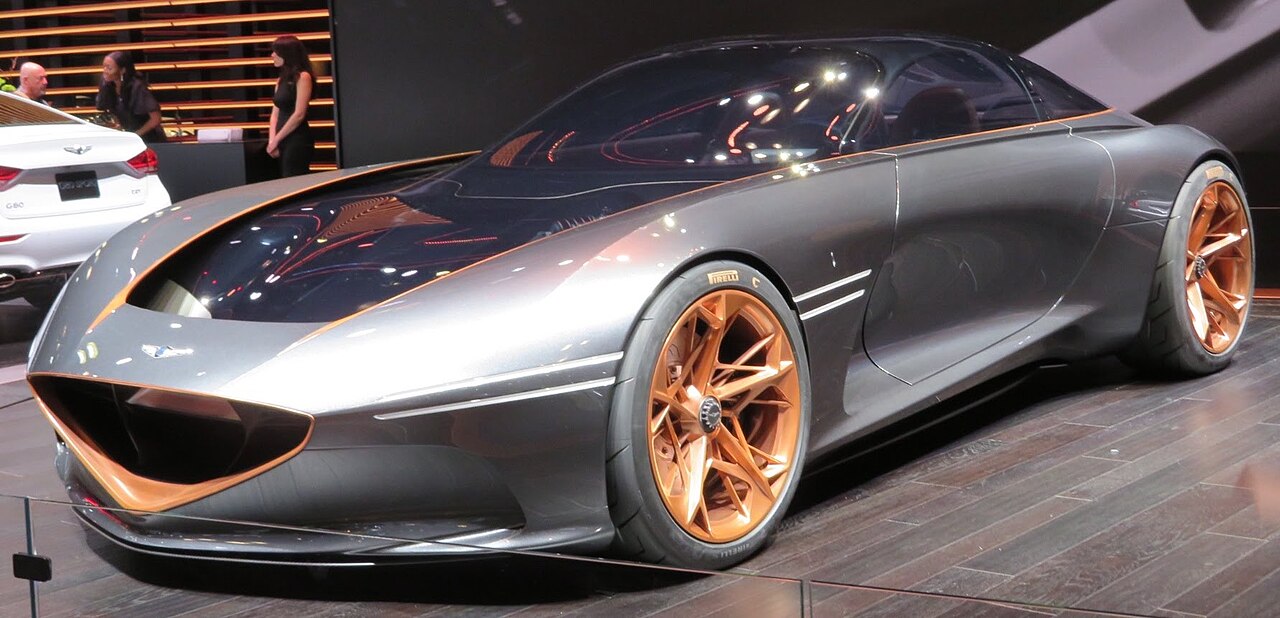
Genesis revealed Essentia at the 2018 New York International Auto Show as an electric grand touring concept.
History and purpose
Genesis revealed Essentia at the 2018 New York International Auto Show as an electric grand touring concept. The original manufacturer record defines the programme’s purpose and its all-electric proposal. Its significance lies in a low, expressive two-door body that brings the brand’s luxury ambitions into a performance-oriented setting. This profile covers the physical concept, documented in a real show photograph. It does not claim a retail production series or a completed fabrication total. Announced engineering features help explain the design, while performance targets remain proposals rather than independently measured results for this display vehicle.
Design and engineering
The photograph shows Essentia’s low nose, expansive transparent upper surfaces and compact rearward cabin. Its metallic finish allows the contrast between smooth body volumes and exposed technical areas to remain legible. The car looks much closer to a dedicated grand tourer than to a shortened luxury sedan. Genesis described a carbon-fibre monocoque and a multi-motor electric powertrain in the concept announcement. Those features provide context for the body’s low profile, but the image cannot reveal the installed battery or verify motor performance. The visual analysis therefore stays with the photographed proportions and the clearly visible treatment of the show car.
Identifying the original configuration
Essentia should retain its own name and introduction year, even when it appears in later exhibitions alongside other Genesis concepts. Its grey finish must also be distinguished from G90 Stardust: a shared word in colour descriptions does not make an unrelated sedan edition part of the same programme. An individual archive should identify the physical object before attaching operating specifications or construction claims. Record any demonstrated door movement, running appearance or interior revision with its date and source. The documentary photograph confirms the recognizable show concept; it does not establish a unique chassis number or unseen component originality.
Collector context and preservation
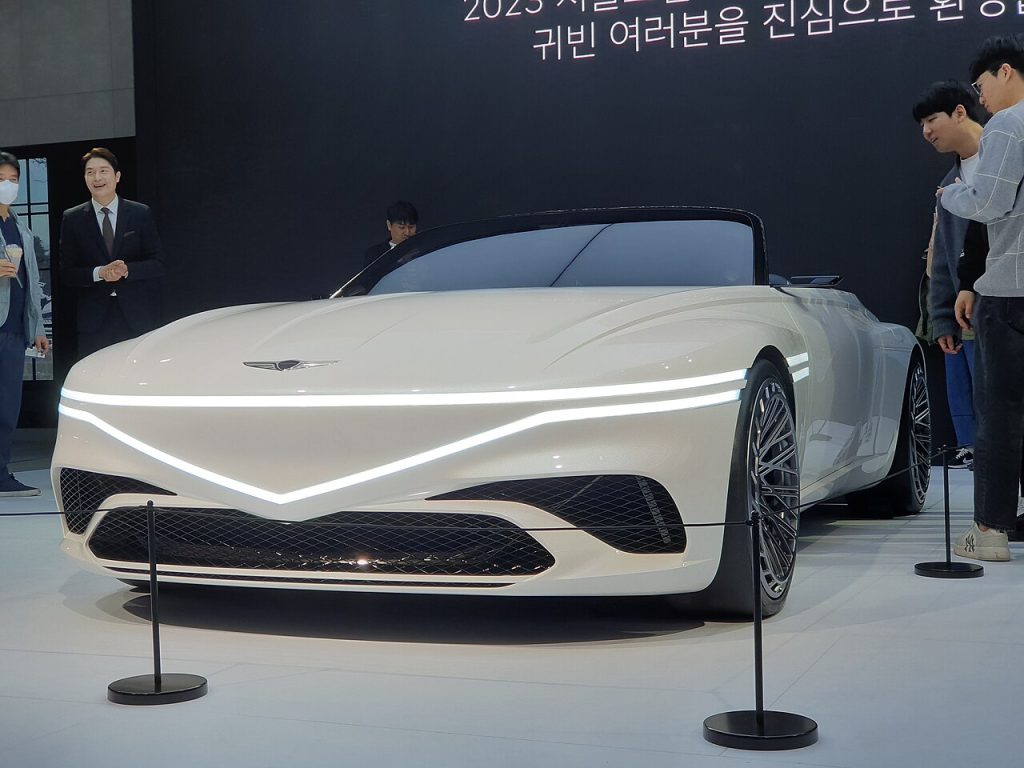
For collectors of automotive design history, Essentia offers a clear way to discuss the relationship between electrical architecture and familiar grand touring proportions. A long front body can remain a powerful styling choice even when the announced drivetrain is electric. That observation helps readers understand the designer’s composition without pretending that every panel is dictated by a conventional engine layout. Preserve whole-car views before studying transparent panels, lighting and interior trim in detail. Comparisons with the later X Concept can then focus on the different ways Genesis expressed a luxury coupe, with each concept’s physical and historical identity kept intact.
Reading the evidence for this profile
The original source links below identify the programme and the historical statements used in this article. The photograph has its own creator and licence record, separate from the manufacturer’s vehicle history. Keep both when transferring this profile into a collection catalogue. A manufacturing tally describes how many cars belong to a defined original programme; it does not measure how many survive, how many are publicly visible, or how many retain all their original components. Those individual questions require dated chassis and restoration evidence. The reference year likewise describes the programme’s introduction or named historic configuration, while the supplied caption states the photographed setting and any established individual identity. This lets future research expand the car’s history without blurring the scope of the record already assembled here.
Specifications and verified rarity
| Reference year | 2018 |
|---|---|
| Model / programme | Essentia Concept |
| Body / role | Two-door electric grand touring concept |
| Documented engine | Multi-motor battery-electric powertrain proposal; output not asserted |
| Architecture / transmission | Announced carbon-fibre monocoque; retail transmission specification not published here |
| Exact manufacturing tally | Not established |
| Eligibility bound | Physical concept archive scope; tally unknown |
| Rarity scope | Physical 2018 Essentia concept archive; complete fabrication tally unknown. Announced engineering and performance targets are not measured results for the photographed display. |
| Inventory reference | GNS-020 — Verified |
Frequently asked questions
What is the Genesis Essentia Concept?
A physical 2018 Genesis electric grand touring concept with an announced carbon-fibre structure and multi-motor powertrain proposal, not a certified retail model.
What engineering defines this Genesis?
Multi-motor battery-electric powertrain proposal; output not asserted. Announced carbon-fibre monocoque; retail transmission specification not published here. These are the documented programme or preserved-concept specifications. Connect an individual vehicle’s installed components to its own dated records before assigning a factory configuration to that particular example.
Why is 2018 the reference year?
It identifies the introduction or original historical configuration described in this article. The photograph can show a later example or a later display of the original subject. The source inventory’s original heading remains an identity alias wherever the date or model name has been corrected.
How should an individual Essentia Concept be documented?
Start with the chassis identity and connect it to dated construction, registration or custodial records. Keep exterior, interior, engine and underbody photographs together. Record changes to finish, equipment and mechanical specification as separate events, so the physical car’s history can grow without changing the definition of the original programme.
What rarity or archive scope is verified?
Physical 2018 Essentia concept archive; complete fabrication tally unknown. Announced engineering and performance targets are not measured results for the photographed display.
Who took the supplied photograph?
Kevauto via Wikimedia Commons, under CC BY-SA 4.0. The original file and licence links accompany the image. Retain that credit when the photograph is uploaded, exported or reused.
Related Genesis profiles
Sources and photo credits
Photograph: Kevauto via Wikimedia Commons original file, CC BY-SA 4.0. Source-provided photograph supplied without local cropping, retouching or text removal. A source thumbnail is used where available. Genesis Essentia Concept photographed at the 2018 New York International Auto Show; no measured performance or individual chassis identity assigned.
Built in limited numbers
Physical 2018 Essentia concept archive; complete fabrication tally unknown. Announced engineering and performance targets are not measured results for the photographed display.
Gallery
Specifications
Factory specifications may vary by model year, market and configuration.
Identity & production
- Official model
- Essentia Concept