1990 Chevrolet Corvette CERV III
1990 Chevrolet Corvette CERV III: verified history, production scope, design, specifications and collector details, with an authentic photo and full credit.
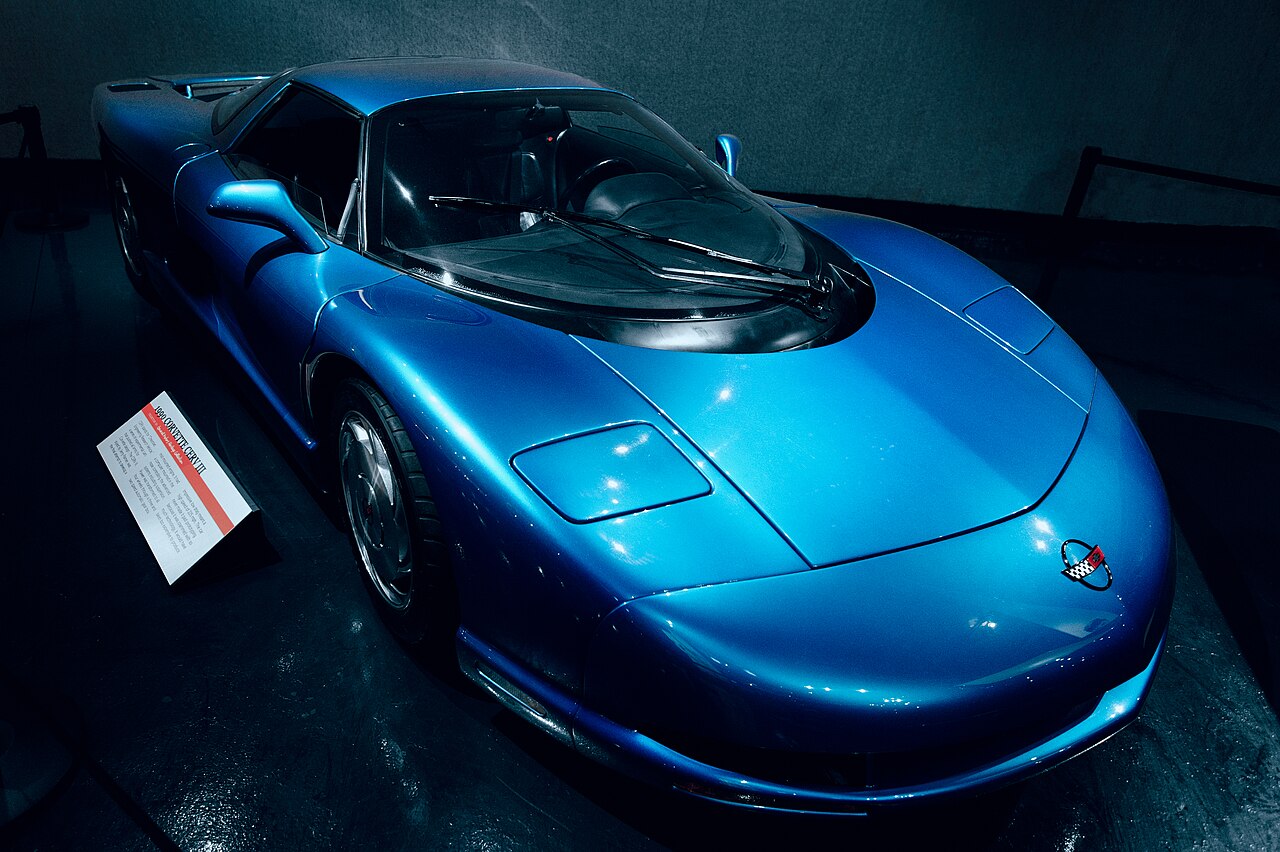
The 1990 Chevrolet Corvette CERV III brings a later engineering-research chapter into the concept archive. Its blue body, concentrated cabin and experimental drivetrain context make it a different subject from the red Corvette Indy concept.
History and model identity
GM’s 2025 account by Mark Reuss describes the CERV III development context, including a mid-engine 5.7-litre V8, all-wheel drive and a stated 650-horsepower figure. Those are manufacturer-reported experimental specifications. They should not be presented as a new independent test of the preserved museum vehicle.
The eligibility scope is one documented physical research project in the archive. It does not certify a worldwide prototype manufacturing total. Keeping that distinction allows the engineering story to be told clearly without transforming a project record into an unsupported retail production claim.
Design, photographs and collector context
The supplied museum photograph shows the blue CERV III. Its compact enclosed passenger area sits over smooth surrounding body surfaces, while the front lamp covers and low nose give it a restrained visual face. The blue colour also helps distinguish the documentary image from the red Indy concept in this same batch.
The CERV III is useful in a collection because it lets design and engineering be discussed together. The manufacturer account supplies the historical mechanical claims; the photograph supplies a physical body to examine. Compare the cabin position and front treatment with the earlier Aerovette, then retain the separate development histories. A shared mid-engine research theme is a reason for related links, not a reason to merge the cars.
Reading the design in context
The blue museum view makes the CERV III’s experimental body accessible before the technical account is read. The cabin sits within a smoothly connected shape, and the front lamp covers give the nose a restrained face. A side view would add information about the relationship of cabin, wheel positions and rear body, but the supplied front view already establishes a distinct physical subject. For a gallery shared with the red Indy concept, retain both project names in every caption. Colour helps the reader orient themselves, while the name and reference year provide the actual identity. The engineering account can then explain what GM proposed and built around that body without turning the photograph into a performance test. This is a useful way to present research cars to a mixed audience: begin with a shape people can see, connect it to the manufacturer’s dated account and keep the experimental status attached to numerical specifications. The result invites closer study while preserving the difference between visual observation and technical evidence.
Specifications and rarity
| Reference year / history | 1990 |
|---|---|
| Model / project | Corvette CERV III |
| Engineering context | Experimental mid-engine 5.7-litre V8; all-wheel drive; 650 hp manufacturer account |
| Design and collector theme | A physical engineering research vehicle |
| Production / archive scope | One documented original physical concept project. Exact worldwide prototype manufacturing total is not established and is left unset. |
| Exact scoped manufacturing tally | Unset; see scope description |
| Inventory reference | CHV-180 — Verified |
Building the individual collector record
Keep the CERV III name, reference year and dated manufacturer specifications together. Record display and conservation photographs separately from engineering-development accounts. A technical rating should retain its original source and experimental status when copied into a specification table.
Documentary photograph
Blue Corvette CERV III in a later museum display; documentary physical-project view, distinguished from the red Corvette Indy concept.
Frequently asked questions
What engine and drive layout are supported?
GM’s first-person historical account describes a mid-engine 5.7-litre V8 and all-wheel drive. The 650-horsepower figure is attributed to that manufacturer experimental account.
Was the bundled photo used to establish horsepower?
No. The photograph identifies the physical body. Technical claims come from the manufacturer history, not from judging an exterior picture.
Is CERV III the red Corvette Indy concept?
No. The supplied CERV III image shows the blue research vehicle. The red Indy concept retains its own project identity and profile.
Why link this with Aerovette?
Both make mid-engine research visible in a chronological archive. Related reading helps compare their bodies and project contexts while keeping their identities distinct.
What production or archive scope applies to this Corvette CERV III?
One documented original physical concept project. Exact worldwide prototype manufacturing total is not established and is left unset.
Who took the photograph, and what credit must remain?
The supplied photograph is credited to Eric Kilby from Somerville, MA, USA via Wikimedia Commons under CC BY-SA 2.0. Its original file page and individual licence are linked in the photo credit. Keep the photographer name, source and licence visible when using the image; this version has no local retouching or cropping.
Sources and photo provenance
- Manufacturer reference
- Photo: Eric Kilby from Somerville, MA, USA — Corvette CERV Concept (9200684970).jpg
Related Chevrolet profiles
Continue the chronology with 1990 Chevrolet Corvette ZR-1 and 1988 Chevrolet Corvette 35th Anniversary Edition. Compare each page’s named production or project scope alongside its own documentary photograph.
Built in limited numbers
One documented original physical concept project. Exact worldwide prototype manufacturing total is not established and is left unset.
Gallery
Specifications
Factory specifications may vary by model year, market and configuration.
Identity & production
- Official model
- Corvette CERV III